
Right now, all eyes are on Bungie, the company that makes both games. People will be watching to see how they keep the many returning Destiny 2 players happy, even after the big story ends. Will these players stick around for smaller updates, or will they leave again now that the main adventure is over? For Marathon, the path ahead looks tougher. Bungie will need to show players why they should care about this new game. This might mean big changes to Marathon, or new content coming out faster to get people interested. The company has a big job to do, making sure both games have a future, even if one is ending its main story and the other is just beginning.
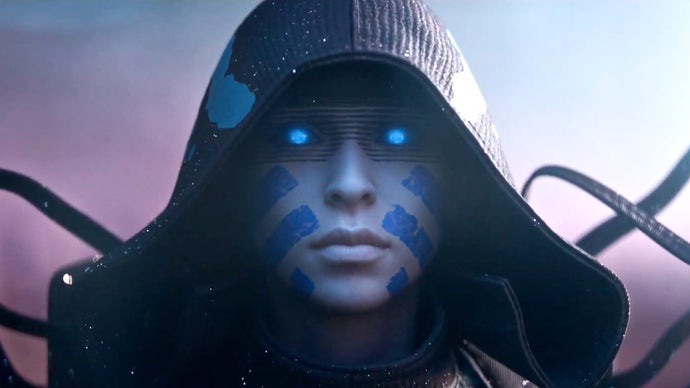
Image: courtesy of EuroGamer
Destiny 2's Farewell Draws Record Players, Leaving Bungie's New Game Marathon Behind
Yesterday, a big moment happened in video games. Destiny 2, a game many people have played for ten years, got its very last big story update. This update, called 'The Final Shape,' brought more players back to the game than it has seen in almost two years. It was a huge party for fans saying goodbye to a long story. But at the very same time, another game from the same company, Bungie, saw its players almost disappear. That new game, called Marathon, had its lowest player numbers ever. This shows a real challenge for Bungie: how to say goodbye to an old friend while trying to make a new one popular.
Outlook
Background
To understand what happened yesterday, we need to look at both games. Destiny 2 has been around for a very long time. It's what we call a 'live service game,' meaning it keeps getting new stories, new missions, and new things to do over many years. For ten years, players have followed a huge story, fought aliens, and made friends. 'The Final Shape' is the end of that main story, a big farewell to a long journey. This kind of ending is a rare thing in games that go on and on. It gives players a reason to come back, to see how it all finishes. Many players who left the game years ago came back just for this final chapter.
Marathon, on the other hand, is very new. It's also a game where players shoot things, but it's different from Destiny 2. It's a game where players drop into a fight, try to get special items, and then try to escape. It's a very different type of game, and it doesn't have a long history like Destiny 2. Bungie announced Marathon not too long ago, trying to make a new big game for the future. But making a new game popular in today's world, where there are so many games to choose from, is very hard. It needs a clear idea, lots of fun things to do, and a way to make players feel like they want to play it again and again.
See also
Precedents
This isn't the first time we've seen something like this in the world of video games. When a very old, much-loved game gets a big, final update or a huge new part of its story, players often come rushing back. Think of it like a favorite TV show ending its last season; everyone wants to tune in for the finale. Games like World of Warcraft or Final Fantasy XIV have seen huge player increases when they release major story expansions that tie up long-running plots. It's the power of nostalgia and the desire for closure. People want to be there for the big finish.
On the flip side, new games, even from famous companies, often struggle at the start. It's very rare for a brand-new game to instantly become a huge hit. Many games need time to grow, to get new features, and for the company to listen to what players like and don't like. Sometimes, a new game might even struggle because the old game is still so popular. Players have limited time and money, and they often choose to stick with what they know and love, especially when it's offering a big, emotional ending. This pattern shows that player loyalty is very strong, and it's hard to pull people away from a game they've invested years into.
The situation with Destiny 2 and Marathon is more than just numbers on a screen; it's a big test for Bungie and, by extension, for Sony, which now owns Bungie. For Bungie, it shows the challenge of moving from a game that has defined them for a decade to something new. Can they successfully create another big hit, or will they stay known mostly for Destiny? It also highlights a key lesson for all game makers: the power of a good story, especially one that comes to a clear ending, can bring players back in droves. This is a big deal for live service games, which often try to go on forever without a real conclusion.
For the wider gaming world, this situation tells us about what players truly want. They want engaging stories, clear goals, and a sense of belonging. The struggle of Marathon reminds everyone how tough it is to launch a new game, even with a famous name behind it. It puts pressure on Bungie to learn from Destiny 2's success and Marathon's early stumbles. The decisions they make next for both games will be watched closely by other companies trying to keep old players happy while also finding new ones.
Scenarios
AnalysisLooking ahead, there are a few ways this story could play out for Bungie and its games.
One path sees Destiny 2 keeping many of its players. The goodwill from 'The Final Shape' might be strong enough that players stick around for upcoming smaller seasonal content, even if the main story is done. This could mean Bungie continues to pour resources into Destiny 2, treating it less like a game nearing its end and more like a long-running cultural touchstone that still demands attention.
Another outcome is that Marathon finds its footing, but it will take time. Bungie might make big changes to the game, adding new ways to play, fixing things players don't like, and giving it a clearer identity. This could involve a major relaunch or a huge content update that brings players back gradually, showing that the company is listening and learning. It would be a slow burn, not an instant hit.
A less hopeful scenario could see Marathon continue to struggle. If player numbers don't improve, Bungie might have to make tough choices about how much money and effort to put into the game. This could lead to fewer updates, a smaller team, or even a quiet winding down of the project, as the company shifts its focus back to its more successful titles or new ideas. It wouldn't be the first time a promising new game didn't quite make it.
Finally, Bungie might choose to lean heavily into Destiny's legacy. The success of 'The Final Shape' could show them that their strength lies in expanding the Destiny universe, perhaps with spin-off games, new story modes, or even a full Destiny 3 in the distant future, rather than pushing a completely new game like Marathon.
Timeline
2014-09-09
Destiny 1 Launched
Bungie released the first Destiny game, starting a new universe for players to explore.
2017-09-06
Destiny 2 Launched
The sequel, Destiny 2, was released, building on the first game's story and gameplay.
2023-05-24
Marathon Revealed
Bungie showed off its new game, Marathon, a new sci-fi shooter, signaling a new direction for the company.
2026-06-11
Destiny 2: The Final Shape Released
The last major story expansion for Destiny 2 launched, bringing a huge surge of players back to the game.
Frequently Asked Questions
It is the last big story update for the game Destiny 2. It finishes a ten-year-long story that players have been following, bringing many old players back to see how it all ends.
Discussion
Be the first to share your thoughts.