
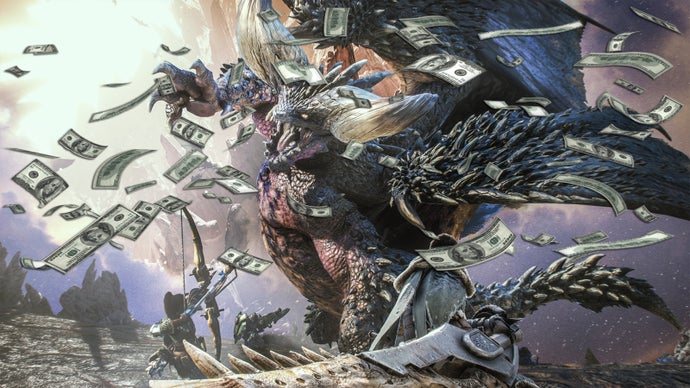
Image: courtesy of EuroGamer
Capcom's Monster Hunter: World Hits 30 Million Sales, Redefining Global Action-RPGs
On June 8, 2026, Japanese game maker Capcom announced a historic achievement. Its hit game, Monster Hunter: World, has now sold over 30 million copies across the globe. This milestone secures its place as the most successful single game Capcom has ever made in its 40-year history. Originally released in 2018, the game has spent eight years steadily finding new players. This achievement highlights a remarkable journey for a series that was once considered too difficult and strange for players outside of Japan. By rebuilding the game for modern consoles and computers, Capcom transformed a niche Japanese favorite into a massive global phenomenon. The milestone comes at a critical time as Capcom prepares its next steps for the franchise, proving that high-quality, deep games have incredible long-term selling power.
What to Expect
With 30 million copies sold, Capcom has a massive family of players to look after. We can expect the company to keep supporting Monster Hunter: World for a long time. Even though the game is older, Capcom will keep the online matchmaking servers running smoothly so friends can continue to hunt together. They will also keep offering big discounts on digital game stores like Steam and PlayStation. This makes it easy and cheap for new players to try the game for the first time.
We can also expect Capcom to use this success to help their newer games. They will likely give special in-game items or rewards to players who played World when they start newer games in the series, like Monster Hunter Wilds. This keeps the community connected. Capcom will also continue to release their games on computers and consoles at the exact same time all over the world. They have learned that computer players are a massive part of their success, and they will not make them wait anymore.
Finally, we will see Capcom protect this brand very carefully. They know that Monster Hunter is now their biggest treasure. They will make sure that any future movies, toys, or new games live up to the high quality that players expect.
Key Context
To understand why 30 million sales is such a big deal, we have to look back at how Monster Hunter started. For a long time, these games were only popular on small handheld screens in Japan. People in Japan loved to play them together on trains or in parks. But in places like America and Europe, players did not like small screens. They wanted to play big, beautiful games on their home TVs and computers.
The old games were also very hard to play. The buttons were confusing, and the game did not explain things well. Many players in the West tried the games and quickly gave up. They thought Monster Hunter was too complicated and frustrating.
But in 2018, Capcom decided to take a massive corporate risk. They spent a lot of money to make Monster Hunter: World. They designed it for powerful home consoles and computers. They made the world look like a real, breathing forest. They made the controls easier to learn and removed annoying loading screens. But they kept the fun part: tracking giant monsters and fighting them with giant swords.
This change worked perfectly. Western players fell in love with the game. They could finally see why Japanese players had been obsessed with the series for so many years.
Historical Patterns
Capcom's success with Monster Hunter: World is part of a bigger trend in the gaming world. For many years, Japanese game companies thought players in the West only wanted simple action games or sports games. They did not think Western players had the patience for deep Japanese role-playing games.
But that has proven to be completely wrong. Other Japanese games, like Elden Ring, have also sold tens of millions of copies worldwide. These games are very hard and complex, but players love them because they are rewarding. When you finally beat a hard boss after trying for days, you feel like a hero.
Capcom has used this formula to save many of its old series. They did the same thing with Resident Evil, making the games scary and high-quality again. Instead of making quick, cheap games every year, Capcom now spends years making one amazing game.
They also learned that games can sell for a very long time if they are good. In the old days, a game would sell most of its copies in the first month. Now, because of digital stores and online sales, a good game can keep selling millions of copies every year. Monster Hunter: World is still selling incredibly well today, eight years after it first came out.
The Broader Consequence of this milestone is that it changes how Capcom will spend its money in the future. Now that they know Monster Hunter can sell 30 million copies, they will give the developers much bigger budgets to make even better games. It also means they will focus heavily on making games for personal computers, which have become their most important market.
This success also teaches a big lesson to the rest of the video game industry. Many big game companies today are trying to make games that are free to play but require players to spend real money on small items inside the game. These games often fail because they feel more like chores than fun.
Monster Hunter: World proves that you do not need to make a free-to-play game to be successful. It is a premium game that you buy once and play for hundreds of hours. It shows that players are still willing to pay full price for a complete, high-quality adventure that respects their time and skill. This milestone will encourage other game makers to focus on quality rather than trying to copy cheap trends.
Potential Outcomes
AnalysisThere are two main things we can expect to see happen next because of this milestone.
First, Capcom will make Monster Hunter its absolute number one priority. We will see more Monster Hunter games, spin-offs, and perhaps even more animated shows or movies. The brand will become as famous as Mario or Pokemon. However, this also means Capcom might take fewer risks on new, weird ideas because they will want to focus all their best workers on their biggest money-maker.
Second, other game companies will try to copy Monster Hunter's style. We have already seen some companies try to make their own giant-monster-hunting games. But copying Monster Hunter is very hard because Capcom has spent over twenty years perfecting how the weapons feel and how the monsters behave. The 30 million sales of World show that Capcom has built a castle that is very hard for other companies to break into.
Timeline
Frequently Asked Questions
Discussion
Be the first to share your thoughts.