
An examination of how ambitious game design collides with corporate restructuring, why systemic choice has become the ultimate bottleneck in triple-A development, and what the closure of foundational studios means for the future of science-fiction storytelling.
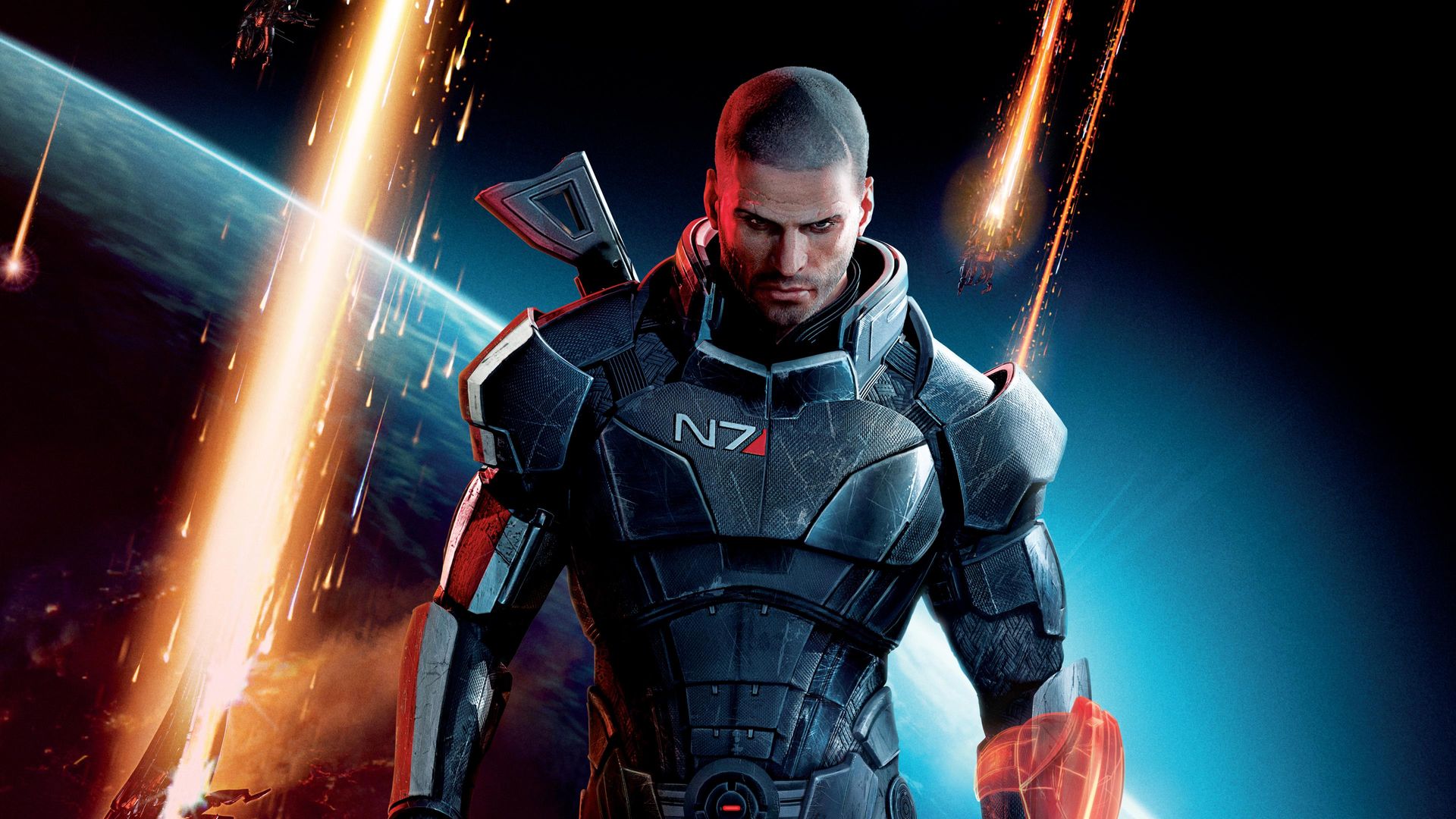
Image: courtesy of PC Gamer
Why BioWare's Cancelled Mass Effect Vision Reveals the Modern RPG Crisis
When a studio veteran reveals that a cancelled Mass Effect project targeted unprecedented player autonomy, it exposes the widening chasm between what role-playing fans demand and what modern development economics can sustain.
Outlook
Background
According to statements from BioWare veteran Tony de Waal on October 22, 2026, a cancelled iteration of the next Mass Effect was designed to feature a level of player autonomy and choice unmatched in the industry. Operating with a core team of approximately 50 developers, the project drew structural inspiration from modern role-playing benchmarks established by studios like Larian and CD Projekt Red. However, the project was officially cancelled alongside significant corporate restructuring at Electronic Arts, leaving the franchise's trajectory uncertain.
Precedents
The trajectory of the Mass Effect franchise mirrors a wider historical pattern in the games industry: the lengthening development cycles of narrative-driven blockbusters colliding with publisher demands for predictable financial returns. When BioWare launched the original trilogy between 2007 and 2012, industry economics allowed for linear, cinematic storytelling backed by modular dialogue trees. By the time Andromeda released in 2017 and subsequent projects entered early planning, player expectations had shifted dramatically toward the systemic freedom popularized by titles like Divinity: Original Sin 2 and Baldur's Gate 3. Studios attempting to pivot toward these complex, reactive design philosophies often find themselves caught between rising production costs and shrinking publisher patience.
The cancellation of a project aimed at redefining player agency is not merely a corporate footnote; it represents a cultural loss for interactive fiction. For millions of players who invested decades into the Commander Shepard saga and the broader Milky Way lore, the promise of a true next-generation role-playing experience offered a rare anchor in a medium increasingly dominated by live-service economies and repetitive multiplayer loops. When a core creative team of roughly 50 developers is disbanded before realizing a vision inspired by the industry's best systemic RPGs, it signals that the financial risk of player choice has become too steep for mainstream publishers to absorb.
Scenarios
AnalysisOne possible outcome is that Electronic Arts may license the intellectual property to external partner studios or smaller internal teams, resulting in spin-off titles with reduced scope rather than a direct tentpole sequel. Another scenario suggests the franchise could remain dormant for an extended period, similar to the multi-year hiatus following Andromeda, while market trends favor safer live-service experiments. Alternatively, veteran developers displaced by the restructuring could form independent studios, carrying the design philosophy of systemic player choice into spiritual successor projects.
Timeline
November 2025
N7 Day Public Updates
Executive producer Mike Gamble addresses fan concerns regarding the progress of the franchise during annual community celebrations.
October 22, 2026
Developer Revelations and Cancellation Details
BioWare veteran Tony de Waal reveals design details of the cancelled project, highlighting its focus on unprecedented player autonomy and inspiration from Larian and CD Projekt.
Frequently Asked Questions
According to studio veteran Tony de Waal, the project aimed to deliver a level of player autonomy and choice that no other game has matched, drawing inspiration from modern top-tier role-playing games.
Discussion
Be the first to share your thoughts.