
Gamers should anticipate a dual-layered experience where the high-performance ROG Ally X acts as the compute engine while the AR glasses function as the primary, immersive display. The shift to an OLED panel on the base unit ensures that even without the glasses, users are getting the top-tier contrast and color depth demanded by the enthusiast market. However, the true test lies in how well the Armoury Crate software handles the transition between a physical screen and a projected spatial display. Users will be looking for low latency, comfortable ergonomics, and a UI that doesn't feel clunky when projected into the field of vision. Expect a premium price point that reflects the bundle’s ambitions, likely positioning it as a luxury item rather than a direct, budget-friendly competitor to the standard Steam Deck.
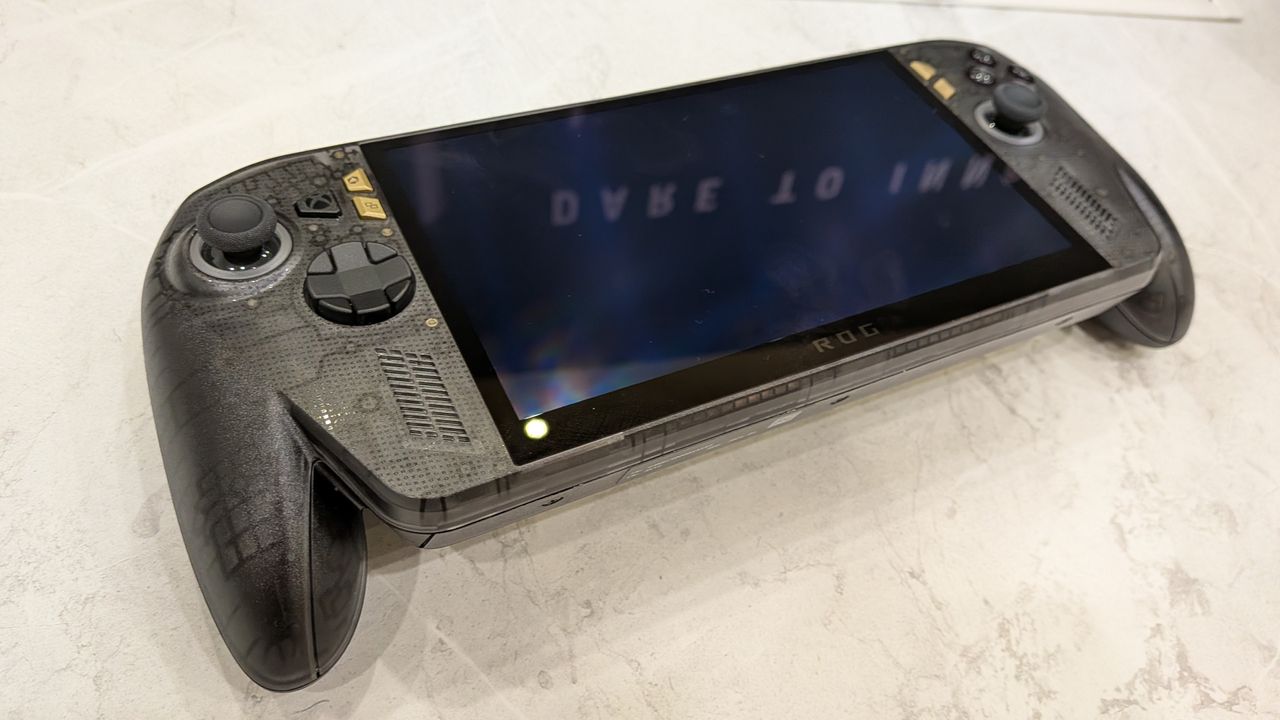
Image: courtesy of PC Gamer
The ROG Ally X Bundle: Is Asus Finally Cracking the Spatial Gaming Code?
Asus is pushing the boundaries of handheld gaming by bundling its upgraded ROG Ally X OLED with high-end AR glasses, signaling a major strategic shift toward spatial computing. This move moves beyond simple hardware specs, aiming to transform the mobile gaming experience into a private, cinema-like session.
Outlook
Background
The handheld market has seen a rapid evolution from novelty status to a legitimate segment of the PC gaming industry. With the ROG Ally X, Asus is attempting to differentiate itself from the software-dominant Steam Deck and the size-focused Legion Go. By integrating AR technology, they are addressing the 'small screen fatigue' that often discourages long-form gaming on handhelds. The success of this bundle depends on whether Asus can deliver a seamless, plug-and-play experience that doesn't feel like a collection of disparate parts. If the integration feels like an afterthought, the bundle risks being dismissed as a gimmick; if it feels cohesive, it could set a new standard for portable hardware.
Precedents
Previous attempts to bridge the gap between mobile gaming and wearable tech have historically failed due to weight, visual clarity, and lack of software support. Early forays into 3D mobile gaming and clunky VR headsets proved that consumers are unwilling to compromise on comfort for the sake of novelty. Asus is attempting to bypass these pitfalls by anchoring the experience in a proven, high-performance Windows handheld that users already trust for their library of games. Unlike past 'gimmick' products, this bundle is built upon a foundation of established, high-performance hardware, which gives it a better chance of gaining traction among serious gamers who already value the ROG brand.
This release represents a potential inflection point for the entire mobile gaming sector, as it forces the industry to reconsider what constitutes a 'portable' console. We have reached a point where raw processing power is beginning to plateau, meaning the next phase of competition will be defined by user experience and immersive form factors. By pushing into spatial display territory, Asus is challenging the status quo and forcing developers to think about how their games look and feel outside of a traditional monitor. If this bundle gains traction, we will likely see a cascade of competitors scrambling to offer their own versions of spatial gaming, effectively shifting the definition of portable play for the next decade.
Scenarios
AnalysisOutcome 1: The Premium Niche Success. The bundle becomes a status symbol for affluent travelers, carving out a lucrative luxury tier that keeps Asus insulated from the cutthroat pricing wars of the mass market. Outcome 2: The 'Gimmick' Realization. The AR hardware fails to overcome comfort or latency issues, leading users to abandon the glasses and forcing Asus to decouple the bundle. Outcome 3: The Catalyst for Spatial Gaming. The integration is so seamless that game developers begin to optimize UI and HUD elements specifically for AR, sparking a new industry-wide trend toward spatial-first design.
Timeline
Frequently Asked Questions
Discussion
Be the first to share your thoughts.