
Players can expect A Short Quest to deliver a first-person role-playing experience that consciously harks back to the early 2000s era of The Elder Scrolls. The game is confirmed to feature combat mechanics reminiscent of those older titles, though with a 'slightly tighter' feel, incorporating elements like dodging and quicksaving. Its 'lo-fi' aesthetic is a deliberate choice, suggesting a focus on gameplay and atmosphere over cutting-edge graphics. The developers are aiming for a 'short experience,' which implies a more focused narrative or gameplay loop compared to the sprawling open worlds characteristic of modern Elder Scrolls games. The game's design philosophy prioritizes evoking the 'bizarre spirit' and 'goofier era' where unexpected events, like an elf comically falling from the sky to drop a flight scroll, were part of the charm. This approach suggests a commitment to niche appeal rather than broad market trends, potentially offering a more concentrated dose of the specific kind of emergent storytelling and unique world-building that defined Bethesda's earlier successes.
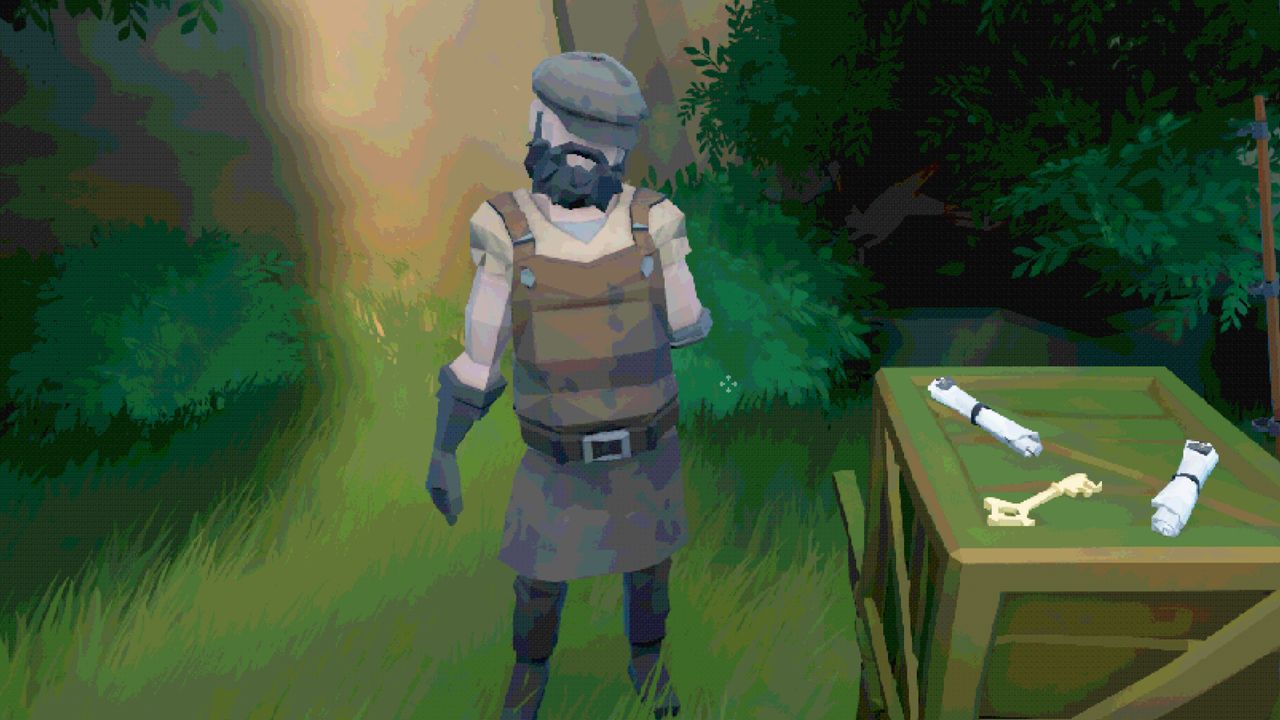
Image: courtesy of PC Gamer
A Short Quest: Why Indie Devs Are Chasing the 'Classic Elder Scrolls' Spirit Bethesda Left Behind
A new independent role-playing game, *A Short Quest*, is set to launch in 2026, deliberately channeling the distinctive, often quirky, atmosphere of earlier *The Elder Scrolls* titles like *Morrowind* and *Oblivion*. The game is described as a 'lo-fi' first-person RPG that mimics the combat mechanics of the classic series while aiming to capture its 'goofier era'—a design choice that stands in stark contrast to the long development cycles and evolving design philosophies of large-scale, modern AAA productions. This arrival highlights a growing market for nostalgic experiences, particularly as fans await *The Elder Scrolls 6*, which was first teased eight years ago.
Outlook
Background
The context for A Short Quest's emergence is deeply rooted in the history and current state of The Elder Scrolls franchise. Bethesda Game Studios, the developer behind the series, has built a reputation for massive, open-world RPGs set in the fictional world of Nirn. The first game, The Elder Scrolls: Arena, launched in 1994, with subsequent titles like Morrowind (2002) and Oblivion (2006) cementing the series' status as a cornerstone of the Western RPG genre. These earlier games, particularly Morrowind, are often remembered for their unique blend of deep lore, player freedom, and often eccentric world interactions. However, as the series progressed, especially with Skyrim (2011), the games evolved, often streamlining mechanics and focusing on broader accessibility, which some long-time fans felt diluted some of the earlier titles' distinct personality and depth.
Today, the gaming community has been waiting an extended period for the next mainline installment, The Elder Scrolls 6. A teaser trailer for the game was released approximately eight years ago, yet concrete details and a release window remain largely unconfirmed. This prolonged anticipation has created a significant void in the market for new Elder Scrolls-like experiences, especially those that cater to the specific nostalgic yearning for the series' earlier, less polished, but arguably more characterful, entries. The development cycles for AAA titles like those from Bethesda are now exceptionally long, often spanning close to a decade, which means the gap between major releases has widened considerably. This environment makes smaller, independent projects that can pivot quickly and target specific sub-genres particularly resonant with a segment of the player base.
Precedents
The phenomenon of indie developers stepping in to fill perceived gaps left by AAA franchises is a well-established pattern in the gaming industry. When major studios mature and their flagship series become global blockbusters, design choices often shift towards broader appeal, higher production values, and more streamlined experiences. This evolution, while commercially successful, can sometimes alienate segments of the original fanbase who appreciated the quirks, complexity, or specific aesthetic of earlier iterations.
Historically, we've seen this play out across various genres. For instance, after the Fallout series shifted from isometric, narrative-heavy RPGs under Black Isle Studios to first-person open-world titles under Bethesda, games like Pillars of Eternity and Divinity: Original Sin emerged to cater to fans of classic isometric RPGs. Similarly, the long wait for new Metroid games on Nintendo consoles led to a boom in 'Metroidvania' style indie titles, often praised for capturing the core exploration and ability-gated progression that made the originals beloved.
A Short Quest appears to be following this tradition, capitalising on the significant nostalgia for a particular era of The Elder Scrolls. The 'lo-fi' aesthetic is not merely a budgetary constraint; it is often a deliberate artistic choice that evokes a specific period of gaming history, allowing players to project their memories onto a familiar visual and mechanical framework. This approach resonates with players who appreciate sincerity and specific design philosophies over photorealistic graphics or massive scope. The extended wait for The Elder Scrolls 6 only amplifies this effect, creating a fertile ground for smaller, agile studios to deliver experiences that scratch a very particular itch for dormant fans.
The arrival of A Short Quest matters not just for its own merits, but for what it signals about the broader dynamics of the video game industry and evolving player expectations. First, it highlights the enduring commercial power of nostalgia. In an era dominated by remakes and reboots, a new game that successfully taps into the specific 'spirit' of a beloved classic can find a dedicated audience, even without a massive marketing budget. This provides a roadmap for other indie developers looking to carve out niches within well-established genres.
Second, it draws a subtle but important contrast between the current state of AAA development and the agility of independent studios. While Bethesda is engaged in multi-year, multi-million dollar projects like Starfield and the upcoming Elder Scrolls 6, smaller teams can deliver focused, passion-driven experiences that directly address specific fan desires. This raises questions about whether large studios, constrained by financial pressures and market expectations, can afford to indulge in the 'goofier,' less polished elements that defined their earlier successes. If A Short Quest proves to be a critical or commercial success, it could apply pressure on Bethesda to consider the depth of player appetite for those classic Elder Scrolls elements in future titles, or at least acknowledge the market space that has emerged in their absence.
Finally, for players, it means more choice. It suggests that if a specific type of gaming experience is no longer being served by the original creators, other developers are willing and able to step in. This fosters a more diverse ecosystem where both blockbuster spectacles and intimate, nostalgic tributes can coexist and thrive, ultimately enriching the overall gaming landscape.
Scenarios
AnalysisOne potential outcome is that A Short Quest achieves significant critical acclaim and commercial success within its niche. If it genuinely captures the specific, quirky appeal of classic Morrowind or Oblivion, it could become a breakout hit among RPG enthusiasts, particularly those feeling underserved by modern AAA offerings. This would validate the indie approach of focusing on specific nostalgic elements and could inspire a wave of similar 'lo-fi' tributes to other beloved franchises.
Another scenario is that A Short Quest finds a modest but dedicated following. Even without blockbuster sales, a strong showing could solidify the developer's reputation and demonstrate the viability of creating smaller, more focused RPG experiences that don't attempt to compete directly with the scale of titles like The Elder Scrolls. This would reinforce the idea that quality of experience, rather than sheer size, can drive player engagement.
Conversely, it is possible that A Short Quest may struggle to gain widespread traction. While the concept of 'classic Elder Scrolls spirit' is appealing to many, the 'lo-fi' aesthetic and 'short experience' format might not resonate with a broad enough audience, especially if expectations for an Elder Scrolls-like game are inherently tied to expansive open worlds and high-fidelity graphics. The challenge for any nostalgic title is balancing authenticity with modern design sensibilities, and if A Short Quest misses that balance, its impact could be limited.
Finally, the success or even the existence of A Short Quest could subtly influence Bethesda's future design decisions for The Elder Scrolls 6. While a small indie game is unlikely to drastically alter a multi-year AAA development plan, a clear demonstration of player demand for certain 'classic' elements could prompt Bethesda to reconsider how they integrate humor, eccentricity, or specific gameplay mechanics into their evolving vision for the franchise.
Timeline
Frequently Asked Questions
Discussion
Be the first to share your thoughts.