
Veridact
TechSportsFinanceGaming🎯 PredictionsAbout
Sign InSign Up
Veridact

Analysis before the headline. Veridact examines technology, finance, sports, and gaming events before they unfold through forecasting, probability modeling, historical precedent, and public prediction tracking.

Stay ahead of what's next

Forecasts, analysis, and prediction updates delivered to your inbox.

Coverage

  • Tech
  • Sports
  • Finance
  • Gaming

Company

  • About Us
  • Privacy Policy

© 2026 Veridact. Forecasting & analysis platform.

Content may include AI-assisted research and analysis. Predictions and opinions should not be considered financial, legal, medical, or investment advice.

tech
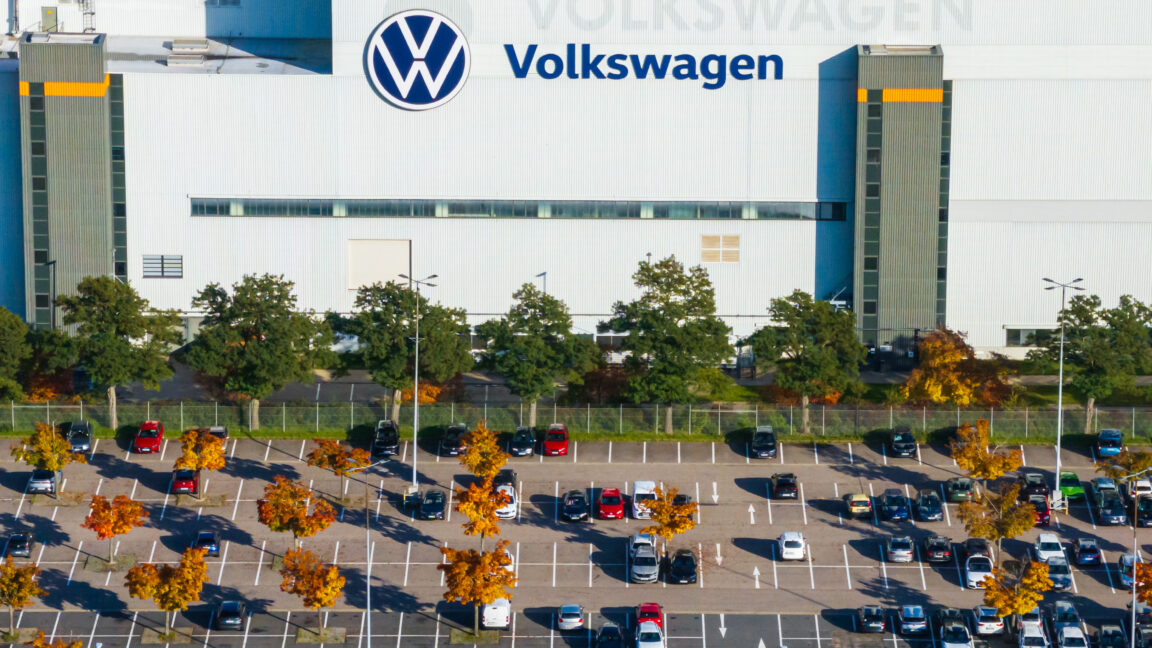
VW may close four factories to adapt to the future, report says

Image: courtesy of Ars Technica

techJune 27, 2026By Veridact EditorialUpdated Jun 27

Volkswagen Reportedly Weighs Closing Four German Factories, Cutting 100,000 Jobs Amid Profit Slide

Volkswagen Group is reportedly considering a drastic restructuring plan that could involve closing up to four factories in Germany and eliminating as many as 100,000 jobs. The move, if confirmed, would be a stark departure from the automaker's modern history and signals a deep response to falling profits, stagnant sales, and intense competition in key markets like the U.S. and China. While the company has not officially confirmed these reports, the proposed changes are aimed at significantly reducing costs and simplifying operations as VW navigates the costly transition to electric vehicles.

Outlook

Reports circulating in the German media, notably from Manager Magazin, suggest Volkswagen CEO Oliver Blume presented a strategy known as “Group Target Picture” for 2030 to senior executives. This plan reportedly outlines the potential closure of up to four production facilities within Germany and a reduction of the workforce by roughly 15%, translating to around 100,000 positions. Two German factories, including the large facility in Osnabrück where the Porsche 718 is manufactured, are specifically mentioned as being under consideration for closure.

These potential closures and job cuts are distinct from other ongoing restructuring efforts. Volkswagen had already announced plans to cut 19,000 jobs in Germany by the end of 2026, with a binding target to reduce the workforce by more than 28,000 positions over a longer, unspecified period. The scale of the newly reported cuts, however, would far exceed these earlier targets, indicating a more profound strategic shift.

Background

The reported considerations come after a challenging period for Europe’s largest automaker. In 2025, Volkswagen's sales remained essentially flat, while its profits dropped sharply by 44% to €6.9 billion ($7.9 billion). Operating margins also more than halved, signaling significant financial pressure. This decline is attributed, in part, to fierce competition and slowing sales in crucial markets such as the United States and China, compounded by the high costs associated with developing and producing electric vehicles.

Volkswagen, like many legacy automakers, is grappling with the dual challenge of maintaining profitability from its traditional combustion engine business while investing heavily in future electric and software technologies. The reported plan suggests an aggressive approach to streamline operations and cut overhead, aiming to improve efficiency and competitiveness in a rapidly changing global automotive market. The goal is to reduce complexity within the sprawling Volkswagen Group and free up capital for strategic investments.

Precedents

The potential closure of German factories would mark a significant historical moment for Volkswagen. The company has not closed a plant in its home country in its modern history, a testament to the strong labor protections and the automaker’s deep integration into Germany’s industrial fabric. Such a move would represent the first major factory shutdowns by a German automaker since Opel closed its Bochum plant in 2014.

Historically, German automakers have prioritized maintaining domestic employment, often negotiating extensive concessions with powerful labor unions rather than resorting to outright factory closures. However, the current economic pressures, including the escalating costs of the electric vehicle transition and intense global competition, appear to be forcing a re-evaluation of these long-standing practices. Previous job reduction efforts at VW have typically relied on voluntary early retirement schemes or not replacing departing employees, rather than large-scale compulsory layoffs or plant shutdowns.

The implications of Volkswagen potentially closing factories and cutting 100,000 jobs extend far beyond the company itself. For Germany, it would represent a significant blow to its industrial heartland and labor market, raising questions about the future of traditional manufacturing jobs in the era of electrification and automation. The sheer scale of the proposed job cuts could have ripple effects across supplier networks and local economies.

For the global automotive industry, this move would signal the growing pressure on established players to adapt or face severe consequences. It highlights the brutal economics of the EV transition, where massive investments in new technologies and production lines must be balanced against shrinking margins and intense competition from newer, agile players. Investors will be watching closely to see if such drastic measures can restore profitability and market confidence in Volkswagen’s long-term strategy.

Moreover, the response from powerful German labor unions and political figures will be critical. Any plan involving compulsory layoffs or factory closures is likely to face strong resistance, potentially leading to protracted negotiations or industrial action. This situation underscores the complex interplay between corporate strategy, national economic interests, and social welfare in a time of profound industrial transformation.

Scenarios

Analysis

One possible outcome is that Volkswagen proceeds with a scaled-back version of the reported plan. Given the sensitivity of factory closures and mass layoffs in Germany, the company might negotiate with unions to find alternative solutions, such as retraining programs, internal transfers, or more generous early retirement packages, to reduce the number of compulsory job cuts or avoid complete plant shutdowns.

Another scenario could see the full plan, or something very close to it, move forward. If Volkswagen's financial pressures continue to mount and the transition to electric vehicles proves more challenging than anticipated, the company may feel compelled to implement these drastic measures to secure its long-term viability. This would likely involve a difficult period of industrial unrest and public debate.

A third possibility is that the reported plans are used as a negotiating tactic. By floating such a radical proposal, management could aim to pressure unions into accepting more moderate concessions on wages, working hours, or productivity improvements, ultimately leading to a less severe restructuring package than initially suggested.

Timeline

2014
Opel's Bochum Plant Closes
The last major factory shutdown by a German automaker occurred when Opel closed its plant in Bochum, providing a historical precedent for significant industrial restructuring.
2025
Volkswagen's Challenging Year
Volkswagen Group experienced flat sales and a 44% drop in profits to €6.9 billion, with operating margins more than halving, indicating significant financial strain.
Late 2025 - Early 2026
Initial Job Cut Plans Announced
Volkswagen separately planned to cut 19,000 jobs in Germany by the end of 2026, with a broader target of over 28,000 job cuts, signaling initial restructuring efforts.
2026-06-26
Reports Emerge of Factory Closures and Mass Layoffs
Manager Magazin reported that Volkswagen CEO Oliver Blume presented a strategy to senior executives, outlining the potential closure of up to four German factories and 100,000 job cuts by 2030, based on information from insiders.

Frequently Asked Questions

No, Volkswagen has not officially confirmed the reports about closing up to four factories and cutting 100,000 jobs. The information stems from media reports citing insiders familiar with a strategy presentation by CEO Oliver Blume.

Discussion

0/100
0/1000

Be the first to share your thoughts.

Related Coverage

tech

FTC Clears Elon Musk to Acquire Mesh Optical Technologies, Bolstering His AI Data Center Ambitions

Jun 28
tech

US Greenlights Anthropic's Mythos 5 for Cyber Defenders, Fable 5 Remains Restricted

Jun 28
tech

Anthropic's Export Ban Opens Door for Asian AI Challengers in Tokyo and Beijing

Jun 28
tech

OpenAI Taps Uber India Chief Prabhjeet Singh to Lead Key Growth Market

Jun 27

Stay ahead of the story

AI analysis delivered before events unfold. No spam.

ⓘ

Methodology: Veridact combines public data, historical precedent, and analytical models to evaluate the likelihood of future outcomes.