
The immediate consequence of the July 12 strikes is likely a reassessment of naval defense strategies by nations, particularly those with conventional navies operating in contested waters. Other military powers will be watching how the US integrates these systems into broader naval doctrine. We can anticipate increased investment in similar autonomous maritime systems globally, alongside accelerated efforts to develop countermeasures against such threats. For the US, this initial combat deployment suggests a willingness to use these 'one-way attack' drones in future operations where minimizing risk to human personnel and capital assets is paramount, especially in scenarios involving asymmetric threats or difficult-to-reach targets. The strikes against Iran's naval infrastructure also signal a continued US focus on degrading capabilities that threaten commercial shipping lanes, potentially setting a precedent for similar actions elsewhere.
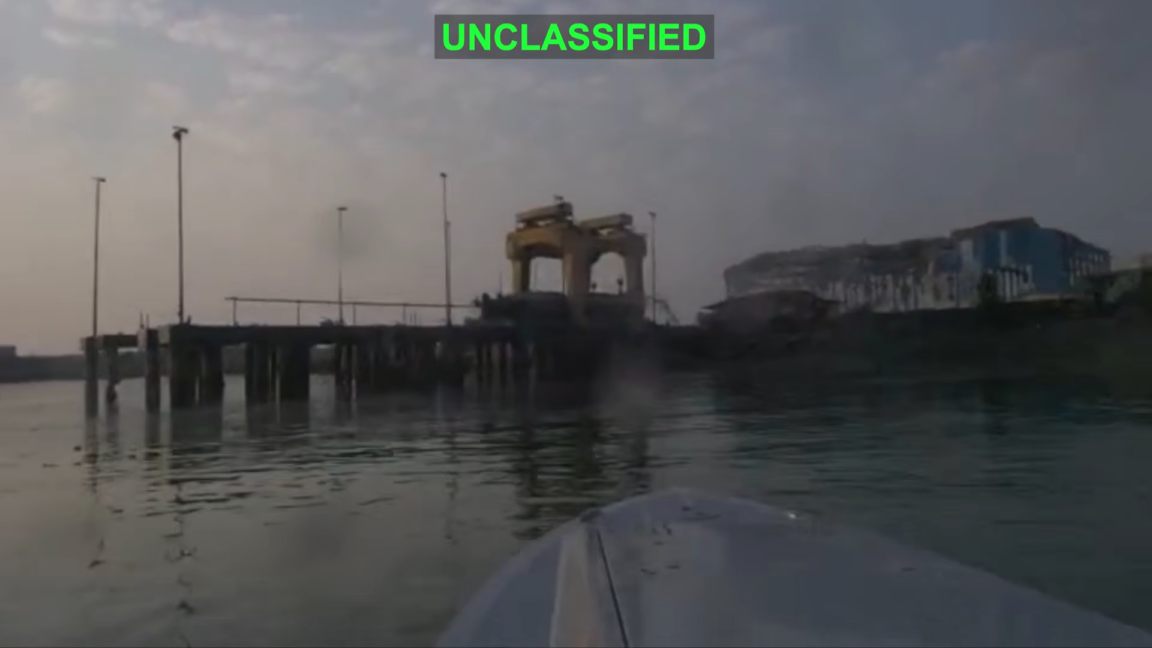
Image: courtesy of Ars Technica
America's New Naval Playbook: What Drone Boat Strikes in Iran Signal for Future Warfare
The United States military, on July 12, 2026, deployed explosive drone boats in combat for the first time, targeting an Iranian submarine and a naval facility at the Bandar Abbas Naval Base. This operation, utilizing three Saronic Corsair unmanned surface vessels (USVs), marks a significant strategic shift in how American forces may engage in future naval conflicts, focusing on cost-effective, uncrewed platforms for high-risk missions.
Outlook
Background
On July 12, 2026, the U.S. military confirmed its inaugural combat deployment of explosive drone boats against Iranian targets. The operation involved three military-variant Saronic Corsairs, 24-foot unmanned surface vessels (USVs), which struck a midget submarine and a ship maintenance facility located at Iran's Bandar Abbas Naval Base. U.S. Central Command (CENTCOM) described these as 'one-way attack surface drones,' highlighting their expendable nature. The company Saronic later confirmed its Corsairs were used, stating the strikes aimed to 'degrade Iran's ability to continue attacking commercial shipping.'
This event represents a pivotal moment in naval warfare. Unmanned surface vessels, or USVs, are essentially naval drones that operate on or just below the water's surface without human crew onboard. While various nations have experimented with USVs for reconnaissance, surveillance, and mine countermeasures, the US military's use of them in an offensive, explosive capacity against a sovereign nation's military assets is a first for American forces. The 'one-way attack' designation means these drones are designed to reach their target and detonate, making them analogous to 'kamikaze' drones used in aerial combat, but adapted for the maritime domain. This approach allows for the engagement of high-value or heavily defended targets without risking human lives or expensive manned naval platforms.
Precedents
The deployment of explosive drone boats by the U.S. military on July 12, 2026, follows a clear trajectory established by drone warfare in other domains. For years, aerial drones have reshaped land-based conflicts, offering surveillance, precision strike capabilities, and reducing human risk. More recently, loitering munitions, often called 'kamikaze drones,' have become a common feature in ground warfare, providing relatively low-cost, expendable strike options.
In the maritime domain, the use of unmanned systems has also been accelerating. Ukraine, for instance, has extensively employed sea drones against Russian naval assets in the Black Sea, demonstrating their effectiveness in asymmetric warfare against larger, more conventional fleets. These actions have showcased the potential for smaller, cheaper, and uncrewed vessels to challenge established naval power structures. However, these were typically developed and deployed by a nation under direct attack. The US deployment marks the first time a major global power has openly used such explosive USVs in offensive combat operations, moving beyond experimental phases or proxy conflicts. This indicates a formal integration of these systems into a leading military's strategic toolkit, rather than an improvised tactical response. Historically, major powers adopting new weapon systems often trigger a ripple effect, prompting adversaries and allies alike to invest in similar capabilities or develop countermeasures, accelerating a new arms race.
The US military's decision to employ explosive drone boats in combat against Iran is more than just a tactical success; it signals a fundamental shift in naval strategy and the calculus of maritime power projection. Firstly, it offers a way to engage high-risk targets with significantly reduced cost and zero risk to human personnel. A Saronic Corsair, while not cheap, is orders of magnitude less expensive than a destroyer or even a manned special operations vessel, making it an economically viable option for attacking specific, hardened targets.
This shifts the risk equation. Instead of placing sailors or multi-billion-dollar warships in harm's way, military planners can now consider 'expendable' assets for missions previously deemed too dangerous. This has profound implications for how conflicts are fought, potentially lowering the threshold for engaging in certain types of operations by reducing the immediate human cost.
Secondly, the use of autonomous 'one-way attack' vessels introduces new complexities for defense. Traditional naval defenses are designed to counter manned vessels, aircraft, and missiles. Small, fast, and potentially swarming drone boats present a different challenge, forcing adversaries to invest in new detection and interception technologies. The successful strike on Bandar Abbas Naval Base, a key Iranian facility, demonstrates the ability of these drones to penetrate existing defenses and inflict damage on critical infrastructure.
Finally, this move accelerates the global naval drone arms race. Other nations, both allies and potential adversaries, will undoubtedly analyze this event closely. Those without advanced naval drone programs will likely redouble their efforts, while those already developing them will seek to refine their capabilities. This could lead to a proliferation of such systems, fundamentally altering the balance of power in contested maritime regions and potentially creating new avenues for escalation or asymmetric warfare.
Scenarios
AnalysisThe deployment of explosive drone boats by the U.S. military on July 12, 2026, could lead to several distinct, yet interconnected, outcomes in the realm of naval warfare and international relations.
One likely outcome is the accelerated integration of unmanned surface vessels (USVs) into global naval fleets. The demonstrated effectiveness and risk-reduction benefits of these 'one-way attack' drones will prompt major naval powers to fast-track their own development and procurement programs. This could lead to a diverse array of USVs, from explosive attack variants to reconnaissance and anti-submarine warfare platforms, becoming standard components of modern navies within the next five to ten years. Smaller nations, unable to afford large, conventional fleets, may also see USVs as a cost-effective way to project power or defend their coastlines, potentially leading to a wider proliferation of this technology.
A second significant outcome is a rapid evolution in naval defense strategies and counter-drone technologies. The successful penetration of Iranian naval defenses by the Saronic Corsairs will compel navies worldwide to invest heavily in systems designed to detect, track, and neutralize small, fast, and potentially swarming drone threats. This could include advancements in radar and sonar systems, electronic warfare capabilities, directed energy weapons, and even specialized counter-drone USVs or aerial drones. The strategic interplay between offensive drone capabilities and defensive countermeasures will become a critical area of military research and development, creating a new layer of complexity in maritime security.
A third possibility is a recalibration of international norms and laws surrounding autonomous weapons systems. The use of explosive USVs, particularly if they operate with a high degree of autonomy in target selection, will likely reignite debates within the international community regarding the ethics and regulation of 'killer robots.' Discussions at the United Nations and other international bodies may intensify, seeking to establish guidelines or restrictions on the development and deployment of such systems, especially in the context of preventing unintended escalation or civilian casualties. The challenge will be balancing the military advantages of these systems with the broader implications for global stability and human rights.
Timeline
Frequently Asked Questions
Discussion
Be the first to share your thoughts.