
The confirmation of a third measles fatality is expected to intensify calls for stronger public health interventions and renewed vaccination efforts across Pennsylvania. Public health officials will likely face increased pressure to address vaccine hesitancy and misinformation, especially in communities with lower immunization rates. We may see more aggressive public awareness campaigns, and local health authorities could implement targeted vaccination drives or tighten school entry requirements if the outbreak continues its trajectory. For the public, the immediate expectation is heightened vigilance and a renewed focus on personal vaccination status.
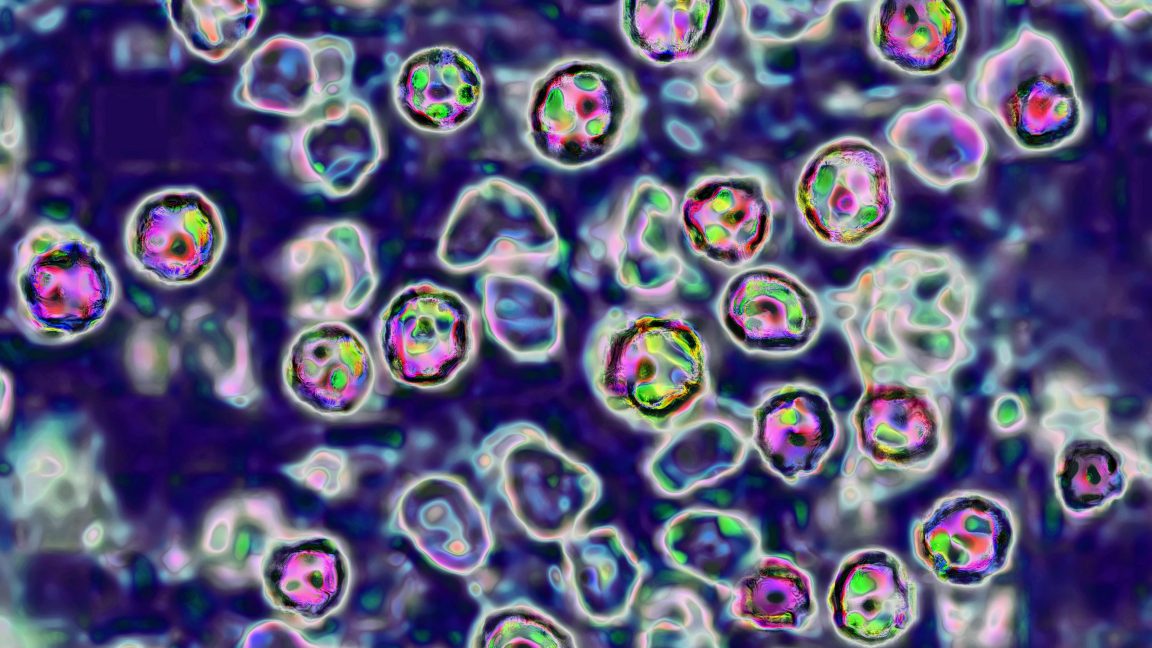
Image: courtesy of Ars Technica
Pennsylvania's Third Measles Death: What the Outbreak Reveals About Public Health Fault Lines
A 40-year-old unvaccinated woman in Jefferson County, Pennsylvania, died on Saturday from complications related to measles. This marks the third measles-linked death in the state this year, all of which have occurred amidst a rapidly escalating outbreak that has sickened over 670 people across 37 counties, leading to 124 hospitalizations. The Jefferson County Coroner, Greg Furlong, confirmed the death on Sunday, highlighting the severe and potentially fatal risks of the highly contagious, vaccine-preventable disease.
Outlook
Background
Measles, once declared eliminated in the United States in 2000, has seen a resurgence in recent years, largely due to declining vaccination rates in certain communities. The current outbreak in Pennsylvania is particularly severe, with over 670 confirmed cases and 124 hospitalizations reported across 37 of the state's 67 counties. All three measles-related deaths reported in the U.S. this year have occurred in Pennsylvania, underscoring the virulence of the virus and the vulnerability of unvaccinated individuals. The disease is highly contagious, spreading through the air when an infected person coughs or sneezes, and can lead to serious complications including pneumonia, encephalitis (brain swelling), and death, particularly in young children and immunocompromised individuals.
Precedents
The current situation in Pennsylvania mirrors historical patterns of measles outbreaks tied to drops in vaccination coverage. Before the widespread introduction of the measles vaccine in the 1960s, measles was a common childhood illness, responsible for millions of cases and thousands of deaths globally each year. Mass vaccination campaigns dramatically reduced its incidence, leading to its elimination in the U.S. However, the rise of vaccine hesitancy movements, often fueled by misinformation, has created pockets of unvaccinated individuals. When measles is introduced into these susceptible populations, it can spread rapidly, leading to outbreaks that strain healthcare systems and, as seen in Pennsylvania, result in preventable deaths. The Centers for Disease Control and Prevention (CDC) has previously warned about the risks posed by declining vaccination rates, noting that even a small dip in coverage can allow the virus to re-establish itself.
The death of a third unvaccinated individual from measles complications in Pennsylvania is more than just a tragic statistic; it is a stark reminder of the fragile nature of herd immunity and the profound societal cost of vaccine hesitancy. For public health, it highlights the challenges in maintaining high vaccination coverage and combating the spread of misinformation in an interconnected world. For the healthcare system, these preventable cases place additional strain on resources, diverting attention and staff from other critical health needs. Beyond the immediate human toll, sustained outbreaks can disrupt schools, workplaces, and public gatherings, impacting local economies and social cohesion. This event also fuels the ongoing political and ethical debates surrounding individual health freedoms versus collective public health responsibilities, forcing communities to confront the real-world consequences of decisions made about vaccine uptake.
Scenarios
AnalysisOne immediate outcome is likely to be a renewed push from state health authorities for vaccination, potentially including targeted public information campaigns in affected counties. This could lead to a modest increase in vaccination rates, especially among at-risk populations.
Another outcome could be increased pressure on state lawmakers to consider more stringent vaccine mandates for school entry or healthcare workers. While politically contentious, the escalating death toll may shift public opinion enough to make such measures more viable, though implementation could face legal challenges.
Conversely, the deaths could also harden the resolve of vaccine-hesitant groups, potentially leading to further resistance to public health directives. This dynamic could prolong the outbreak, making containment more difficult and increasing the risk of further spread beyond Pennsylvania's borders.
Longer-term, the Pennsylvania outbreak may serve as a critical case study for national public health strategies, influencing how the CDC and other agencies approach vaccine education and outbreak response in areas with significant vaccine hesitancy.
Timeline
2026-09-12
Unvaccinated Woman Dies
A 40-year-old unvaccinated woman in Jefferson County, Pennsylvania, dies from complications associated with measles.
2026-09-13
Coroner Confirms Death
Jefferson County Coroner Greg Furlong confirms the woman's death, stating it was linked to measles complications, and notes her unvaccinated status. This marks the third measles-related death in Pennsylvania this year.
2026-09-14
Outbreak Statistics Released
Reports confirm over 670 measles cases and 124 hospitalizations across 37 Pennsylvania counties, highlighting the scale of the ongoing outbreak.
Frequently Asked Questions
Measles is a highly contagious respiratory disease caused by a virus. It spreads through the air when an infected person coughs or sneezes. Symptoms include a high fever, cough, runny nose, red eyes, and a rash of tiny, red spots. While often considered a childhood illness, it can be very serious, leading to complications like pneumonia, ear infections, severe diarrhea, brain swelling (encephalitis), and even death, especially in unvaccinated individuals, young children, and those with weakened immune systems.
Discussion
Be the first to share your thoughts.