
Financial institutions will likely face intensified regulatory scrutiny regarding third-party vendor risk management. Affected customers can expect direct notifications from Chase and other institutions, while security teams audit vendor access privileges across global supply chains.
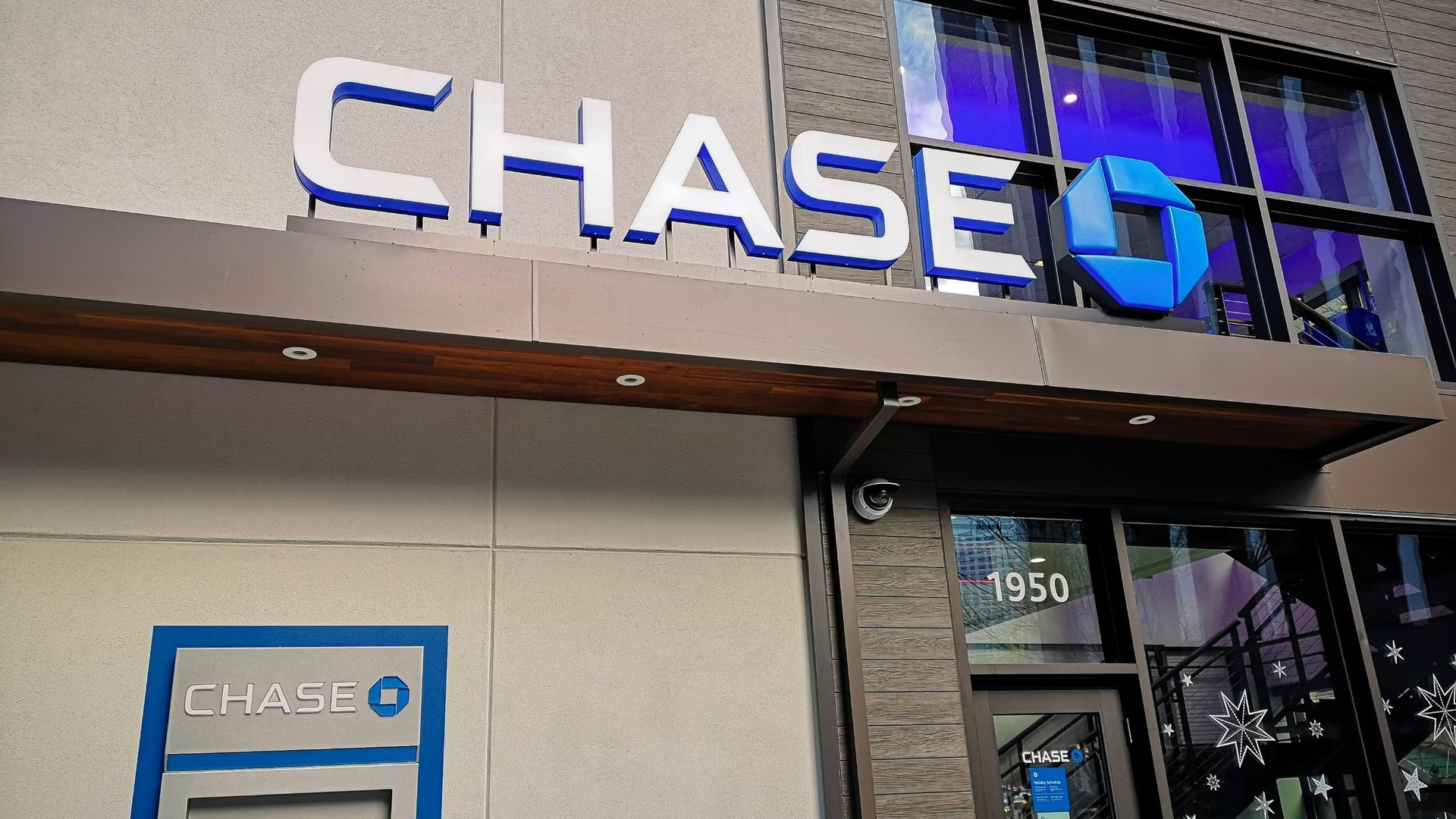
Image: courtesy of Thenextweb
Why Vendor Breaches at Chase, Visa, and Mastercard Expose the Soft Underbelly of Modern Finance
JPMorgan Chase, Visa, and Mastercard confirmed that cyberattacks on outside third-party vendors exposed limited customer data, including email addresses and marketing profiles, after a ransomware group named n0n published leaked files. While core payment systems remained untouched and financial accounts secure, the incident highlights a persistent vulnerability: the massive web of external marketing and service partners that major financial institutions rely on every day.
Outlook
Background
On November 19, 2026, a ransomware group called n0n claimed responsibility for cyberattacks targeting third-party vendors used by JPMorgan Chase, Visa, and Mastercard. Cybernews researchers and threat intelligence firms like SOCRadar reported the publication of roughly 16,000 customer email addresses, Chase account IDs, and staff email addresses, primarily impacting premium products like the Chase Reserve card. Visa confirmed a third-party incident in the Asia-Pacific region, while Mastercard reported limited email exposure. All three institutions stated that primary banking infrastructure, passwords, Social Security numbers, and card payment details were not compromised.
See also
Precedents
Financial services firms have hardened their internal digital fortresses over the past decade, shifting cyber risk outward to vendor ecosystems. Past incidents, such as the massive supply chain breaches affecting corporate software providers and marketing agencies, demonstrate that attackers frequently target the weakest link in a company's extended network rather than breaching core servers directly.
When a customer hands data to a bank, they assume bank-grade security protects every corner of the operation. This incident reveals the structural reality of modern corporate outsourcing: a financial giant's security is only as strong as its smallest, least-secured marketing partner. For high-net-worth consumers holding premium cards, even a leak of contact IDs and travel preferences creates immediate phishing risks.
Scenarios
AnalysisRegulatory agencies in the United States and international markets could introduce stricter compliance mandates for vendor data access. Major banks might consolidate their vendor lists, cutting ties with smaller marketing agencies that lack enterprise-grade security protocols. Cybercriminal groups may continue targeting auxiliary marketing databases, treating them as soft targets to pressure high-profile financial institutions.
Timeline
November 19, 2026
Vendor Breaches Confirmed
JPMorgan Chase, Visa, and Mastercard confirm that third-party service providers suffered cyberattacks, exposing limited customer contact and marketing data.
November 19, 2026
n0n Ransomware Leak
After a 48-hour deadline passes, the n0n ransomware group publishes files containing thousands of email addresses, account IDs, and staff contact logs.
November 20, 2026
Security Audits Underway
Financial institutions begin contacting affected customers directly while verifying that core payment networks and card numbers remain secure.
Frequently Asked Questions
No. Confirmed reports from JPMorgan Chase, Visa, and Mastercard indicate that core payment details, passwords, Social Security numbers, and bank account balances were not compromised in these vendor attacks.
Discussion
Be the first to share your thoughts.