
All eyes in the space industry are now watching for China's next move. A full-scale booster landing attempt would mark a critical step in its bid to develop fully reusable rockets, a technology seen as essential for reducing launch costs and increasing flight frequency. The success of a subscale Long March 10 rocket in a recent test indicates that China is systematically progressing towards this goal. For Rocket Lab, the new record in responsive space shows a continued push towards agility and tactical advantage in satellite deployment, a capability increasingly important for military and intelligence applications. Further rapid response missions and continued refinement of their launch cadence can be expected from Rocket Lab and its competitors.
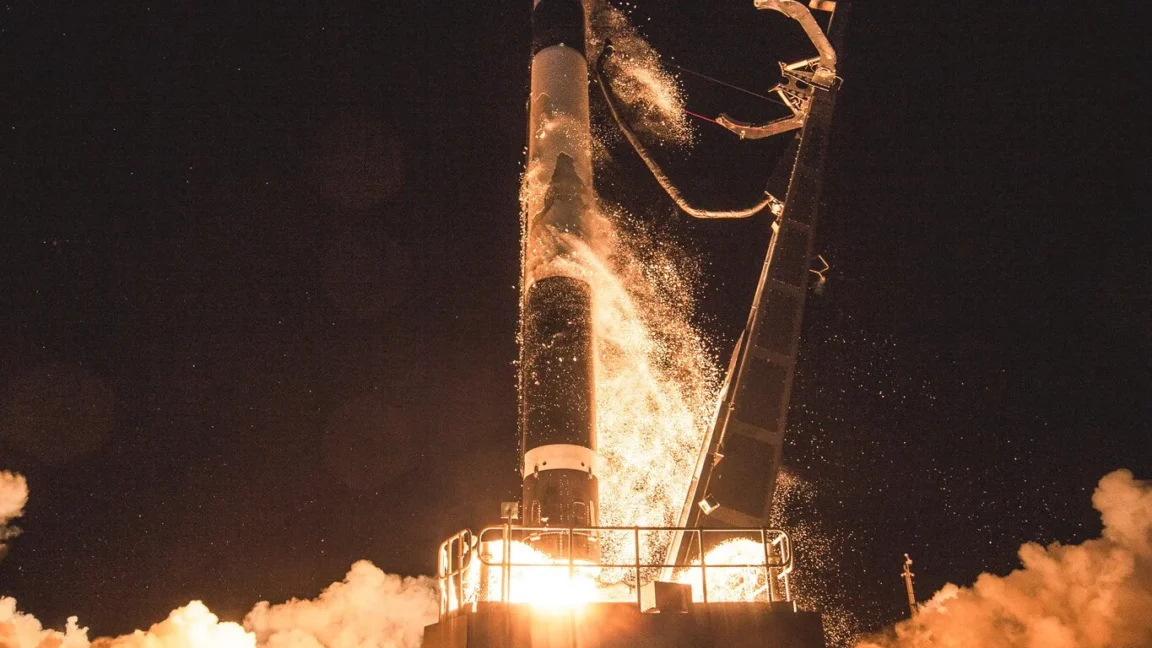
Image: courtesy of Ars Technica
China Nears Reusable Rocket Test as Rocket Lab Sets New Rapid Launch Record
China is reportedly preparing for a significant test of its reusable rocket technology, potentially attempting a booster landing in the near future. This development comes as the global space industry intensely pursues cost-saving reusability, a field currently dominated by SpaceX. Meanwhile, Rocket Lab recently demonstrated its advanced operational speed by launching a U.S. Space Force mission with less than 17 hours' notice, setting a new record for responsive space capabilities. These two events highlight the accelerating competition and innovation across different facets of the global space sector, from national strategic programs to commercial tactical operations.
Outlook
Background
The concept of reusable rockets has fundamentally reshaped the space launch market over the last decade, primarily driven by SpaceX's Falcon 9 booster landings. This technology dramatically cuts the cost of access to space by allowing expensive rocket components to be used multiple times, rather than being discarded after a single flight. China's state-backed space program and private companies like LandSpace, which operates the Zhuque-3 rocket, have made reusability a central pillar of their long-term strategy. The successful test of a subscale Long March 10 rocket, a design intended for future crewed missions to the Moon, signals a maturing technical capability within China's broader space infrastructure.
On the other side of the competitive landscape, 'responsive space' refers to the ability to launch satellites quickly, often within hours or days of a request, rather than the typical months or years. This capability is crucial for military and intelligence agencies that need to replace damaged satellites, launch new surveillance assets on short notice, or deploy experimental payloads rapidly. Rocket Lab's recent VICTUS HAZE mission for the U.S. Space Force, launched in a record 16 hours and 42 minutes, shattered the previous record set by Firefly Aerospace. This achievement underscores the growing demand for agility in space operations and the strategic importance of rapid access to orbit.
See also
Precedents
The history of spaceflight is marked by periods of intense competition and innovation. The 'Space Race' between the U.S. and the Soviet Union in the 20th century drove monumental advancements. In the modern era, the drive for reusability mirrors this historical push for technological superiority and cost efficiency. SpaceX's pioneering work with the Falcon 9 demonstrated that reusable orbital-class rockets were not only feasible but economically transformative. This spurred other nations and private companies to invest heavily in similar capabilities.
Similarly, responsive launch capabilities have been a long-standing goal for military space programs. While early attempts were often costly and complex, the rise of smaller, more agile launch vehicles like Rocket Lab's Electron has made responsive space more practical. Rocket Lab itself set a record in 2024 by launching two Electron missions from different hemispheres in less than 24 hours, building on a history of delivering responsive missions. This consistent improvement shows a clear trend towards shorter turnaround times and increased flexibility in space access.
The convergence of these developments signifies a deepening global competition in space, with profound implications for national security, economic power, and scientific exploration. China's progress in reusable rocket technology directly challenges the current dominance of Western launch providers and could fundamentally alter the economics of space access for a large portion of the world. If China can achieve reliable and cost-effective reusability, it will significantly boost its independent space capabilities, making it a more formidable player in commercial launch services and strategic missions.
Rocket Lab's record-setting rapid response, meanwhile, highlights the evolving nature of space warfare and intelligence. The ability to quickly deploy or replace assets in orbit offers a critical tactical advantage, enhancing space domain awareness and resilience in a contested environment. This capability is not just about speed; it's about the institutional muscle memory and technical reliability required to execute complex missions under extreme time pressure. For both commercial and military clients, these advancements mean faster, potentially cheaper, and more flexible access to space, reshaping everything from telecommunications to global security infrastructure.
Scenarios
AnalysisOne immediate outcome of China's impending booster landing attempt is a clearer picture of its reusability readiness. A successful landing, even partial, would validate years of investment and engineering, likely accelerating further development of its Long March 10 and Zhuque-3 programs. This could lead to China offering more competitive launch services on the international market, potentially driving down global launch costs and increasing pressure on established Western providers.
Conversely, a failed attempt, while a setback, would provide valuable data and likely lead to iterative improvements, as is common in complex aerospace development. It would not derail China's long-term reusability ambitions but might delay their commercial viability.
For Rocket Lab, its demonstrated rapid response capability could attract more defense contracts and solidify its position as a go-to provider for time-critical missions. This could also push competitors like Firefly Aerospace to further optimize their own rapid launch protocols, fostering an even more agile market for small satellite launches. The broader consequence is a more robust and resilient space infrastructure for nations and private entities that prioritize quick access to orbit.
Another possible outcome is increased investment in automated launch systems and advanced manufacturing techniques across the industry, as companies seek to replicate or surpass Rocket Lab's speed. This competitive pressure could ultimately benefit a wider range of customers by making space access more efficient and adaptable.
Timeline
Frequently Asked Questions
Discussion
Be the first to share your thoughts.