
The immediate consequence for consumers in the US and Europe is a narrower choice in the premium-yet-affordable smartphone segment. Brands like Samsung, Google, and Apple are likely to solidify their dominance at the higher end, while other Chinese manufacturers such as Xiaomi or Realme, if they choose to aggressively enter or expand, could attempt to capture the mid-range void left by OnePlus. For existing OnePlus users, the company has confirmed ongoing software updates and customer support, but the long-term viability of this commitment beyond a typical product lifecycle remains an open question. This move also suggests a broader strategic pivot from BBK Electronics, which may now concentrate its resources on more robust and less challenging markets, particularly in Asia.
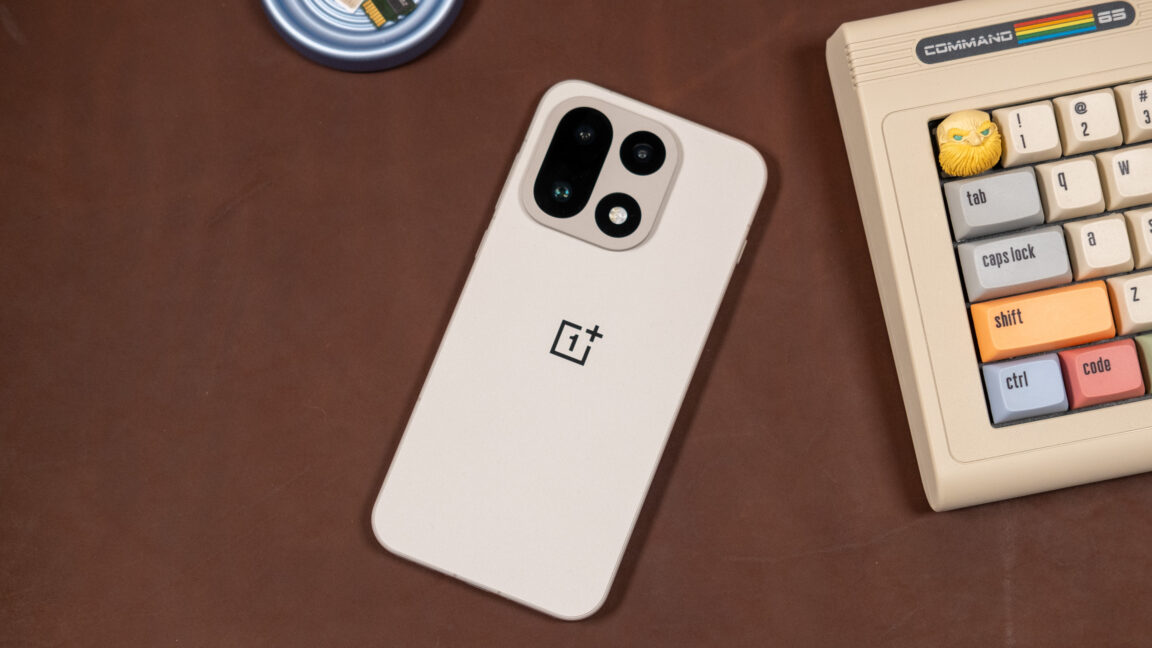
Image: courtesy of Ars Technica
OnePlus Exits US, Europe: What The 'Flagship Killer's' Retreat Means For The Smartphone Market
OnePlus has officially ceased its smartphone operations in the United States and Europe, confirming months of speculation. The company will no longer release new devices in these regions, marking the end of an era for a brand that once championed affordable flagship experiences. While existing customers are promised continued support and software updates, the decision reflects a significant strategic recalibration by OnePlus and its parent company, BBK Electronics, as the Western smartphone market matures and consolidates.
Outlook
Background
OnePlus, founded in 2013, quickly carved out a niche by offering high-specification smartphones at prices significantly lower than established flagships from Apple or Samsung. Its 'Never Settle' mantra resonated with tech enthusiasts and garnered a loyal following, particularly in Western markets. The company's initial strategy relied heavily on online sales and community engagement, bypassing traditional carrier relationships which typically demand significant marketing spend and bespoke device features. This approach allowed OnePlus to maintain lower overheads and pass those savings to consumers.
However, over time, OnePlus's prices began to creep upwards, aligning more closely with its competitors. The brand also started to engage more with carriers, particularly in the US, which brought wider distribution but diluted its original 'outsider' appeal. Reports of internal mergers and deeper integration with its sister brand Oppo within the BBK Electronics conglomerate began circulating in early 2026, leading to widespread speculation about its future in less profitable or more challenging markets. The company confirmed in April 2026 that it was 'evaluating future options in Europe,' a clear signal of the impending shift. The official announcement on July 16, 2026, confirmed the cessation of new smartphone releases in the US and Europe, though operations in markets like India remain active.
See also
Precedents
The smartphone industry, particularly in mature Western markets, has a long history of consolidation and the struggle of challenger brands. Companies like HTC, LG, and even Motorola have faced immense pressure from dominant players. LG, for instance, entirely exited the smartphone business in 2021 after years of losses, despite once being a major global player. Similarly, Huawei's once-promising Western expansion was severely curtailed by geopolitical tensions and US sanctions.
OnePlus's trajectory mirrors aspects of these stories. While its initial disruption was significant, maintaining that momentum against the marketing budgets and established ecosystems of Apple and Samsung proved increasingly difficult. The 'flagship killer' model itself has become harder to sustain as component costs rise and consumers increasingly prioritize brand loyalty, ecosystem integration, and long-term software support over raw specifications at a bargain price. The difficulty of securing favorable carrier deals, navigating complex regulatory environments, and building widespread brand awareness without massive investment has historically proven to be a high barrier to entry and sustained success for many international brands in the US and European markets.
The departure of OnePlus from the US and European markets is more than just another brand exiting a competitive space; it signals a potential shift in the global smartphone market structure. For consumers, it means fewer options for high-value, high-performance devices, potentially driving up prices or limiting innovation in the mid-to-high range. The 'flagship killer' niche, once vibrant, now appears increasingly difficult to occupy profitably in Western economies.
For the industry, this exit highlights the immense pressure on smaller or niche brands to compete against the entrenched powerhouses. It suggests that even a well-regarded brand with a loyal following can struggle to maintain a foothold when faced with market saturation, intense competition, and the strategic complexities of global operations. This could lead to further market consolidation, with fewer, larger players dominating the landscape.
From a corporate strategy perspective, BBK Electronics' decision to pull OnePlus back from these regions indicates a pragmatic focus on profitability and resource allocation. It suggests a willingness to cut losses in challenging markets to concentrate on those with higher growth potential, such as India, where OnePlus continues to operate. This move might set a precedent for other multi-brand conglomerates to rationalize their global portfolios, potentially leading to similar withdrawals by other brands that struggle to achieve critical mass in specific regions.
Scenarios
AnalysisOne potential outcome is a further strengthening of the duopoly held by Apple and Samsung in the premium smartphone segment in the US and Europe. Without OnePlus offering a compelling alternative at a slightly lower price point, consumers seeking high-end features may have fewer reasons to look beyond these two dominant players. This could lead to less competitive pricing pressure and potentially slower innovation in certain areas.
Another outcome could see other Chinese brands, particularly Xiaomi or Realme (also part of BBK, though operating independently in many markets), attempting to fill the void. These companies already have a presence in Europe and could leverage OnePlus's exit to push their own mid-range and 'affordable flagship' offerings more aggressively. However, they would face the same challenges OnePlus did, including building brand trust, securing carrier partnerships, and navigating regulatory scrutiny.
A third possibility is that the 'affordable flagship' segment itself may shrink or evolve significantly. With fewer players willing to absorb the high costs of competing at that price-to-performance ratio in Western markets, consumers might be pushed towards either true budget devices or full-priced flagships, blurring the lines that OnePlus once so effectively defined. This could also spur renewed interest in second-hand or refurbished premium devices as a way for consumers to access high-end features without paying top-tier prices for new models.
Timeline
Frequently Asked Questions
Discussion
Be the first to share your thoughts.