
The two-day gathering at the Qianhai International Convention Center, scheduled for November 18-19, 2026, centers on trade, supply chain connectivity, and artificial intelligence development. Chinese President Xi Jinping is scheduled to open the summit with a keynote address, setting the tone for discussions that bring together representatives from 115 Fortune Global 500 companies. Beyond formal panels, the real work will happen behind closed doors, where corporate executives must balance commercial exposure in the world's second-largest economy against strict export controls and national security scrutiny from Washington.
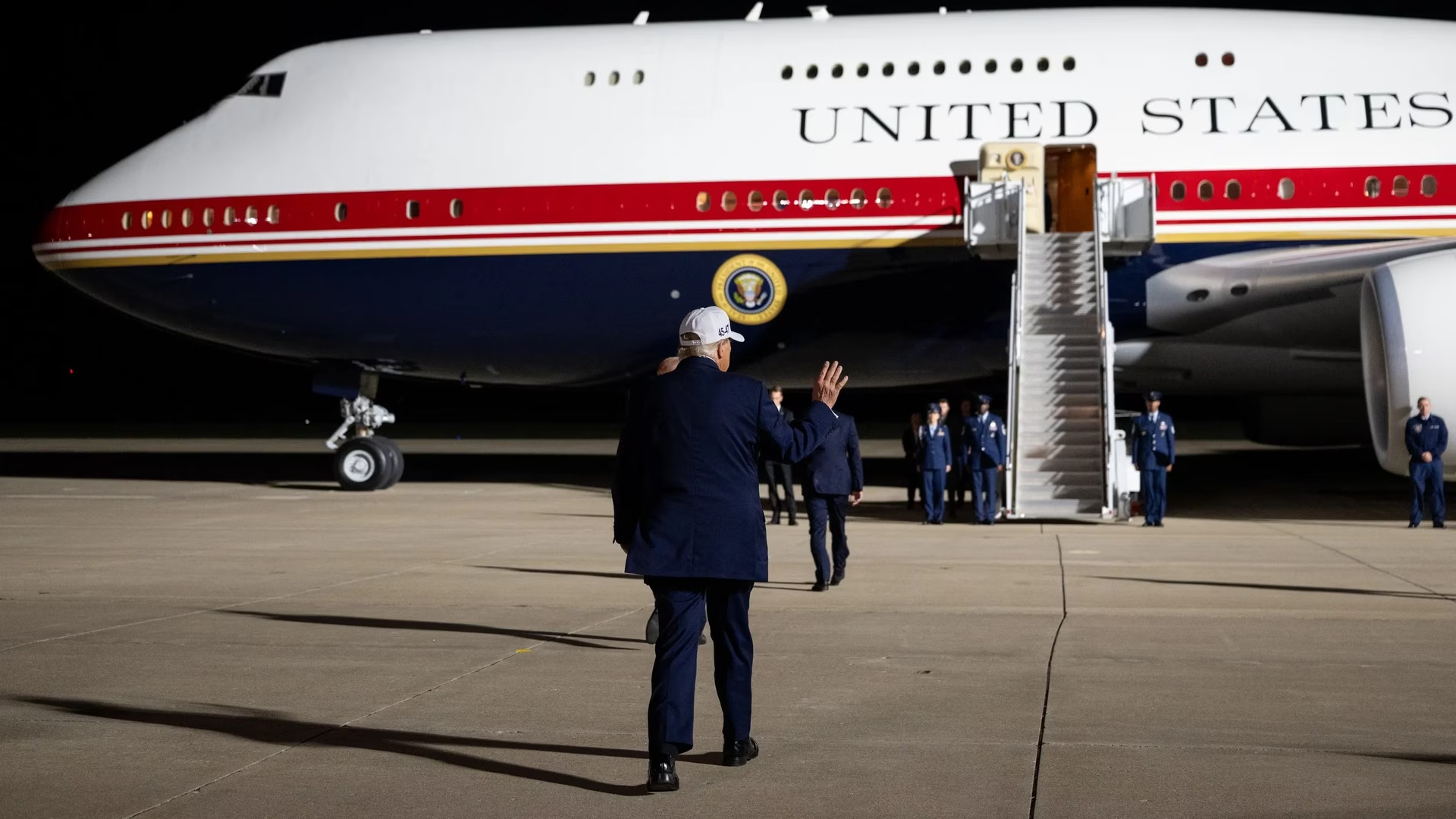
Image: courtesy of Thenextweb
Elon Musk and US Executives Head to Shenzhen for APEC as Silicon Valley Prepares for High-Stakes Diplomacy
As executives from Tesla, Baidu, and financial institutions gather in Shenzhen for the Asia-Pacific Economic Cooperation CEO summit, the intersection of corporate power and geopolitical friction takes center stage. While Elon Musk is expected to join the official US delegation alongside President Donald Trump, uncertainty surrounds other key tech leaders like Nvidia's Jensen Huang, highlighting the complex dance between American industrial giants and Beijing.
Outlook
Background
The summit arrives at a tense moment for international commerce, characterized by overlapping regulatory barriers, semiconductor restrictions, and shifting trade policies. Tesla's heavy reliance on its Shanghai Gigafactory makes Musk a frequent participant in Sino-American diplomatic missions, even as other technology leaders face severe political headwinds. Notable names on the delegation roster include executives from Visa, Mastercard, UPS, Google, and Boeing, alongside major professional services firms such as PwC and Deloitte. However, the conspicuous absence of clear scheduling or communication from Beijing regarding certain high-profile figures, including Nvidia chief Jensen Huang, underscores how tightly controlled and politically sensitive corporate access has become.
See also
Precedents
High-level summits between American industrialists and Chinese leadership have historically served as shock absorbers during periods of intense geopolitical friction. When corporate leaders accompany heads of state, the primary objective is often establishing informal backchannels to protect manufacturing supply lines and market access. Past delegations—including a similar business trip earlier in 2026—demonstrated that while governments impose tariffs and export bans, multinational corporations continuously lobby to carve out exemptions for critical hardware, automotive components, and digital services. Yet, these diplomatic efforts operate under shrinking margins as national security policies increasingly override commercial interests.
For everyday investors, workers, and consumers, the meetings in Shenzhen represent the fragile baseline of global technology supply chains. When companies like Tesla and Nvidia negotiate across national boundaries, the resulting agreements dictate everything from consumer electronics pricing to enterprise artificial intelligence deployment schedules. The summit exposes the reality that modern technology giants cannot escape geopolitical gravity, no matter how globalized their revenue models appear on paper.
Scenarios
AnalysisOne possible outcome is that bilateral talks yield narrow assurances on digital trade rules and safe AI development, offering temporary relief to multinational firms facing regulatory uncertainty. Alternatively, institutional friction and a lack of clear scheduling from Beijing could result in stalled discussions, signaling a hardening of technological decoupling between the United States and China.
Timeline
November 17, 2026
Delegation Arrivals
US business leaders and presidential delegation members begin arriving in Shenzhen ahead of the official summit opening.
November 18, 2026
Summit Opening and Keynote
Chinese President Xi Jinping delivers the opening keynote address at the Qianhai International Convention Center, launching two days of panels on trade and AI.
November 19, 2026
Concluding Panels and Bilateral Discussions
Delegates participate in closed-door sessions focusing on digital economy frameworks and cross-border supply chain resilience.
Frequently Asked Questions
The summit focuses on international trade, digital connectivity, and the safe development of artificial intelligence, bringing together regional leaders and executives from over 100 Fortune Global 500 companies.
Discussion
Be the first to share your thoughts.