
Recruits entering basic training across the Army, Navy, and Air Force will now be required to receive a flu shot. This immediate re-implementation of the mandate reflects a clear prioritization of collective health and operational readiness within the military. For those currently in training, it means a rapid vaccination drive will be underway to prevent further spread of the virus and mitigate future outbreaks. The short-term focus will be on containment and ensuring the health of the training pipeline, which is critical for maintaining military strength. The immediate effect is that individual branches now have the authority, and the directive, to enforce these vaccinations, overriding the earlier optional status.
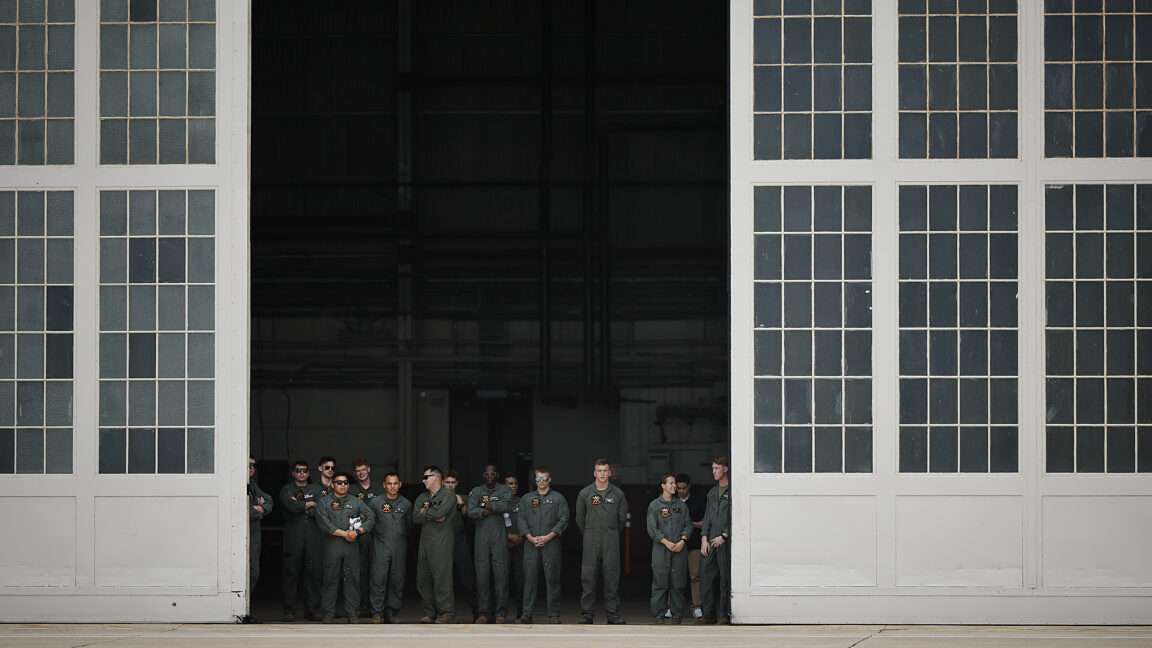
Image: courtesy of Ars Technica
Pentagon Reinstates Mandatory Flu Shots for Recruits After Rapid Outbreak at Lackland Air Force Base
The U.S. military has swiftly reversed a recent policy, reinstating mandatory influenza vaccinations for all new recruits. This decision comes less than two months after Defense Secretary Pete Hegseth made the shots optional, a policy change that was quickly followed by a significant flu outbreak at Lackland Air Force Base in Texas, sickening hundreds and leading to at least one death.
Outlook
Background
The decision to reinstate mandatory flu shots marks a sharp reversal of a policy enacted by Defense Secretary Pete Hegseth less than two months prior. Hegseth's original directive had shifted flu vaccinations from a requirement to an optional measure for service members. This change was met with internal concerns, with the Air Force, for instance, reportedly requesting a return to mandatory shots weeks before the outbreak at Lackland Air Force Base began.
The outbreak itself hit basic military training at Lackland Air Force Base, a critical entry point for new Air Force personnel. At least 222 recruits were confirmed sickened, though some reports indicate the number climbed to over 275. Four individuals required hospitalization, and one death was reported, underscoring the severity of the virus's impact within the close quarters of a training environment. Under the optional policy, only about 40% of new trainees at Joint Base San Antonio, which includes Lackland, had received a flu shot. Pentagon spokesperson Sean Parnell confirmed that the individual services had already been granted exceptions to Hegseth's policy, allowing them to restore the mandate for their trainees.
Precedents
The U.S. military has a long-standing history of mandatory vaccination programs, driven by the need to protect troop health and maintain operational readiness. Historically, outbreaks of infectious diseases have proven devastating to military forces, particularly in training environments or during deployments where close living conditions accelerate transmission. From smallpox and yellow fever in earlier centuries to measles and mumps in more recent times, vaccines have been a cornerstone of military public health. The institution's approach is typically pragmatic: if a disease poses a significant threat to the force, vaccination becomes a requirement, not a choice. The swiftness of this reversal for the flu shot mandate mirrors past instances where policy adjustments were made in direct response to immediate, demonstrable health threats. It highlights a recurring tension between individual medical autonomy and the collective imperative of mission readiness within a hierarchical structure.
This policy reversal is more than a minor administrative change; it touches on fundamental issues of public health, military readiness, and the balance of individual liberty against institutional necessity. For the military, a flu outbreak of this scale directly impacts its ability to train and deploy personnel, creating bottlenecks in the pipeline for new recruits. A single death, coupled with hundreds of illnesses and hospitalizations, represents a tangible cost in human lives and medical resources.
Beyond the immediate health crisis, the episode underscores the potential vulnerability created when established public health safeguards are relaxed. The low vaccination rate among new trainees at Lackland — around 40% — suggests that an optional policy, even with education campaigns, may not achieve the necessary herd immunity in high-density settings. This has broader implications for how military leaders will approach future public health policies, particularly concerning other infectious diseases. The quick U-turn also signals that, when faced with immediate and severe consequences, the Pentagon will prioritize the health and operational capacity of its force above all else, even at the cost of reversing a recently announced policy.
Scenarios
AnalysisThe most immediate outcome is a rapid increase in flu vaccination rates among military recruits. This should help to contain the current outbreak and reduce the risk of similar large-scale infections in the coming flu seasons. The incident may also prompt a broader review within the Pentagon regarding its overall approach to vaccine mandates, particularly for diseases that pose a perennial threat to troop readiness.
One possible outcome is that the military's medical and leadership branches will push for more direct authority over health policy, especially for recruits in basic training, to prevent similar situations. This could lead to a more entrenched position on mandatory vaccinations across the board, potentially making it harder for future administrations to introduce optional policies for common infectious diseases. Another possibility is that this event will fuel ongoing debates about vaccine mandates in the wider public, with military policy often being seen as a bellwether for national health security approaches.
Conversely, the incident could be framed as an isolated event, a sharp but temporary correction to a policy that proved immediately unworkable. In this scenario, while flu shots remain mandatory for recruits, there might not be a sweeping re-evaluation of other vaccine-related policies unless similar, severe outbreaks occur.
Timeline
2026-04
Defense Secretary Hegseth Makes Flu Shots Optional
Defense Secretary Pete Hegseth announces a new policy making flu vaccinations optional for all U.S. military personnel, reversing a long-standing mandate.
2026-05
Air Force Requests Reinstatement of Mandate
Weeks before a major outbreak, the U.S. Air Force reportedly requests to bring back mandatory flu shots for its recruits, indicating internal concerns about the optional policy.
2026-06-01
Flu Outbreak Begins at Lackland Air Force Base
A worsening flu outbreak begins among recruits attending basic military training at Lackland Air Force Base in Texas.
2026-06-24
Military Reinstates Mandatory Flu Shots
After at least 222 recruits are sickened, four hospitalized, and one death reported in the Lackland outbreak, the Army, Navy, and Air Force reinstate mandatory flu vaccinations for all basic trainees, with exceptions granted by the Pentagon.
Frequently Asked Questions
Defense Secretary Pete Hegseth had previously issued a policy making flu vaccinations optional for military personnel, reversing a long-standing requirement. The specific reasoning for this initial change was not detailed in the provided context.
Discussion
Be the first to share your thoughts.