
Veridact
TechSportsFinanceGaming🎯 PredictionsAbout
Sign InSign Up
Veridact

Analysis before the headline. Veridact examines technology, finance, sports, and gaming events before they unfold through forecasting, probability modeling, historical precedent, and public prediction tracking.

Stay ahead of what's next

Forecasts, analysis, and prediction updates delivered to your inbox.

Coverage

  • Tech
  • Sports
  • Finance
  • Gaming

Company

  • About Us
  • Privacy Policy

© 2026 Veridact. Forecasting & analysis platform.

Content may include AI-assisted research and analysis. Predictions and opinions should not be considered financial, legal, medical, or investment advice.

tech
Elon Musk denies Tesla’s Autopilot caused crash that killed grandmother

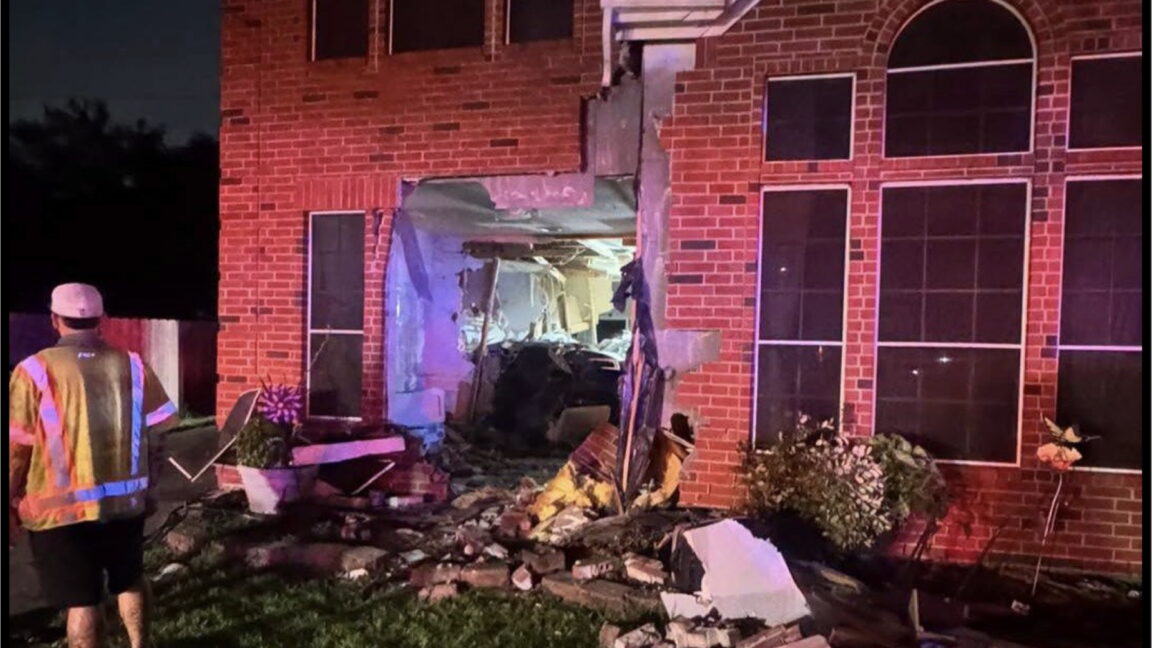
Image: courtesy of Ars Technica

techJune 25, 2026By Veridact EditorialUpdated Jun 25

Elon Musk Denies Tesla Autopilot Role in Fatal Texas Crash Amid Lawsuit

Elon Musk has publicly denied that Tesla's Autopilot system was responsible for a fatal crash in Texas that killed a grandmother, Martha Avila, on Friday night. The denial comes as Avila's family filed a lawsuit this week against Tesla, alleging design flaws in the Model 3's automated assist mode. Tesla, for its part, has attributed the incident to driver error, specifically claiming the driver pressed the accelerator. This sets the stage for a high-stakes legal battle that could redefine accountability for advanced driver-assistance systems.

Outlook

The immediate aftermath of the crash and Elon Musk's direct denial has escalated what might have been a routine investigation into a significant legal and public relations challenge for Tesla. The family's lawsuit, filed in Harris County District Court, seeks more than $1 million in damages, arguing the company failed to address design flaws in its Autopilot system. This complaint forces Tesla to mount a robust defense against claims of negligence and product defect.

Authorities are actively investigating the crash, and their findings will be critical. The National Highway Traffic Safety Administration (NHTSA) is also likely to examine the incident closely, given its mandate to ensure vehicle safety and its ongoing scrutiny of Tesla's driver-assist technologies. The conflicting narratives — the driver's claim of Autopilot use versus Tesla's insistence on driver accelerator input — mean a detailed technical analysis of the vehicle's data logs will be central to resolving the dispute. This data, often referred to as the 'black box' of modern vehicles, records critical information about vehicle speed, steering, braking, and accelerator pedal position, as well as the status of driver-assist features.

Background

The crash occurred on Friday night when a Tesla Model 3, driven by Michael Butler, veered off the road and collided with the home of 76-year-old Martha Avila in Texas. Avila was airlifted to a hospital but later died from her injuries. The driver, Butler, reportedly told Harris County sheriff’s deputies that the vehicle was operating on Autopilot at the time of the incident. This statement quickly circulated, fueling broader discussions about the safety and reliability of Tesla's driver-assist features.

However, Tesla has pushed back forcefully on this account. The company's position, echoed directly by CEO Elon Musk, is that the driver was at fault for pressing the accelerator, implying that Autopilot was not engaged or was overridden. This counter-claim is consistent with Tesla's historical stance in similar incidents, where it often emphasizes that Autopilot is a driver-assist system requiring active supervision and that drivers remain ultimately responsible for vehicle operation.

The family's lawsuit disputes this, alleging that the Model 3's automated assist mode was defective, contributing directly to the crash. This legal action moves the debate from public speculation to a formal courtroom setting, where detailed evidence and expert testimony will be presented by both sides. The legal process will likely scrutinize Tesla's design decisions, its marketing of Autopilot capabilities, and the system's performance in real-world conditions.

Precedents

Tesla has faced numerous investigations and lawsuits related to its Autopilot and Full Self-Driving (FSD) systems. U.S. auto-safety regulators have opened investigations into a number of fatal crashes involving Tesla vehicles where Autopilot was suspected of being active. These investigations often focus on how the system detects obstacles, how it responds to unusual road conditions, and the effectiveness of its driver monitoring capabilities.

One notable precedent is a lawsuit settled in California in 2024. That case involved a fatal 2018 incident where Autopilot allegedly failed to detect a highway barrier, resulting in a death. While the specifics of settlements are often confidential, the mere fact of a settlement suggests a corporate strategy to manage legal exposure rather than risk a protracted public trial that could set broader legal precedents or damage brand reputation.

These patterns indicate a recurring tension: the public and some regulators view Tesla's systems with skepticism, particularly regarding their 'self-driving' nomenclature, while Tesla maintains that its technology is safe when used as intended, with the driver always in control. This dynamic has led to a patchwork of regulatory scrutiny and a series of individual legal battles, rather than a clear, overarching legal framework for autonomous vehicle liability.

This case is more than a single tragic accident; it represents a critical juncture for the future of autonomous driving technology and corporate accountability. The outcome of the Avila family's lawsuit against Tesla could have far-reaching implications, extending beyond financial damages.

First, it could influence how car manufacturers design and market advanced driver-assistance systems. If a court finds Tesla liable, even partially, it could compel the company and its competitors to implement more robust safety features, clearer warnings, or even limit certain functionalities until they are proven safer. This would directly impact product development cycles and investment strategies across the automotive industry.

Second, the legal precedent established in this case could shape future legislation and regulatory oversight for autonomous vehicles. Governments worldwide are grappling with how to regulate these rapidly evolving technologies. A high-profile ruling could provide a legal framework for determining liability in crashes involving AI-driven systems, clarifying the roles of software, hardware, and human drivers.

Finally, and perhaps most importantly, this incident will inevitably affect public trust in autonomous vehicle technology. Every high-profile crash involving driver-assist systems erodes confidence, potentially slowing adoption and creating headwinds for innovation. For consumers, the central question remains: who is truly in control, and who is responsible when things go wrong? This lawsuit aims to provide one answer, with consequences for every driver, pedestrian, and technology company.

Scenarios

Analysis

The legal and regulatory path ahead for Tesla and the Avila family is complex, with several potential outcomes:

1. Tesla Prevails on Driver Error: Tesla could successfully argue that Michael Butler, the driver, was solely responsible for the crash by overriding Autopilot or failing to maintain control, perhaps by pressing the accelerator as the company claims. If the vehicle's data logs support this, the lawsuit against Tesla could be dismissed or ruled in the company's favor. This outcome would reinforce Tesla's position on driver responsibility and potentially deter future lawsuits based on similar claims.

2. A Settlement is Reached: Given the high-profile nature of the case, the emotional stakes, and Tesla's history of settling similar lawsuits, a confidential out-of-court settlement remains a strong possibility. This would allow both parties to avoid a lengthy and potentially damaging public trial, offering the family compensation while allowing Tesla to manage its legal exposure without a definitive court ruling on Autopilot's alleged defects. This is a common strategy in complex product liability cases.

3. Tesla is Found Partially or Wholly Liable: The court could find that Autopilot had design flaws, failed to perform as advertised, or that Tesla's marketing created an unsafe expectation about the system's capabilities. A ruling against Tesla could lead to significant financial damages for the family and could force the company to issue recalls, modify its systems, or change its public messaging about Autopilot and FSD. This outcome would send a clear signal to the entire autonomous vehicle industry about the legal responsibilities of manufacturers.

4. Increased Regulatory Scrutiny and Action: Regardless of the lawsuit's outcome, the ongoing investigation by authorities and the public attention surrounding this crash could prompt increased regulatory action from bodies like NHTSA. This might manifest as new safety standards, stricter testing protocols for driver-assist systems, or clearer guidelines on how these technologies can be advertised and deployed. Such actions could impose new operational constraints and compliance costs on Tesla and its competitors.

Timeline

2026-06-21
Fatal Crash Occurs
A Tesla Model 3 crashes into a Texas home on Friday night, killing 76-year-old Martha Avila. The driver, Michael Butler, reportedly tells deputies the vehicle was on Autopilot.
2026-06-24
Lawsuit Filed
The family of Martha Avila files a lawsuit in Harris County District Court against Tesla, alleging the Model 3's automated assist mode was defective and seeking over $1 million in damages.
2026-06-24
Elon Musk Denies Fault
Elon Musk publicly denies that Tesla’s Autopilot caused the crash, while Tesla blames driver error, stating the driver pressed the accelerator.

Frequently Asked Questions

Tesla Autopilot is a suite of advanced driver-assistance system (ADAS) features that enable the car to steer, accelerate, and brake automatically within its lane. It does not make the car fully autonomous; drivers are required to remain attentive and prepared to take over at all times.

Discussion

0/100
0/1000

Be the first to share your thoughts.

Related Coverage

tech

Washington's Chip War Pits Security Against European Industry, With ASML at the Center

Jun 25
tech

Micron Technology Emerges as Key Beneficiary in Deepening Global Memory Chip Shortage

Jun 25
tech

Samsara Deploys New Bluetooth Labels to Combat Surging Cargo Theft

Jun 25
tech

Pentagon Reinstates Mandatory Flu Shots for Recruits After Rapid Outbreak at Lackland Air Force Base

Jun 25

Stay ahead of the story

AI analysis delivered before events unfold. No spam.

ⓘ

Methodology: Veridact combines public data, historical precedent, and analytical models to evaluate the likelihood of future outcomes.