
The extension of the Windows 10 ESU program means that eligible PCs will continue to receive 'critical' and 'important' security updates, as defined by the Microsoft Security Response Center (MSRC), until October 12, 2027. This is a crucial distinction: the program focuses exclusively on patching security vulnerabilities to protect against malware and cyber threats. It does not, however, include any new feature developments, design changes, or technical support beyond security-related issues. For consumers, the first year of this extended security update program will be available at no charge. This is a significant departure from previous ESU models, which were typically paid-only. Businesses and enterprise customers, on the other hand, will still need to enroll their devices in the paid ESU subscription service if they wish to continue receiving these updates beyond the original October 14, 2025, end-of-support date. The pricing structure for enterprise ESU typically involves an annually increasing fee for up to three years of coverage. This extension effectively adds a fourth potential year of security patches for those willing to pay. The primary goal, as articulated by Microsoft, is to provide users with more flexibility and time to migrate to Windows 11, particularly for those considering new 'Copilot+ PCs' or other Windows 11 hardware.
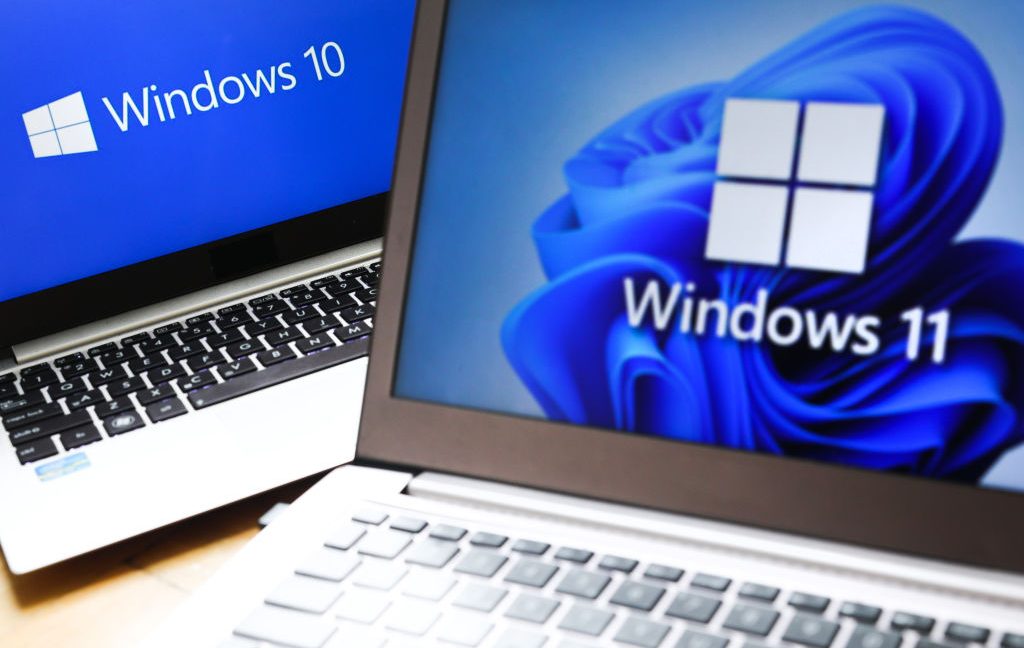
Image: courtesy of Ars Technica
Windows 10 Security Updates Extended Until October 2027: Microsoft Offers More Time for Upgrades
Microsoft has granted Windows 10 users an additional year of security updates through its Extended Security Updates (ESU) program, pushing the effective end-of-life for critical patches to October 12, 2027. This move, announced on June 25, 2026, offers a reprieve for both consumers and businesses still running the decade-old operating system, giving them more time to transition to Windows 11 amidst slower-than-anticipated adoption rates.
Outlook
Background
The decision to extend Windows 10's security lifeline is not a sudden one, but rather a pragmatic response to several converging realities. Windows 10, first released in 2015, remains a dominant operating system globally, with hundreds of millions of active users. Its official end-of-support date was set for October 14, 2025, a deadline that has loomed large for IT departments and individual users alike. However, the adoption rate of Windows 11, released in late 2021, has not met Microsoft's more ambitious targets. While Windows 11 has seen steady growth, it has not replicated the rapid migration waves seen with previous Windows versions. This slower pace can be attributed to several factors: stringent hardware requirements for Windows 11 (especially regarding Trusted Platform Module 2.0 and specific CPU generations), the sheer scale and complexity of enterprise migrations, and a general user inertia among those content with Windows 10's stability and feature set. For large organizations, upgrading thousands or even tens of thousands of machines involves significant logistical planning, hardware refreshes, application compatibility testing, and substantial financial investment. The initial deadline of October 2025 was proving to be a tight squeeze for many. By extending the ESU program, Microsoft acknowledges these operational constraints and offers a crucial breathing room, ensuring that a massive installed base does not suddenly become vulnerable to security exploits. The company is balancing its strategic push for Windows 11 with the practical necessity of maintaining security for its existing customer base, preventing a potential cybersecurity crisis that could erode trust in the entire Windows ecosystem.
Precedents
Microsoft has a well-established history of managing the end-of-life cycles for its operating systems, and extensions are not entirely without precedent, especially for widely adopted versions. One of the most prominent examples is Windows XP. Despite its initial end-of-support in 2014, Microsoft offered custom support agreements for enterprise customers for several years beyond that, recognizing the vast number of systems, particularly in critical infrastructure and government, that were still running XP. Similarly, Windows 7, which reached its end of mainstream support in 2015, also saw an ESU program that extended security updates until January 2023 for those willing to pay. These historical patterns reveal a consistent tension for Microsoft: the desire to push users to newer, more secure, and feature-rich versions of Windows, versus the practical realities of a massive, diverse user base with varying upgrade capabilities and incentives. The company understands that forcing a premature or unmanageable migration can lead to widespread security vulnerabilities, user frustration, and even potential legal or compliance issues for businesses. The current extension for Windows 10, particularly the provision of a free year for consumers, suggests a more proactive and user-friendly approach compared to some past transitions. It indicates Microsoft's recognition of the unique challenges in moving from Windows 10, a near-ubiquitous OS, to Windows 11, which has faced higher adoption hurdles.
This extension for Windows 10 carries significant implications across the technology landscape, affecting consumers, businesses, and Microsoft itself. For individual consumers, the announcement is a clear win. It means their Windows 10 devices will remain secure against critical threats for an additional year, free of charge, past the original October 2025 deadline. This removes immediate pressure to upgrade hardware or software, allowing more time to save for a new device or simply continue using a perfectly functional PC. However, it also serves as a firm reminder that Windows 10's lifecycle is finite, and a transition will eventually be necessary. For businesses, particularly small and medium-sized enterprises (SMBs) and larger corporations, this provides much-needed relief. Migration projects for hundreds or thousands of devices are complex, costly, and time-consuming. The extra year allows IT departments to refine their Windows 11 deployment strategies, manage hardware refresh cycles more effectively, and ensure application compatibility without the immediate threat of unsupported, vulnerable systems. This could save significant resources and reduce operational risk. However, it also presents a potential cost for those who opt into the paid ESU program for multiple years, adding another line item to their IT budgets. From Microsoft's perspective, the extension is a strategic concession. While it might slow down the immediate push to Windows 11, it maintains the security integrity of the broader Windows ecosystem, preventing a fragmented and vulnerable user base. A large number of unsecured Windows 10 PCs could become a breeding ground for cyberattacks, ultimately damaging Microsoft's reputation and potentially impacting its newer products. The move also aims to keep users within the Microsoft ecosystem, rather than prompting them to explore alternative operating systems. It also creates a revenue stream from enterprise ESU subscriptions, which can offset some of the costs of maintaining security for an older OS. Ultimately, the decision highlights the immense challenge of orchestrating a global operating system transition and Microsoft's willingness to adapt its timeline to market realities and customer needs.
Scenarios
AnalysisThe extension of Windows 10's ESU program opens up several possible scenarios for the coming years:
* Gradual Windows 11 Adoption Continues: The most immediate outcome is likely a continued, but still gradual, migration to Windows 11. The extra time alleviates the immediate pressure, allowing users and businesses to plan their upgrades more thoughtfully. We may see a slight dip in upgrade urgency in the short term, but the underlying trend towards Windows 11, driven by new hardware and Microsoft's continued investment in the newer OS, is expected to persist.
* Increased ESU Enrollment for Businesses: Many businesses, especially those with complex IT environments or budget constraints, may opt to enroll in the paid ESU program for one or more years. This allows them to maintain security compliance while deferring the significant cost and logistical challenges of a full Windows 11 migration. This could translate into a notable revenue stream for Microsoft from its enterprise clients.
* Focus on Copilot+ PCs as a Migration Catalyst: Microsoft's recent emphasis on 'Copilot+ PCs' – devices designed with AI capabilities and optimized for Windows 11 – could become a stronger migration incentive. As the ESU deadline for Windows 10 approaches again in 2027, the appeal of new hardware bundled with advanced AI features may drive more users to make the jump to Windows 11, especially if older Windows 10 machines struggle with modern AI workloads.
Further Extensions Become a Possibility (Speculative): While the current extension provides significant breathing room, if Windows 11 adoption rates do not accelerate substantially by late 2027, or if unforeseen global events disrupt upgrade cycles, Microsoft could* face pressure to offer yet another extension. Historical precedent with Windows XP and 7 suggests that managing a massive, entrenched user base often requires flexibility, even if it deviates from the company's long-term strategic goals. This would, however, be an increasingly expensive and complex endeavor for Microsoft, and it would likely be a last resort.
* Growing Security Concerns for Unsupported Systems (Post-2027): For those users and organizations who choose not to upgrade to Windows 11 and also decline the paid ESU program, their Windows 10 machines will become increasingly vulnerable after October 2027. This could lead to a growing population of unsupported devices, posing a wider cybersecurity risk across the internet, similar to the challenges faced after Windows XP's final end of support.
Timeline
Frequently Asked Questions
Discussion
Be the first to share your thoughts.