
The immediate future hinges on the public comment period, which began on July 28, 2026, and will run for 30 days. During this time, various stakeholders, including environmental organizations, industry leaders, and the public, will submit their feedback on the proposed rule. After this period, the FAA will review the comments before making a final decision on whether to adopt, modify, or withdraw the rule. Given the contentious nature of environmental policy, a swift, unchallenged implementation is unlikely. Instead, the process will likely involve detailed review and potential adjustments based on the weight of public and expert input.
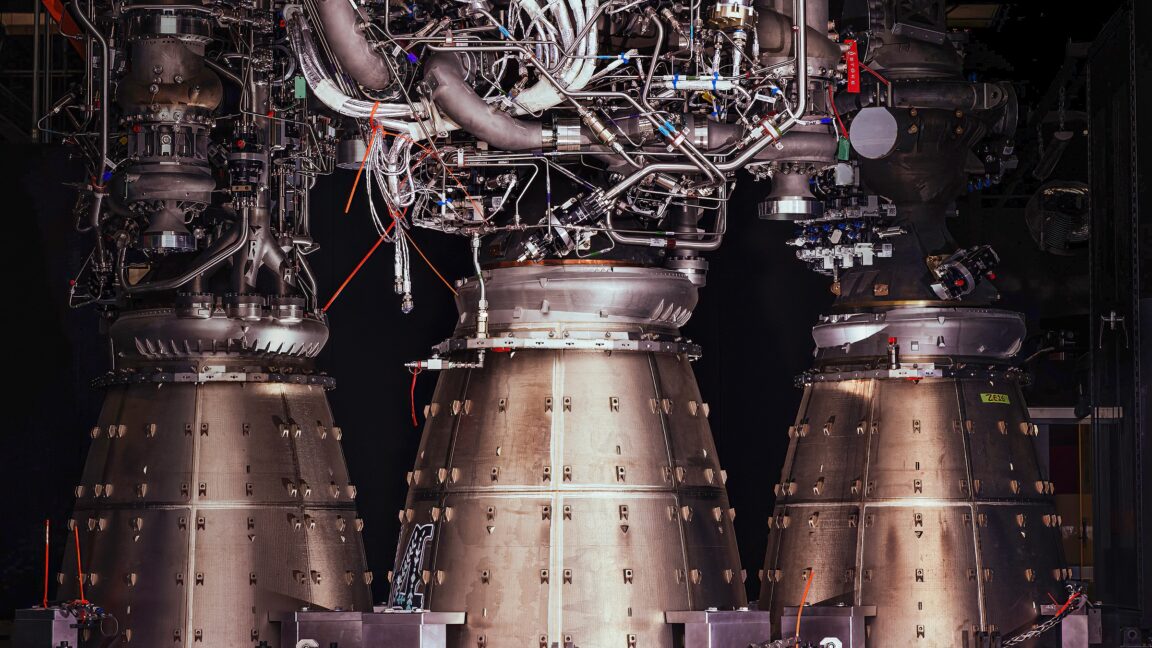
Image: courtesy of Ars Technica
The FAA's New Launch Rules: Balancing Space Ambition Against Environmental Oversight
The Federal Aviation Administration (FAA) has proposed a new rule that would exempt commercial space launch and reentry operations from certain environmental regulations. This move, announced by the Trump administration on Tuesday, July 28, 2026, aims to streamline the approval process for private space companies like SpaceX and Blue Origin, which have long advocated for reduced regulatory hurdles. The proposal is now subject to a 30-day public comment period, during which environmental groups are expected to voice strong opposition.
Outlook
Background
For years, the commercial space industry has argued that the existing environmental review process for launch licenses is overly burdensome and slow. Companies often face extensive paperwork and prolonged waiting periods, even for routine launches of established vehicles. The proposed FAA rule seeks to address these concerns by allowing the agency to waive certain environmental laws and regulations, particularly for repeat launches where the environmental impact is considered well-understood or minimal.
This initiative aligns with the Trump administration's broader push to reduce regulatory burdens across various sectors, framing such actions as essential for economic growth and maintaining America's competitive edge in industries like space. Proponents of the rule, including industry figures like SpaceNews analyst Bill Platt, argue that requiring the same level of environmental review for the 200th launch of a Falcon 9 as for the very first launch of a new vehicle is inefficient. They contend that once a vehicle's environmental impact is proven consistent, subsequent launches should not require redundant assessments.
However, environmental advocates counter that even routine launches can have cumulative environmental effects, particularly on local ecosystems, air quality, and noise pollution. They express concern that exempting these operations could lead to unchecked environmental degradation, especially as the frequency of commercial space launches increases. The debate centers on how to define 'unnecessary' regulations without compromising public health and safety or long-term ecological well-being.
Precedents
The tension between fostering industrial growth and upholding environmental protections is not new in U.S. policy. Throughout history, administrations have swung between prioritizing deregulation to spur economic activity and strengthening oversight in response to environmental concerns. In the context of space, early rocket launches were largely government-driven and often exempted from civilian environmental regulations under national security pretexts. As commercial space has grown, the regulatory framework has had to adapt, often piecemeal.
Past attempts to streamline regulations have frequently met with legal challenges and public outcry, particularly when they involve areas of significant environmental sensitivity. The commercial space industry itself has seen rapid growth, with companies like SpaceX and Blue Origin pushing the boundaries of launch frequency and vehicle size. This accelerated pace naturally brings greater scrutiny to the environmental footprint of these operations, from launch site impacts to atmospheric emissions. The current proposal echoes previous efforts to accelerate infrastructure projects by limiting environmental review, a pattern that consistently generates strong political and legal contention.
The proposed FAA rule carries significant implications for the future trajectory of the commercial space industry and the effectiveness of environmental governance. For space companies, quicker approvals could translate directly into faster development cycles, more frequent launches, and potentially lower operational costs, thereby enhancing their competitiveness globally. This could accelerate innovation in areas like satellite deployment, space tourism, and lunar missions.
Conversely, for environmental groups and communities near launch sites, the rule represents a potential rollback of protections. It raises questions about accountability, the long-term ecological impact of increased launch activity, and the precedent it sets for other industries. The outcome of this debate could redefine the balance between national economic and technological ambition and the stewardship of natural resources. It also tests the limits of executive power in modifying regulatory frameworks without extensive legislative input, setting a benchmark for how future administrations might approach similar trade-offs.
Scenarios
AnalysisOne possible outcome is that the FAA, after reviewing public comments, may proceed with implementing the rule largely as proposed. This would likely be met with legal challenges from environmental organizations, potentially leading to lengthy court battles that could delay or even overturn the rule. Such a scenario would create ongoing uncertainty for space companies regarding the stability of their regulatory environment.
Alternatively, the FAA could choose to modify the rule significantly, incorporating some of the concerns raised during the public comment period. This might involve narrower exemptions, clearer criteria for what constitutes an 'unnecessary' environmental review, or specific mitigation requirements. This approach could seek a middle ground, aiming to accelerate approvals without completely dismantling environmental oversight, potentially reducing the likelihood of successful legal challenges but still facing criticism from both sides.
A third, less likely, outcome is that the FAA might withdraw the proposal entirely if public opposition is overwhelming or if the legal risks are deemed too high. This would leave the existing regulatory framework in place, potentially frustrating industry calls for reform but maintaining the status quo for environmental protections.
Timeline
2026-07-28
Trump Administration Announces Proposal
The Trump administration announces a proposed FAA rule to exempt commercial space launches from certain environmental regulations, citing the need to speed up approvals for companies like SpaceX and Blue Origin.
2026-07-28
Public Comment Period Begins
A 30-day public comment period officially opens, allowing stakeholders and the public to submit feedback on the FAA's proposed rule regarding environmental exemptions for commercial space launches.
2026-08-27
Public Comment Period Ends
The 30-day window for public input on the proposed FAA rule is scheduled to close. Following this, the FAA will begin reviewing all submitted comments.
TBD
FAA Review and Decision
Following the comment period, the FAA will review all feedback and decide whether to adopt the rule as proposed, modify it, or withdraw it. The timeframe for this decision is not yet specified.
Frequently Asked Questions
The proposed rule aims to exempt commercial space launch and reentry operations from certain environmental regulations, particularly those that require extensive review for routine missions. The goal is to speed up the licensing process for private space companies.
Discussion
Be the first to share your thoughts.