
The backlash from drivers and fans at the Belgian Grand Prix is likely to intensify discussions within Formula 1's governing bodies and among teams regarding the optimal balance between advanced technology and human skill. We can expect closer scrutiny of how machine learning algorithms influence car performance, particularly in areas like energy recovery and aerodynamic efficiency. There may be calls for regulatory adjustments to ensure the technology enhances, rather than detracts from, the spectacle and competitive integrity of the sport. Teams, meanwhile, will face pressure to re-evaluate their algorithmic strategies, potentially shifting focus from pure efficiency to factors that preserve driver agency and overall race excitement.
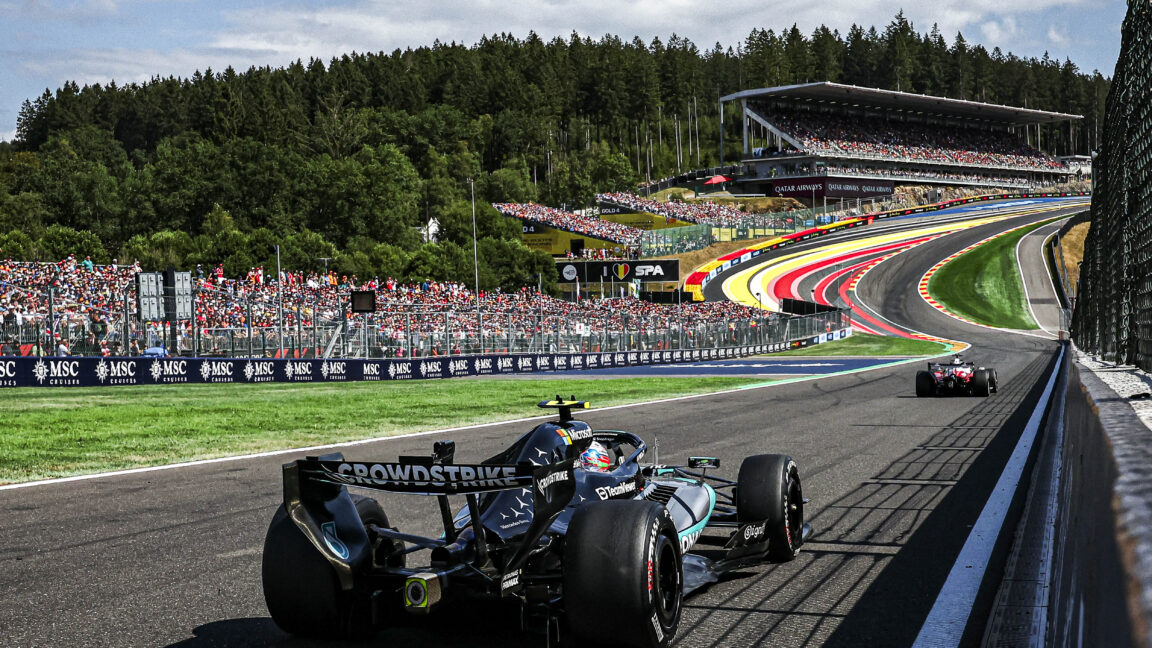
Image: courtesy of Ars Technica
F1's Algorithm Problem: When Optimization Threatens the Race Itself
Formula 1 drivers recently voiced strong criticism regarding machine learning algorithms, which they say are causing unexpected speed losses and fundamentally altering race strategies. The Belgian Grand Prix on July 19, 2026, became a focal point for this debate, as cars appeared slower and energy management systems dictated more of the driving experience. This tension highlights a growing conflict between technological advancement aimed at peak performance and the traditional spirit of Grand Prix racing.
Outlook
Background
On July 19, 2026, the Belgian Grand Prix at the iconic Circuit de Spa-Francorchamps saw Formula 1 drivers openly criticize the pervasive influence of machine learning algorithms on their cars. Reports from the track indicated that vehicles, including Kimi Antonelli's Mercedes-AMG F1 W17, were exhibiting unexpected speed losses. Drivers specifically pointed to the impact of energy management systems, which are increasingly controlled by these algorithms, as a primary factor affecting their performance and the overall feel of the race. The sentiment among some, reflected in the public discourse, was that these sophisticated systems were 'ruining the sport' by making cars less dynamic and the racing less engaging.
Machine learning (ML) has become a foundational element in modern Formula 1. Teams employ these algorithms across nearly every aspect of car development and race operations. In the design phase, ML helps simulate millions of airflow scenarios, rapidly identifying optimal aerodynamic configurations without the extensive time and cost of traditional wind tunnel testing. For car components, predictive maintenance algorithms analyze vast data sets to anticipate failures, ensuring reliability and maximizing track time. During races, ML informs strategy by processing real-time data on tire wear, fuel consumption, and competitor performance, guiding decisions on pit stops and power unit deployment. Looking ahead, ML is also being leveraged for sustainability initiatives, managing energy recovery systems, refining power unit strategies, and optimizing battery usage, as well as streamlining logistics and materials planning in the factory.
The core of the current controversy lies in the precise parameters these algorithms are optimized for. While designed to enhance performance and efficiency, the definition of 'performance' can be complex. If algorithms prioritize long-term energy conservation, tire longevity, or adherence to strict regulatory limits over momentary bursts of speed or aggressive driving lines, the resulting on-track behavior of the cars can feel constrained to drivers. This creates a disconnect between the machine's calculated 'best' outcome and the human desire for raw speed and uninhibited competition.
Precedents
Formula 1 has a long history of grappling with the impact of technology on racing. From the introduction of ground effect aerodynamics in the late 1970s to the active suspension systems of the early 1990s and the sophisticated hybrid power units of the 2010s, the sport has consistently pushed engineering boundaries. Each era of significant technological advancement has brought with it debates about fairness, driver skill, and the spectacle of racing. For instance, active suspension, while making cars incredibly fast, was eventually banned because it was seen as reducing the demand on driver skill and creating an unfair advantage for wealthier teams. Similarly, highly complex aerodynamic rules have often been tweaked to promote closer racing and more overtaking opportunities, sometimes at the expense of outright car performance.
The current situation with machine learning algorithms echoes these historical tensions. While ML offers undeniable benefits in terms of efficiency, reliability, and strategic depth, the concern that it might diminish the 'feel' for the driver or lead to a more constrained, less exciting race is not new. The sport has previously seen technologies that, while innovative, were perceived to dilute the human element or create an overly predictable outcome. The challenge for F1's governing body, the FIA, has always been to strike a delicate balance: fostering innovation while preserving the core tenets of competitive, driver-centric sport. This often involves a reactive cycle of technological introduction, public and participant feedback, and subsequent regulatory adjustments to guide the technology's application.
The criticism leveled at machine learning algorithms following the Belgian Grand Prix is more than just a passing complaint from a few drivers; it touches upon the fundamental identity of Formula 1. For decades, F1 has marketed itself as the pinnacle of motorsport, a blend of cutting-edge engineering and unparalleled human skill. When the technology, designed to enhance performance, is perceived by drivers and fans as detracting from the racing experience—making cars slower or less responsive—it directly challenges this core identity.
This debate has significant implications for several stakeholders. For the teams, it raises questions about their development priorities. Are they optimizing for technical efficiency at all costs, or for a more engaging race product? For drivers, it's about agency and the definition of skill. If algorithms dictate energy use and speed profiles to such an extent, how much 'driving' is truly left to the human behind the wheel?
For the FIA, the sport's regulator, this is a critical test. They must decide whether the current application of ML falls within acceptable boundaries, or if new rules are needed to either limit algorithmic control or redefine what 'performance optimization' means in the context of F1. The commercial appeal of F1 also hangs in the balance. If races become perceived as less exciting due to algorithmic control, fan engagement and viewership could decline, impacting sponsorship and broadcast revenues. The sport's ability to balance its technological ambition with its entertainment value will define its future trajectory.
Scenarios
AnalysisThe outcry following the Belgian Grand Prix could lead to several distinct paths for Formula 1 and its embrace of machine learning.
One possible outcome is that the FIA may introduce new regulatory frameworks to govern the extent and nature of algorithmic control within F1 cars. This could involve setting limits on how much energy management systems can override driver input, or perhaps defining specific parameters that algorithms must prioritize, such as maximizing peak speed or allowing for greater driver discretion in critical racing scenarios. Such regulations would aim to ensure that technology serves to augment, rather than diminish, the human element and the spectacle of racing. This would be a reactive measure, but one consistent with F1's history of adjusting rules in response to technological advancements that threaten the sport's balance.
Alternatively, teams might proactively adjust their machine learning strategies in response to driver feedback and public perception. Instead of solely optimizing for raw efficiency or regulatory compliance, they could begin to factor in 'driver feel' or 'race excitement' as key metrics in their algorithmic development. This would involve a more nuanced approach, where algorithms are designed not just to make the car faster or more efficient on paper, but to deliver a more aggressive or dynamic driving experience. This shift would reflect a recognition that the 'best' performance in F1 is not just about lap times, but also about the human-machine interaction and the entertainment value for fans.
A third scenario is that drivers themselves may eventually adapt to the new algorithmic reality. As the technology becomes more deeply integrated, drivers could evolve their techniques to work more harmoniously with the sophisticated systems, treating the algorithms as an advanced co-pilot rather than a restrictive force. This would involve a learning curve, where drivers develop new skills to manage and exploit the machine's logic to their advantage, potentially leading to a new definition of 'driver skill' in the age of AI-driven motorsport. This outcome, however, might take longer to materialize and may not satisfy those who yearn for a more 'pure' driving experience.
Timeline
2026-07-19
Belgian Grand Prix
F1 drivers openly criticized machine learning algorithms at the Circuit de Spa-Francorchamps, citing unexpected speed losses and the restrictive impact of energy management systems.
2026-07-20
Post-Race Commentary
Media reports and driver statements amplified the debate surrounding the role of machine learning in F1, with some suggesting algorithms were 'ruining the sport'.
2026-07-21
Ongoing Industry Debate
Discussions within F1 teams, the FIA, and among analysts begin to focus on potential regulatory changes and strategic adjustments to balance technological innovation with driver experience and race spectacle.
Frequently Asked Questions
Machine learning algorithms are used extensively in Formula 1 for various tasks, including optimizing car aerodynamics, predicting component failures for maintenance, fine-tuning race strategies (like pit stops and tire management), and managing complex energy recovery and power unit systems during a race. They analyze vast amounts of data to make predictions and decisions in real-time.
Discussion
Be the first to share your thoughts.