
Fans can expect a period of creative uncertainty surrounding The Vision. If the overhaul proceeds, there will likely be a new narrative arc establishing the faction's purpose and its new members, with LA Knight's involvement drawing particular attention. This could involve new alliances, rivalries, and a shift in the group's overall presentation. Conversely, if reports about ending the faction gain traction, its current storyline with Seth Rollins may conclude, paving the way for its members to pursue individual paths or join other storylines. The coming weeks should reveal WWE's definitive creative direction for the group.
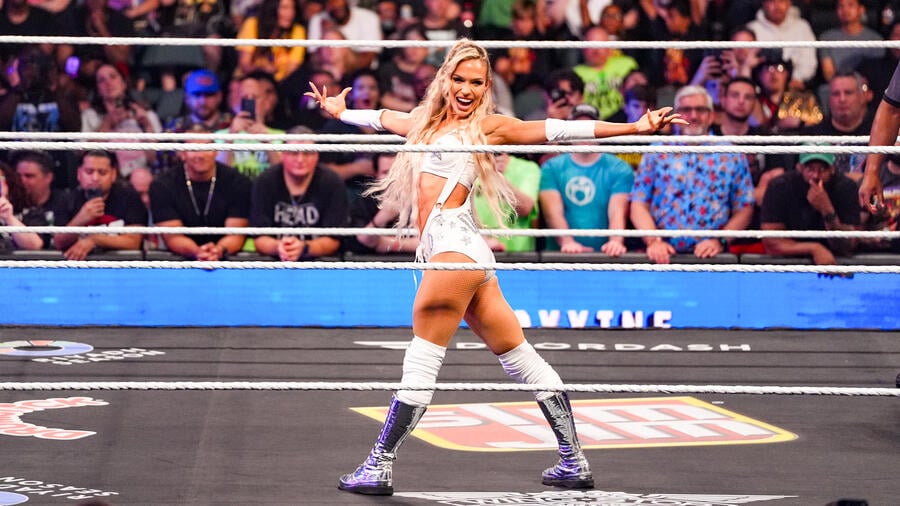
Image: courtesy of Sportsnaut
Reimagining 'The Vision': WWE's High-Stakes Bet on a Struggling Faction, With LA Knight in the Spotlight
WWE is reportedly considering a significant overhaul of its faction, The Vision, potentially introducing up to seven new members, including popular star LA Knight. Formed after WrestleMania 41 by Seth Rollins with initial members like Bron Breakker and Bronson Reed, the group has reportedly struggled to establish a clear direction, leading to discussions about either a complete reimagining or its dissolution. This reported move suggests WWE is attempting to salvage a high-profile concept that has not yet resonated as intended, placing a renewed emphasis on its creative strategy for factions and the utilization of key talent.
Outlook
Background
The Vision faction was reportedly formed by Seth Rollins following WrestleMania 41, with initial prominent members including Bron Breakker and Bronson Reed. Despite the high-profile talent involved, reports suggest the faction has struggled to find a clear direction or consistent narrative since its inception. This has led to discussions within WWE about its future. Some reports, surfacing yesterday on July 2, indicate a potential overhaul with the addition of new stars like LA Knight. However, other reports suggest the company might be considering ending the faction entirely after its current storyline with Rollins concludes. The reported addition of LA Knight, a popular and established solo act, indicates a significant creative investment in revitalizing the concept, rather than simply disbanding it. The context of 'injuries and leadership changes,' inferred from recent summaries, further complicates the faction's development, forcing WWE to adapt its plans.
See also
Precedents
Factions have a long and storied history in professional wrestling, often serving as crucial vehicles for storytelling and talent elevation. Groups like The Four Horsemen, D-Generation X, The Shield, and The Bloodline have defined eras and launched careers. Historically, successful factions provide members with a clear identity, collective purpose, and opportunities for shared narratives that can elevate multiple stars simultaneously. However, factions that lack clear leadership, consistent booking, or a compelling reason for existence often fizzle out, quickly becoming footnotes in wrestling history. WWE has a mixed track record with factions; some become iconic, while others are quickly forgotten or disbanded due to a lack of creative momentum or shifting priorities.
Reimagining or rebooting a struggling faction, rather than creating an entirely new one, is a less common but not unprecedented strategy. It carries the inherent risk of inheriting the previous iteration's baggage and fan apathy, making it harder to establish a fresh identity. However, this approach also offers the potential to leverage existing name recognition, however slight, and to salvage an initial creative investment. Such a move often indicates a creative team's desire to extract value from a concept, even if it requires a significant pivot, rather than admitting a complete creative misstep and starting from scratch.
This reported overhaul matters for several reasons, touching on WWE's creative strategy, talent management, and broader market appeal. For WWE, it represents an attempt to correct course on a high-profile storyline that reportedly hasn't delivered on its initial promise. Successfully reimagining The Vision could demonstrate creative agility and a willingness to adapt to fan reception, while failure could highlight deeper issues in long-term narrative planning and talent utilization. The decision to inject new life into an existing, struggling concept, rather than launching an entirely new one, also speaks volumes about the current creative priorities within the company.
For LA Knight, joining a faction, especially one requiring a reboot, presents a significant career inflection point. Knight has built substantial momentum as a charismatic solo act, connecting directly with fans. Integrating him into a group could either elevate him to a new level of main event status through collective strength and expanded storylines, or it could dilute his individual appeal if the faction fails to connect with audiences. The inclusion of other rising stars would similarly shape their trajectories, either providing a platform for breakout success or hindering their individual growth. More broadly, the success or failure of this reboot will inform how WWE approaches faction building in the future, influencing its approach to grouping talent and developing multi-person storylines in an increasingly competitive entertainment landscape.
Scenarios
AnalysisThe reported discussions around The Vision's future present several distinct paths for WWE:
* Outcome 1: A Successful Reimagining. WWE commits fully to the overhauled Vision, providing strong creative direction, clear character motivations, and compelling storylines for its new members, including LA Knight. This could lead to the faction becoming a dominant force on the main roster, potentially elevating the careers of all involved and establishing a new, popular stable. LA Knight's already significant star power could be amplified by a collective, well-booked unit, pushing him further into main event contention. This would require consistent booking and a clear, unified vision for the group's purpose and antagonists.
* Outcome 2: Continued Creative Struggles. Despite the new members and reported overhaul, The Vision fails to find consistent momentum or a clear identity. The new combination of talent doesn't click, or the creative team struggles to book them effectively, leading to inconsistent storylines and lukewarm fan reception. This could result in the faction being quietly phased out, its members eventually dispersing, and potentially damaging the momentum of stars like LA Knight who were brought in to revitalize it. This outcome highlights the inherent risk of trying to salvage a concept that has already struggled.
* Outcome 3: Dissolution of the Faction. WWE ultimately decides against a full overhaul and instead opts to conclude The Vision's storyline with Seth Rollins. This would suggest that the company concluded the concept itself was unsalvageable, rather than just in need of new members. This outcome would free its existing members, and any considered new additions like LA Knight, to pursue individual storylines or join entirely new, unassociated groups, allowing for a complete creative reset for those talents.
Timeline
After WrestleMania 41 (Exact Date Unspecified)
The Vision Faction Forms
Seth Rollins reportedly forms The Vision faction, initially including talents like Bron Breakker and Bronson Reed, following WrestleMania 41.
2026-06-30
WWE NXT Photos Released
WWE releases photos from NXT events, featuring various talents, but without specific updates on The Vision's status.
2026-07-02
Reports of Overhaul and Potential Dissolution Emerge
Multiple reports surface indicating that WWE is considering an overhaul of The Vision, potentially adding up to seven new stars, including LA Knight. Simultaneously, some reports suggest WWE is also considering ending the faction after its current storyline with Seth Rollins concludes.
Future (Date Unspecified)
WWE's Decision on The Vision's Future
WWE is expected to make a definitive creative decision regarding The Vision, either proceeding with a 'reimagining' and new members, or opting to disband the faction entirely, impacting the storylines and careers of multiple superstars.
Frequently Asked Questions
The Vision is a professional wrestling faction reportedly formed in WWE by Seth Rollins after WrestleMania 41. It is a group of wrestlers who align to achieve common goals and engage in collective storylines within WWE programming, initially featuring talents such as Bron Breakker and Bronson Reed.
Discussion
Be the first to share your thoughts.