
Industry observers should anticipate a period of intense speculation, with conflicting reports likely leaking from both the talent's representation and the competing promotions. Expect to see the typical 'insider' noise increase as the contract expiration date approaches, serving as a tactical maneuver to drive up the price. Whether the star decides to sign a lucrative deal with a major or prioritize their current position in TNA, the outcome will likely serve as a barometer for how much capital WWE and AEW are willing to deploy for talent that is not a guaranteed household name. The negotiations will likely center on the tension between immediate financial gain and the creative freedom often afforded to stars who remain the center of a smaller promotion's universe.
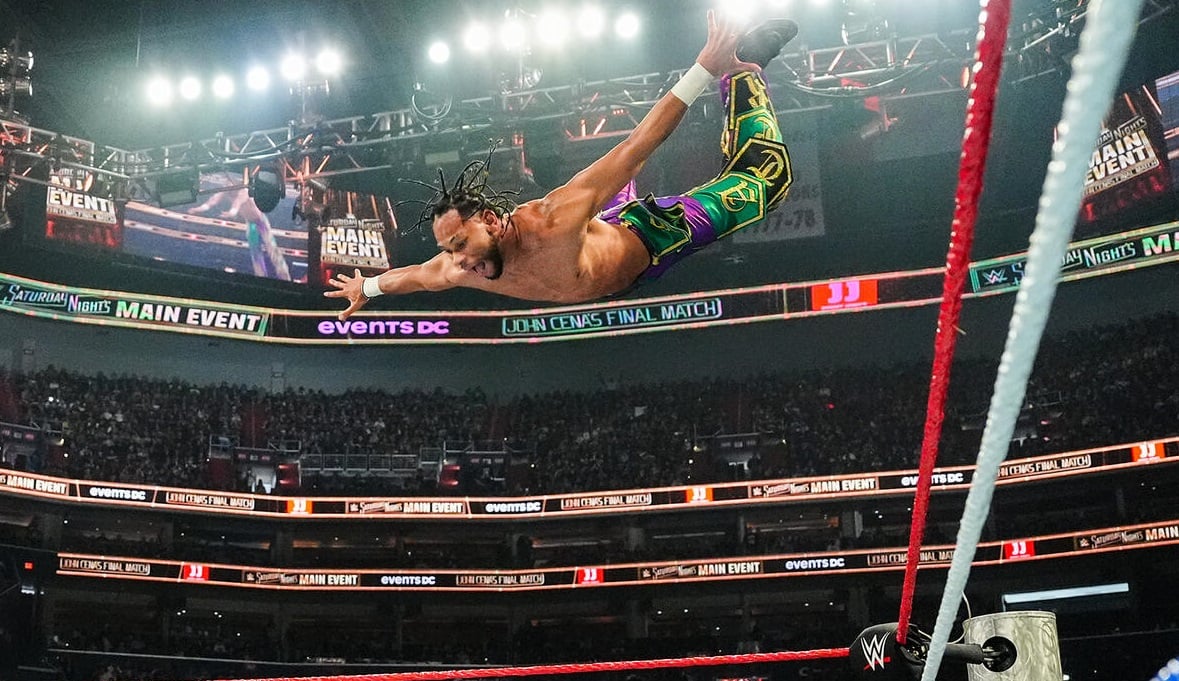
Image: courtesy of Sportsnaut
The TNA Talent Tug-of-War: Why WWE and AEW Are Eyeing the Same Prize
Professional wrestling is witnessing a high-stakes standoff as reports emerge that a marquee TNA star has become the primary target for both WWE and AEW, signaling a shift in how mid-tier talent is valued in a saturated market.
Outlook
Background
TNA, currently operating under Anthem Sports, has long occupied a unique space as a boutique promotion that serves as both a destination for established veterans and a proving ground for emerging talent. However, the current economic climate in wrestling—defined by deep-pocketed competition between TKO Group-owned WWE and the well-funded AEW—has made it difficult for smaller entities to shield their top assets. WWE's interest is largely defensive, aimed at preventing talent from bolstering their rival's roster, while AEW continues to prioritize high-profile signings to maintain its market relevance. This collision of corporate strategies creates an environment where a single wrestler's contract becomes a proxy battle for broader industry dominance.
Precedents
The history of wrestling is defined by talent migration as a tool for corporate leverage, echoing the seismic shifts of the 1990s when stars moved between WCW and the WWF. The modern iteration, however, is less about brand-defining power and more about the commodification of individual star power in the digital age. The path carved by stars like AJ Styles and Cody Rhodes—who transitioned from independent or niche success to becoming top-tier draws in global promotions—has set a precedent that current talent is eager to follow. Unlike the past, where loyalty to a brand was a core tenet of the business, today's wrestling economy is transactional, with talent agents utilizing the threat of a jump to the 'other side' to maximize contract valuations.
This situation exposes the fragility of the third-party promotion model in an era of extreme capital concentration. If TNA is unable to retain its anchor talent, the promotion risks losing its identity as a distinct alternative, potentially relegated to a glorified development pipeline for the industry giants. Furthermore, the inflationary pressure on talent salaries impacts the entire ecosystem, forcing promotions to reconcile their creative ambitions with the cold reality of budget constraints and shareholder expectations. The outcome of this specific bidding war will provide a data point on whether creative autonomy can truly compete with the massive financial incentives offered by publicly traded or billionaire-backed organizations.
Scenarios
Analysis1. The Talent Consolidation: The star signs with WWE or AEW, confirming the industry trend where top-tier talent is inevitably funneled into the two major promotions, leaving TNA to rebuild its brand identity. 2. The Integrity Holdout: The wrestler chooses to remain with TNA, prioritizing creative freedom and their status as the face of the brand, which would provide a significant PR victory for the promotion and potentially encourage other talent to value autonomy over a bigger paycheck. 3. The Financial Stalemate: Both WWE and AEW reach a point where the asking price exceeds the projected return on investment, leading to a quiet contract renewal with TNA that leaves both corporate giants frustrated and the talent's market value temporarily plateaued.
Timeline
Frequently Asked Questions
Discussion
Be the first to share your thoughts.