Veridact
TechSportsFinanceGaming🎯 Predictions⭐ OpportunitiesAbout
Sign InSign Up
Veridact

Analysis before the headline. Veridact examines technology, finance, sports, and gaming events before they unfold through forecasting, probability modeling, historical precedent, and public prediction tracking.

Stay ahead of what's next

Forecasts, analysis, and prediction updates delivered to your inbox.

Coverage

  • Tech
  • Sports
  • Finance
  • Gaming

Company

  • About Us
  • Privacy Policy

© 2026 Veridact. Forecasting & analysis platform.

Content may include AI-assisted research and analysis. Predictions and opinions should not be considered financial, legal, medical, or investment advice.

sports
Tributes paid to Tarling following British cyclist's death during Volta a Portugal

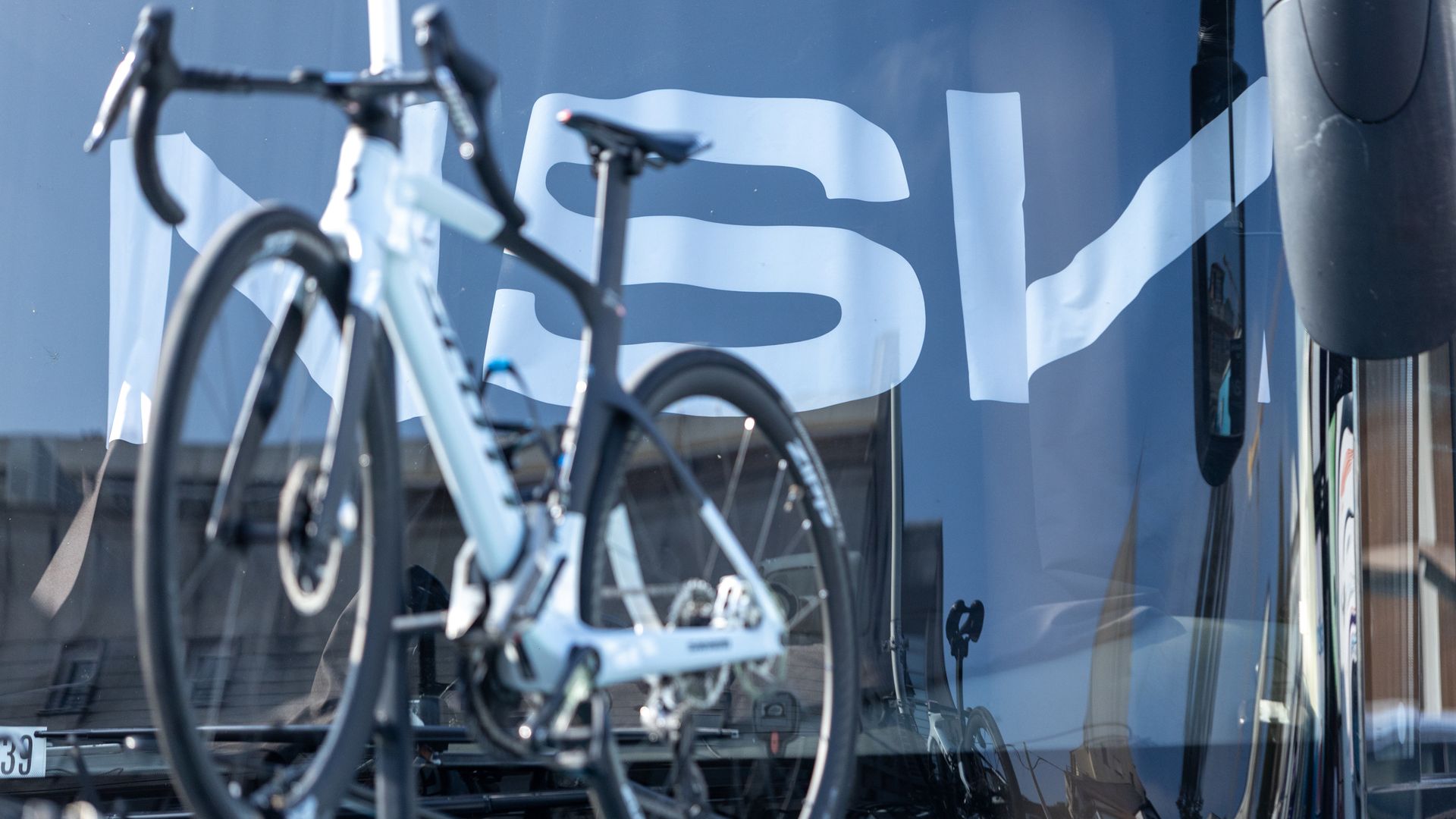
Image: courtesy of Sky sports

sportsAugust 16, 2026By Veridact EditorialUpdated Aug 16

Finlay Tarling's Death: The Unspoken Questions About Rider Safety in Professional Cycling

The cycling world is reeling from the death of 19-year-old British rider Finlay Tarling, who died yesterday after an accident during stage 8 of the Volta a Portugal. His NSN Development Team immediately withdrew from the race, and tributes poured in from across the sport today. While the immediate focus is on mourning and supporting Tarling's family and teammates, this tragedy has reignited critical questions about rider safety, race protocols, and the pressures faced by young athletes in the demanding world of professional cycling.

Outlook

The immediate aftermath of Finlay Tarling's death has seen an outpouring of grief and solidarity. His team, NSN Development, confirmed their withdrawal from the remainder of the Volta a Portugal, citing profound sorrow. Race organizers, the Volta a Portugal em Bicicleta Jogos Santa Casa, also issued a statement expressing deep regret and extending condolences. Today, before the scheduled start of the next stage, riders and officials gathered to pay tribute to Tarling, with the remaining stages of the race officially neutralized as a mark of respect.

Beyond these immediate reactions, an investigation is now officially underway into the circumstances surrounding the accident. This inquiry, likely involving Portuguese cycling authorities and potentially the Union Cycliste Internationale (UCI), will aim to determine the precise sequence of events that led to the fatal incident. Its findings will be critical in understanding whether specific factors contributed to the tragedy that could be addressed through future safety measures.

Background

Finlay Tarling was a 19-year-old British cyclist, considered a promising talent within the sport. He was a member of the NSN Development Team, a squad focused on nurturing young riders and preparing them for the higher echelons of professional cycling. His death occurred during the eighth stage of the Volta a Portugal, a prestigious multi-day road cycling race held annually in Portugal. The specific details of the 'serious accident' that claimed his life on Friday, August 15, 2026, between Melgaço and Fafe, have not yet been publicly disclosed beyond the fact that an investigation is active. Some reports indicate he was hit by a car, though official statements from organizers only refer to a 'serious accident.'

Development teams like NSN play a crucial role in the cycling ecosystem, providing a pathway for young athletes to transition from amateur ranks to the professional circuit. These teams often operate with fewer resources than WorldTour teams, balancing the need for competitive experience with rigorous safety standards. The Volta a Portugal itself is known for its challenging terrain and passionate local support, featuring a mix of flat stages, mountain climbs, and time trials that test riders' endurance and skill across varied road conditions. The event draws a mix of professional and development teams, making it a critical proving ground for emerging talent.

Precedents

Tragically, Finlay Tarling is not the first cyclist to die during a professional race, nor is he likely to be the last if the fundamental risks of the sport remain unaddressed. The history of professional cycling is dotted with moments of profound loss, serving as stark reminders of the inherent dangers.

One of the most widely remembered incidents is the death of Fabio Casartelli, a Spanish Olympic gold medalist, who crashed during the 1995 Tour de France. His death, which occurred on a descent in the Pyrenees, sparked immediate debate about helmet use – which was not mandatory at the time – and course safety. The UCI eventually made helmets compulsory for professional races.

More recently, incidents like the death of Belgian rider Wouter Weylandt during the 2011 Giro d'Italia after a high-speed crash, or Antoine Demoitié in the 2016 Gent-Wevelgem race, have brought renewed scrutiny to safety. Weylandt's death led to calls for improved medical response times and more stringent safety barriers. Demoitié's death after being hit by a race motorcycle highlighted the dangers posed by support vehicles on the course.

Each of these tragedies prompted intense discussions within the cycling community, often leading to reviews of existing safety protocols by the UCI, race organizers, and team managers. These reviews typically cover areas such as course design and marking, the presence and management of vehicles (both support and public), medical infrastructure, and rider equipment standards.

However, the implementation of changes has often been a slow, incremental process, constrained by the dynamic nature of road racing, the vast distances covered, and the financial realities of organizing large-scale events. There's a constant tension between maintaining the spectacle of high-speed racing and ensuring rider protection, especially on open roads where public access and external factors are difficult to control completely. The question often arises: how much risk is inherent to the sport, and how much is preventable through better regulation and enforcement? This latest incident with Finlay Tarling will undoubtedly amplify those questions once more, particularly concerning the safety of young, developing riders.

The death of Finlay Tarling is more than just a tragic accident; it is a profound shock that reverberates through the entire structure of professional cycling, raising uncomfortable questions about the sport's future and its responsibilities.

For the riders themselves, particularly the young athletes in development teams, this incident casts a long shadow. It forces them, their families, and their mentors to confront the very real, often fatal, risks associated with pursuing a career in professional cycling. This could have a chilling effect on recruitment and retention of talent, especially as parents and guardians weigh the dangers against the dreams.

For teams, especially those focused on development, the emotional and practical toll is immense. Beyond the immediate grief, they face intense pressure to review their own safety protocols, training methods, and support structures for young riders. This could lead to increased operational costs and a re-evaluation of which races are deemed acceptable for their developing athletes.

Race organizers, such as those of the Volta a Portugal, will face intense scrutiny. Their decisions regarding course design, traffic management, and emergency response will be dissected. The outcome of the ongoing investigation could lead to significant liabilities or, at the very least, force a re-think of how races are planned and executed to minimize external risks, particularly those involving public vehicles.

Finally, for the sport's governing body, the UCI, Finlay Tarling's death represents a critical moment. While safety regulations are already in place, the incident will undoubtedly spark calls for a comprehensive review of existing rules, their enforcement, and whether they adequately protect riders in modern racing conditions. This could lead to new mandates for race safety, vehicle management, and even potentially stricter age-related participation rules for certain high-risk events. The sport's image, its ability to attract sponsors, and its long-term viability could all hinge on how effectively it responds to this tragedy and demonstrates a tangible commitment to rider safety.

Scenarios

Analysis

The investigation into Finlay Tarling's accident is still in its early stages, but its findings will inevitably shape the conversation around rider safety in professional cycling. Several potential outcomes could emerge from this tragedy:

1. Enhanced Safety Protocols and Enforcement (Inferred): The most direct and likely outcome is increased pressure on the UCI and national federations to review and strengthen safety regulations. This could manifest in several ways: stricter rules for course design and reconnaissance, particularly concerning descents, narrow roads, or sections with heavy public traffic; improved marshalling and barrier systems; and more stringent protocols for the presence and movement of support vehicles (cars, motorcycles) within the race convoy. The investigation's specific conclusions about the accident's cause will heavily influence the exact nature of these changes. For instance, if external vehicle interaction is confirmed, there could be a push for more comprehensive road closures or dedicated 'safe zones.'

2. Increased Scrutiny on Development Teams and Young Rider Safety (Inferred): Finlay Tarling's age, 19, brings a specific focus to the safety of young athletes entering the professional ranks. This tragedy could lead to new guidelines or mandatory best practices for development teams regarding rider training, risk assessment, and mental health support. There might be calls for age restrictions on certain types of races or stages, or requirements for specific safety equipment beyond standard helmets. Teams might also face pressure to ensure adequate staffing and resources to manage the risks inherent in racing, particularly for their less experienced riders.

3. Financial and Reputational Consequences for Race Organizers (Speculative): Depending on the investigation's findings regarding negligence or inadequate safety measures, the organizers of the Volta a Portugal could face legal challenges or significant financial penalties. Beyond that, the race's reputation, and potentially that of other similar events, could be damaged, impacting future sponsorship and participation. This may prompt organizers to invest heavily in safety upgrades to restore confidence, even if it means altering traditional routes or increasing operational costs.

4. A Broader Cultural Shift in Risk Perception (Speculative): While harder to quantify, this tragedy could contribute to a slow but significant shift in how risk is perceived and tolerated within cycling culture. There might be a growing demand from riders, teams, and fans for a more cautious approach to race design, even if it means a slight reduction in the 'heroic' element of the sport. This could lead to more vocal advocacy for safety from rider unions and a greater willingness from teams to withdraw from races perceived as overly dangerous, putting pressure on organizers to adapt.

Timeline

2026-08-15
Finlay Tarling's Accident
British cyclist Finlay Tarling, 19, suffers a serious accident during Stage 8 of the Volta a Portugal race, between Melgaço and Fafe.
2026-08-15
Finlay Tarling Confirmed Dead
Following the accident, Finlay Tarling is confirmed to have died. His team, NSN Development, announces its immediate withdrawal from the race.
2026-08-16
Tributes Paid and Race Neutralized
Riders and officials gather to pay tribute to Finlay Tarling before the next stage of the Volta a Portugal. Race organizers confirm the remaining stages will be neutralized as a mark of respect, and an investigation into the accident begins.

Frequently Asked Questions

Finlay Tarling was a 19-year-old British professional cyclist, a promising talent who rode for the NSN Development Team. He was competing in the Volta a Portugal when he died following an accident.

Discussion

0/100
0/1000

Be the first to share your thoughts.

Related Coverage

sports

Beyond the Debut Goal: What Chelsea's Carabao Cup Victory Over Luton Reveals About Xabi Alonso's Early Vision

Aug 28
sports

The Enzo Dilemma: Why Manchester City's Pursuit of Fernandez Signals a New Era Under Maresca

Aug 28
sports

Reimagining 'The Vision': WWE's High-Stakes Bet on a Struggling Faction, With LA Knight in the Spotlight

Aug 28
sports

Romero's £34.2M Move to Atletico: The Defensive Reckoning for Tottenham and Simeone's New Anchor

Aug 27

Stay ahead of the story

AI analysis delivered before events unfold. No spam.

ⓘ

Methodology: Veridact combines public data, historical precedent, and analytical models to evaluate the likelihood of future outcomes.