
The immediate next step involves securing formal approval from the RFL board. This process will assess the financial viability of the move, the proposed stadium upgrades, and the impact on the league's overall structure and fan experience. Assuming RFL approval, work on Flair Stadium is expected to begin, transforming the current Championship ground into a Super League-compliant venue. This will likely involve significant construction and infrastructure improvements throughout 2026 and into 2027 to meet the club's announced capacity goals and player facilities. Fans will need to adjust to a new matchday experience in Dewsbury, including different travel arrangements and local amenities, at least for the 2027 season and potentially beyond. The club will also need to manage season ticket sales and fan engagement strategies to maintain its supporter base during this transitional period.
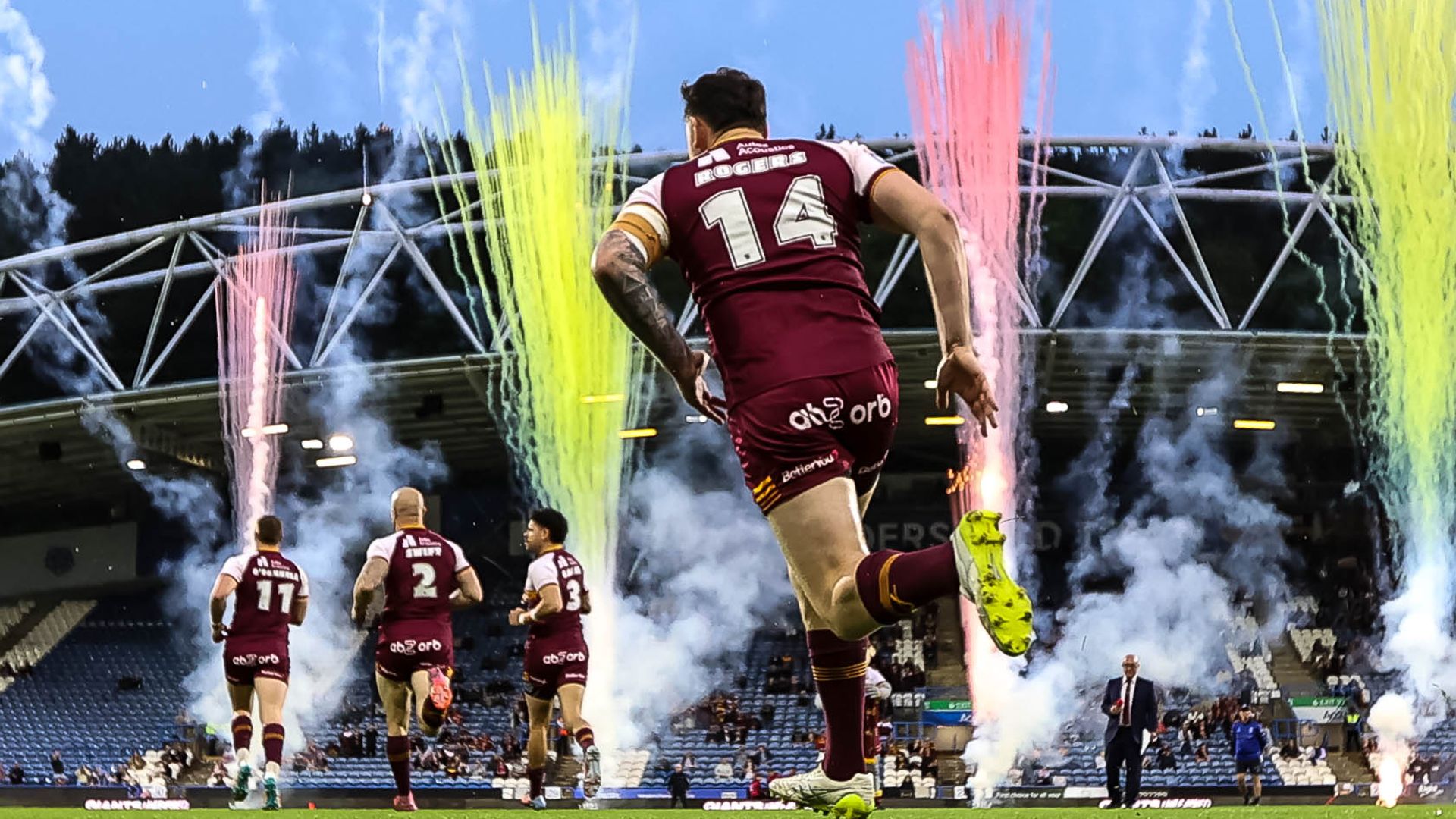
Image: courtesy of Sky sports
Huddersfield Giants' Strategic Relocation: Why a Super League Club Is Moving to a Smaller Ground and What It Means for Its Future
The Huddersfield Giants, a Super League rugby league club, have announced plans to move their home games to Dewsbury's Flair Stadium starting from the 2027 season. This relocation involves a significant investment of over £10 million to upgrade Flair Stadium, aiming to increase its capacity to 8,000. The move is currently awaiting approval from the Rugby Football League (RFL) board. While the club's immediate focus is on the Dewsbury site, the long-term ambition remains to construct a new, purpose-built stadium within Huddersfield itself.
Outlook
Background
The decision to leave the John Smith's Stadium, also known as the Accu Stadium for sponsorship reasons, marks a significant shift for the Huddersfield Giants, who have called the multi-purpose venue home for the past 32 years. The John Smith's Stadium, with its 24,500 capacity, is a modern facility primarily shared with Huddersfield Town AFC, a football club. While impressive in scale, the shared ownership structure—involving Kirklees Council, Huddersfield Town, and the Giants as a minority shareholder—has historically limited the rugby club's control over matchday revenues, commercial opportunities, and scheduling. This often means the Giants operate with less flexibility in how they can generate income from their home ground, a critical factor for financial stability in professional sports.
The proposed move to Dewsbury's Flair Stadium, a ground currently used by the Dewsbury Rams, a Championship club, represents a strategic pivot. By investing over £10 million into Flair Stadium to expand its capacity to 8,000, Giants owner Ken Davy is making a substantial commitment. This investment is not just about capacity; it is about creating a facility where the Giants have greater operational control and a larger share of the revenue streams from concessions, hospitality, and sponsorship. This suggests a desire to build a more sustainable financial model, even if it means temporarily relocating to a smaller venue outside their traditional town. The announcement was made today, at half-time during the Giants' 42-20 Super League victory over Catalans Dragons, a moment that suggests the club aimed to convey a message of strength and future ambition to its home crowd.
Precedents
Relocations and stadium development are recurring themes in rugby league, often driven by financial pressures and the quest for greater control over revenue. Several clubs have faced similar dilemmas:
Wakefield Trinity: For years, Wakefield Trinity grappled with outdated facilities at Belle Vue, impacting their ability to meet Super League standards and generate sufficient income. Their recent move towards developing a new community stadium, after years of discussion and false starts, highlights the long and arduous process involved in securing funding and planning permission for new sports venues.
Bradford Bulls: The financial struggles of the Bradford Bulls, a former powerhouse, saw them move stadiums multiple times and ultimately face liquidation and re-formation. Their experience serves as a stark reminder of how critical stadium-related revenues and controlled overheads are for a club's survival.
Leeds Rhinos: In contrast, the Leeds Rhinos undertook a significant redevelopment of their iconic Headingley Stadium. This multi-million-pound project, completed in phases, modernised the venue while keeping the club in its spiritual home. This approach required substantial investment and strategic planning but allowed them to enhance matchday experience and commercial opportunities without relocation.
These examples illustrate a spectrum of outcomes. Clubs that successfully manage stadium projects, whether through redevelopment or building new, often see improved financial health and fan engagement. However, the path is fraught with challenges, including securing capital, navigating planning regulations, and managing fan expectations during transition periods. The Giants' move, therefore, fits a pattern of clubs seeking to improve their commercial footing, often by sacrificing immediate fan convenience for long-term sustainability and control.
This move is not merely a change of address; it represents a significant strategic realignment for the Huddersfield Giants, with repercussions for its financial health, fan base, and the broader Super League. For the club, gaining greater control over its home venue and associated revenue streams is paramount. At John Smith's Stadium, as a minority tenant, the Giants likely had limited ability to fully capitalise on matchday income, hospitality, and sponsorship deals, which are crucial for a Super League club's operating budget. The £10 million-plus investment in Flair Stadium, while substantial, is an attempt to build an asset that the club can leverage more effectively, potentially turning a larger share of gate receipts and commercial activities directly into club funds. This could mean more resources for player recruitment, youth development, and overall club infrastructure.
For fans, the implications are mixed. While the prospect of a more intimate, rugby-focused atmosphere at a newly upgraded Flair Stadium might appeal to some, the relocation itself presents practical challenges. Travel to Dewsbury, approximately six miles from Huddersfield, will be a factor for many long-standing supporters, potentially impacting attendance. The club will need to work hard to ensure a smooth transition and maintain strong fan engagement.
For the wider Super League, the Giants' decision highlights the ongoing financial pressures faced by clubs that do not fully own or control their stadiums. It could serve as a case study for other clubs considering similar moves or pushing for greater control over their existing venues. The long-term goal of building a new stadium in Huddersfield suggests this Dewsbury move is a stepping stone, but the success of that ultimate ambition will depend heavily on the financial stability gained from this interim period and the ability to secure suitable land and funding for a new build.
Scenarios
AnalysisThe Huddersfield Giants' strategic relocation to Dewsbury could unfold in several distinct ways:
1. A Successful Transitional Phase Leading to a New Huddersfield Home: This is the club's stated intention. The RFL grants approval, the Flair Stadium upgrades are completed on schedule, and the club operates successfully from Dewsbury for a few seasons. The increased control over revenue streams allows the Giants to build a stronger financial foundation. This enhanced stability, coupled with a positive fan experience at Flair Stadium, provides the necessary momentum and capital to eventually develop and move into a new, purpose-built stadium in Huddersfield. This outcome would validate the owner's strategic vision and secure the club's long-term future in its home town.
2. The Dewsbury Move Becomes a Longer-Term Solution Than Intended: While the club maintains a long-term goal of returning to Huddersfield, the complexities, costs, and planning hurdles associated with building a new stadium in Huddersfield are substantial. It is possible that the Dewsbury relocation, initially envisioned as temporary, extends for a prolonged period, potentially becoming the club's de facto permanent home due to economic realities or difficulties in securing a suitable site and funding for a new Huddersfield venue. This could lead to a gradual shift in the club's identity and fan base over time, with a greater emphasis on the Dewsbury area.
3. Challenges with RFL Approval or Stadium Upgrades: The RFL approval process could introduce unexpected delays or conditions, requiring the Giants to revise their plans or timeline. Furthermore, a project of over £10 million to upgrade Flair Stadium carries inherent execution risks, including construction delays, cost overruns, or unforeseen technical challenges. Any significant setbacks in this phase could disrupt the club's plans for the 2027 season, potentially leading to a scramble for alternative arrangements or impacting fan confidence and financial projections.
4. Fan Disengagement and Financial Strain: A significant portion of the Huddersfield fan base may find the move to Dewsbury inconvenient, leading to a drop in attendance and season ticket sales. If the new matchday experience at Flair Stadium does not resonate with supporters, or if the travel proves too burdensome, the club could face financial strain from reduced gate receipts. This outcome would undermine the primary commercial rationale for the move and could jeopardise both the interim period in Dewsbury and the long-term ambition for a new Huddersfield stadium.
Timeline
Frequently Asked Questions
Discussion
Be the first to share your thoughts.