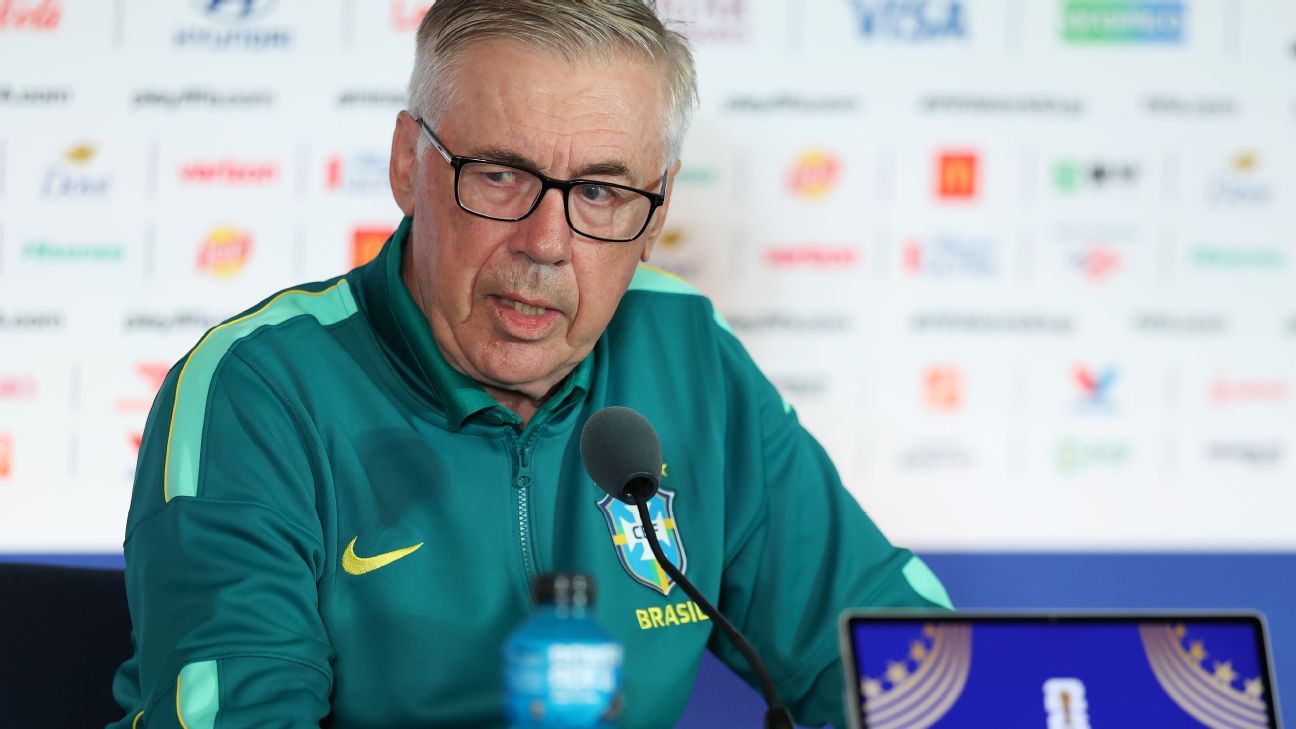
The Round of 32 match between Brazil and Japan, influenced by Ancelotti's stated approach and Neymar's fitness, presents several possible outcomes for Brazil and its World Cup trajectory:
1. Brazil Secures a Decisive Victory, Validating Ancelotti's Approach: One possible outcome is that Brazil's disciplined, internally focused preparation, free from external 'mind games,' allows them to execute their game plan flawlessly. If Brazil wins convincingly, it would be seen as a validation of Ancelotti's calm leadership and his belief that superior preparation and talent outweigh psychological ploys. Neymar, coming off the bench, might provide a critical spark, scoring or assisting a goal that breaks a deadlock or extends a lead, proving the wisdom of managing his minutes. This scenario would boost team morale and reinforce Brazil's status as a top contender.
2. Brazil Faces a Tougher Challenge, Leading to Questions About Tactical Choices: The match could prove to be more difficult than anticipated, with Japan's 'unbeaten' group stage form translating into a resilient performance. If Brazil struggles to break down Japan or the match goes to extra time or penalties, it might lead to questions about whether Ancelotti's cautious approach with Neymar, or the overall lack of psychological pressure on the opponent, allowed Japan too much room to operate. While not necessarily a criticism of the 'no mind games' stance itself, a poor performance could shift scrutiny to tactical decisions and player deployment, especially if Neymar's limited minutes are seen as insufficient.
3. Neymar's Substitute Role Proves Crucial, Regardless of Match Flow: Irrespective of the final score, Neymar's introduction as a substitute could become a pivotal moment. He might enter the game and immediately change its dynamic, drawing defenders, creating space, or delivering a moment of individual brilliance that turns the tide. This would highlight Ancelotti's shrewd management of his star player, preserving him for key moments and subsequent matches, and demonstrating that a carefully managed return can be more effective than rushing him into the starting XI. Conversely, if he struggles to make an impact, it could underline the ongoing challenge of integrating a player returning from injury into a high-intensity knockout game.