
NFL teams are entering a period of intense strategic decision-making regarding their starting quarterbacks for the 2026 season. Expect a dynamic landscape influenced by player performance, contract negotiations, salary cap implications, and the strength of the upcoming draft classes. Some teams, like the Carolina Panthers, are projected to solidify their current quarterback situations with extensions. Others, such as the Tampa Bay Buccaneers, may opt for a complete overhaul, exploring both free agency and the draft to find a new signal-caller. This suggests a significant churn of talent and a series of high-stakes choices for general managers and coaching staffs across the league.
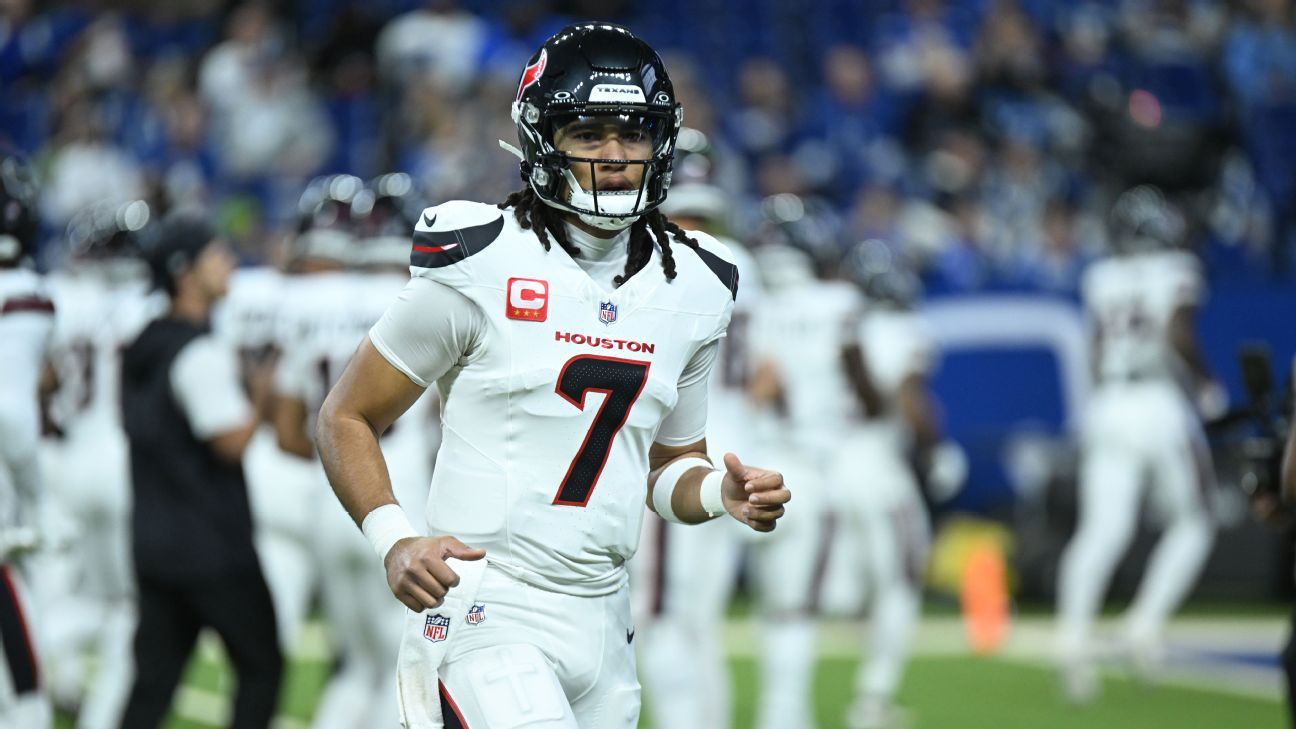
Image: courtesy of ESPN
The 2026 NFL Quarterback Market: Why 16 Teams Face a Strategic Reckoning
The upcoming 2026 NFL season is shaping up to be a pivotal moment for quarterback movement, with an unusual number of teams – 16, by some projections – facing significant uncertainty at the sport's most critical position. This widespread instability suggests a highly active market, where franchises will weigh contract extensions against the allure of free agency, the promise of the draft, or the calculated risk of a trade. The decisions made in the coming months will not only redefine individual team trajectories but also reshape the competitive balance of the league for years to come.
Outlook
Background
The National Football League operates on a perpetual cycle of evaluation, particularly at the quarterback position. As of August 21, 2026, a substantial portion of the league—16 teams—is grappling with questions surrounding their QB1 for the 2026 season. This is a higher number than typically seen, indicating a potential 'quarterback carousel' on a scale that could rival past periods of significant movement.
The uncertainty stems from a variety of factors: expiring contracts, inconsistent performance, injuries, and the natural evolution of team rosters. For instance, Baker Mayfield, who ranked as QB7 in fantasy projections in 2025, is projected to fall closer to QB11 in 2026, suggesting a potential decline in perceived value or a stronger overall pool of competitors. Meanwhile, players like Kyler Murray, still under a significant contract, face scrutiny regarding their long-term fit and performance, creating internal dilemmas for their respective franchises.
The market for quarterbacks is inherently limited and highly competitive. Teams with established, high-performing quarterbacks often prioritize extensions to maintain stability, while those without one are forced into a scramble, often overpaying in free agency or reaching in the draft. The sheer volume of teams in flux for 2026 means that the supply-demand dynamics for quality quarterback play will be severely strained, potentially driving up prices and increasing the pressure on front offices to make the right call.
See also
Precedents
The NFL has a long history of quarterback market volatility. Periods of high churn at the position often follow cycles of quarterback contracts expiring, new coaching regimes taking over, or a particularly strong draft class emerging. For instance, the early 2010s saw a significant reshuffling of veteran quarterbacks as teams sought to replicate the success of new, dynamic passers entering the league.
Another pattern involves the 'bridge quarterback' phenomenon, where teams sign a veteran to a short-term deal while developing a younger prospect. This strategy often emerges when the draft class isn't seen as top-heavy, or when a team believes it's one piece away from contention but lacks a franchise quarterback.
Historically, teams that successfully identify and develop their own quarterbacks through the draft tend to achieve sustained success, given the cost-controlled nature of rookie contracts. Conversely, franchises that consistently miss on draft picks or overspend on free-agent quarterbacks often find themselves in a perpetual state of rebuilding. The 2026 market, with its 16 teams in question, echoes past eras where a significant portion of the league was actively searching for a long-term solution under center, leading to a ripple effect across player movement and coaching changes.
The decisions made by these 16 NFL franchises regarding their quarterbacks for the 2026 season will ripple across the entire league. A franchise quarterback is often the single most important factor in a team's competitiveness and financial health. Securing a top-tier quarterback means a higher chance of playoff appearances, increased revenue, and a more stable coaching environment. Failure to do so can condemn a team to years of mediocrity, erode fan confidence, and lead to frequent turnover in leadership.
For players, this market represents both opportunity and peril. A strong performance in 2025 could lead to a lucrative contract extension, while an inconsistent year could send a veteran into a precarious free agency. Young quarterbacks, like Notre Dame's CJ Carr, who went No. 1 overall in a recent mock draft for 2027, will be watching closely, as the market dynamics of 2026 will directly influence their future draft stock and contract expectations.
Furthermore, the sheer volume of uncertainty means that the 2026 offseason could see a significant reallocation of talent. Teams that secure a high-value quarterback will immediately gain a competitive edge, while those that falter in their search will fall further behind. This is not merely about individual player movement; it is about the fundamental architecture of team building and the competitive landscape of the NFL for the next half-decade.
Scenarios
AnalysisThe widespread quarterback uncertainty across 16 NFL teams for the 2026 season could lead to several distinct scenarios for the league as a whole.
One likely outcome is a highly inflated free-agent market for any available veteran quarterbacks. With so many teams in need, even mid-tier starters or experienced backups could command surprising contracts, as desperate franchises outbid each other. This could lead to some teams taking significant financial risks on players who may not ultimately deliver franchise-altering performance. It also implies that teams with existing, high-performing QBs will prioritize extensions early to avoid having their players test a robust open market.
A second possibility is that the 2026 NFL Draft becomes an even more critical event than usual. If the free-agent market proves too expensive or lacks compelling options, teams may aggressively trade up to secure top quarterback prospects. This would put immense pressure on college scouts and general managers to accurately assess talent, as early draft picks at quarterback carry significant long-term implications. The Falcons, for example, might consider moving on from Michael Penix Jr. if he doesn't meet expectations, potentially adding him to the market or freeing up capital for a draft pick.
A more speculative, long-shot scenario involves a series of unexpected trades. If several teams with high draft picks fail to secure their desired college quarterback, they might turn to disgruntled veteran starters or promising backups on other rosters. This could create a domino effect, where one major trade triggers several others as teams adjust their strategies. It could also lead to surprising breakout performances from lesser-known players, like Tyson Bagent or Tanner McKee, who might get an unexpected opportunity if established veterans prove too costly or unavailable. The unpredictability of player performance and team needs means that while some teams may follow a clear path, others will inevitably be forced to improvise, leading to a truly dynamic offseason.
Timeline
2025-08-20
Initial Projections Published
An analysis piece, published yesterday, identified 16 NFL teams with significant QB1 uncertainty for the 2026 season, projecting two potential outcomes (likely and long-shot) for each team.
2026-01-08
NFL Regular Season Ends
Final team records and individual player performances for the 2025 season will heavily influence upcoming quarterback decisions, triggering the official start of the offseason evaluation period.
2026-03-11
NFL Free Agency Begins
The league's new year marks the opening of the free agency period, where teams can officially sign unrestricted free agents, including veteran quarterbacks, setting the initial market rates.
2026-04-23
2026 NFL Draft
Teams will make their selections from the collegiate ranks, potentially drafting new franchise quarterbacks, especially those who failed to find a suitable option in free agency.
2026-09-07
2026 NFL Season Kicks Off
The start of the 2026 regular season will reveal the outcomes of the offseason's quarterback decisions, with each team's chosen signal-caller taking the field.
Frequently Asked Questions
The uncertainty stems from a combination of factors, including expiring player contracts, inconsistent performance from current starters, salary cap considerations, and the natural turnover that occurs in the league. Some teams are evaluating whether to extend their current QB, while others are looking for a fresh start through free agency or the draft.
Discussion
Be the first to share your thoughts.