
Investors and industry observers should expect Tencent to continue a methodical review of its extensive global gaming portfolio. The company's reported willingness to sell stakes back to original management, even at a loss, signals a firm commitment to this new strategic direction. This does not imply a withdrawal from the gaming sector entirely; rather, it suggests a more selective approach to partnerships and a greater emphasis on projects that align directly with its core development capabilities and platform strategies. For studios like Marvelous, this could mean seeking new investors or consolidating ownership under existing management, potentially impacting future project funding and strategic direction. The industry could see a ripple effect, as other major publishers re-evaluate their own investment philosophies in light of Tencent's pivot.
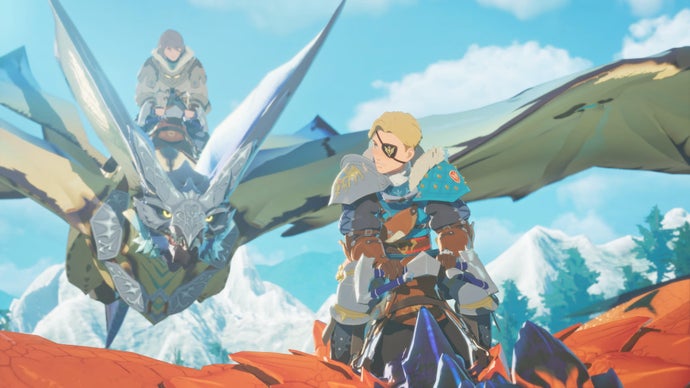
Image: courtesy of EuroGamer
Tencent Reportedly Eyes Exit From Marvelous, Signaling Broader Shift in Gaming Investments
Chinese tech giant Tencent is reportedly considering divesting its stake in several Japanese game studios, including Marvelous Inc., known for titles like *Monster Hunter Stories* and *Story of Seasons*. This potential move is part of a strategic re-evaluation, with Tencent aiming to shift its focus towards co-development projects and user-generated content, rather than minority investments in external studios. While Marvelous is specifically named, Tencent's holdings in prominent developers like FromSoftware and PlatinumGames remain unaffected.
Outlook
Background
Tencent, a dominant force in global gaming, built a significant portion of its Japanese portfolio through a series of minority stake acquisitions around 2020. At the time, the strategy was to invest in creative studios it identified as undervalued, allowing them operational independence while gaining exposure to their intellectual property and development talent. Marvelous Inc., the Tokyo-based studio behind popular franchises such as Monster Hunter Stories, Rune Factory, and Story of Seasons, was one such investment.
This current reported shift indicates a re-evaluation of those holdings, particularly where the anticipated 'strategic synergies' — the mutual benefits expected from the partnership — may not have fully materialized. The company's reported focus on 'co-development' implies a preference for closer, more integrated partnerships where Tencent's internal studios play a direct role in creating new titles. The emphasis on 'user-generated content' (UGC) points towards platforms and games that empower players to create and share their own content, a model that has proven highly successful in titles like Roblox and Minecraft.
Adding context to this strategic pivot, reports surfaced recently that Tencent was also unlikely to continue backing French developer Don't Nod, known for Life is Strange, following missed sales expectations. This broader pattern suggests a more disciplined approach to its investment returns and strategic alignment across its global portfolio.
Precedents
Tencent's investment strategy has historically been dynamic, adapting to market conditions and internal priorities. In the mid-2010s, the company aggressively acquired stakes in numerous developers globally, establishing itself as a major shareholder in many of the world's most successful gaming companies. This approach allowed it to diversify its portfolio, gain access to Western markets, and secure valuable intellectual property without fully integrating studios.
However, a shift towards stricter regulatory scrutiny in China, coupled with evolving global market trends, has prompted adjustments. Other major tech companies, including Meta and Google, have similarly reassessed their long-term investment strategies in various sectors, often pruning ventures that do not directly contribute to core business objectives or show clear paths to profitability. The willingness to take a loss on divestments is not uncommon for large corporations undertaking strategic re-alignments, prioritizing future focus over recouping every initial dollar. It reflects a judgment that the capital and management attention are better deployed elsewhere.
In the Japanese market specifically, foreign investment in local studios has often been a delicate balance, respecting creative independence while seeking commercial returns. This reported move by Tencent could influence how Japanese studios view future foreign investment, potentially leading them to seek partners with a clearer, more hands-on strategic vision or to prioritize domestic funding sources.
Tencent's reported decision to step back from certain Japanese studio investments carries significant implications for several reasons. For Marvelous, an exit by a major investor like Tencent could create immediate financial uncertainty, requiring the studio to secure new funding or re-evaluate its growth plans. While it could offer an opportunity for management to regain full control, it also presents an operational challenge.
More broadly, this signals a potential recalibration of investment priorities across the global gaming industry. Tencent is not just any investor; it is one of the largest and most influential. Its strategic pivot towards co-development and UGC could encourage other major publishers to scrutinize their own minority holdings, potentially leading to a broader consolidation or divestment trend. This could redefine what constitutes a 'valuable' investment in the eyes of industry giants, shifting focus from pure IP acquisition to more integrated development partnerships or platform-centric content creation.
For smaller, independent studios, this could mean fewer deep-pocketed minority investors, forcing them to either seek full acquisitions or rely more heavily on traditional publishing deals or self-funding. It also highlights the increasing importance of models that foster player creativity and community engagement, indicating where a significant portion of future industry growth is expected to lie.
Scenarios
AnalysisOne possible outcome is that Marvelous Inc. successfully negotiates to buy back Tencent's stake, potentially with the backing of other investors or through internal financing. This would allow Marvelous to regain full independence and chart its own course, though it would also mean shouldering the full financial burden and strategic direction without Tencent's capital or global reach. The studio could then pursue new partnerships that better align with its creative vision or financial needs.
Alternatively, Tencent could find another strategic investor willing to acquire its stake in Marvelous. This scenario might introduce a new major shareholder to Marvelous, potentially altering its strategic alliances or future project slate. The challenge here would be finding an investor whose interests align with both Marvelous's creative independence and Tencent's desire for an efficient exit.
A third scenario involves Tencent proceeding with the divestment but at a slower pace than anticipated, or encountering difficulties in finding suitable buyers. This could leave Marvelous in a period of prolonged uncertainty regarding its ownership structure, potentially impacting employee morale, investor confidence, and the development timeline for future games. The willingness to take a loss suggests Tencent is motivated to exit, but market conditions and the specifics of Marvelous's valuation will still play a role.
Timeline
Frequently Asked Questions
Discussion
Be the first to share your thoughts.