
Players of Warhammer 40,000: Rogue Trader can now launch their game directly, bypassing the short-lived launcher that was introduced on June 22, 2026. The game has reverted to the patch state it was in before the launcher's implementation. This means no additional software will be required to start the game, a relief for many who voiced concerns about performance, resource usage, and the principle of an extra layer before playing. For Owlcat Games, the immediate expectation is a period of focusing on core game development and community relations, particularly as they look to rebuild trust with a segment of their dedicated player base. The studio's swift response suggests an awareness of the significant reputational damage that can occur when community feedback is ignored, or when unwanted features are forced onto a passionate audience. It also sets a clear precedent for how the company might respond to future controversies, indicating a willingness to reverse course quickly when faced with overwhelming negative sentiment.
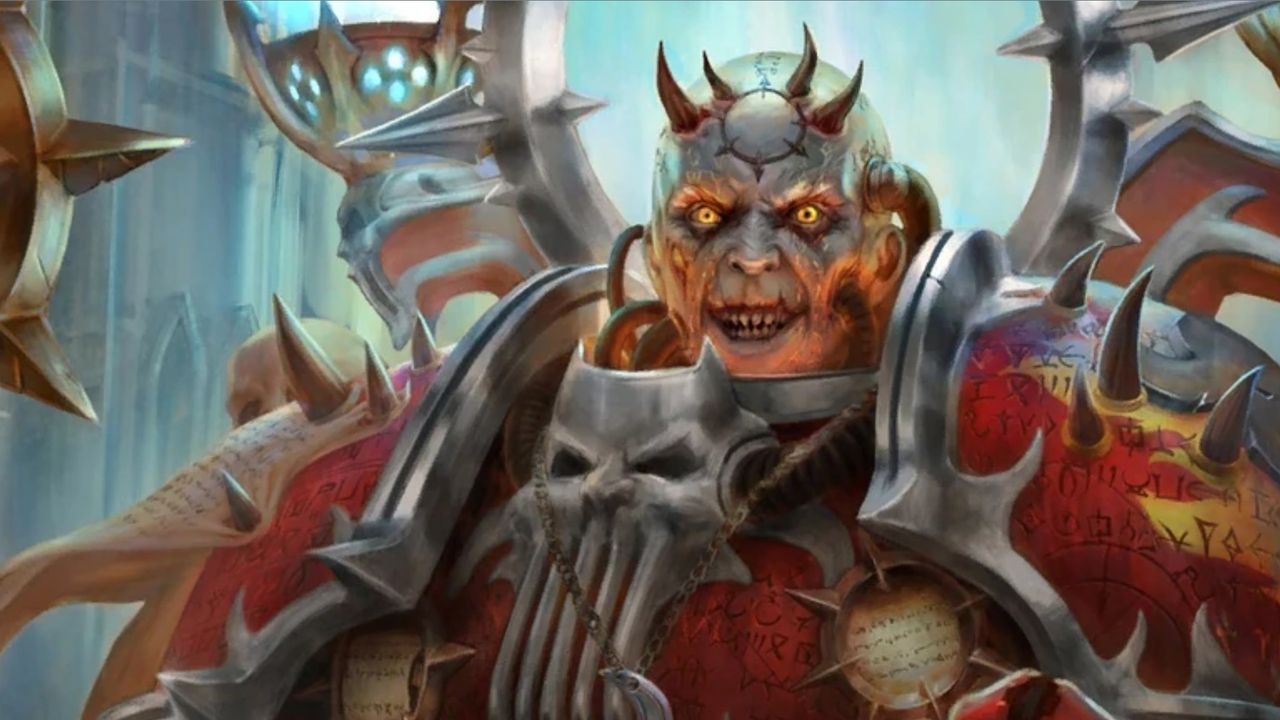
Image: courtesy of PC Gamer
Owlcat Pulls Rogue Trader Launcher Within 19 Hours After Player Uproar
RPG studio Owlcat Games swiftly removed a new game launcher for its title *Warhammer 40,000: Rogue Trader* yesterday, less than a day after its release. The decision came in response to widespread fan backlash, with players criticizing the launcher as unnecessary and intrusive. Owlcat issued an apology and reverted the game to its previous patch, a move that has largely been met with approval from the community.
Outlook
Background
Game launchers serve as a portal to a specific game or a developer's library of titles, often providing news, updates, and sometimes a storefront. While major platforms like Steam or Epic Games Store have their own established launchers, developers sometimes introduce secondary launchers for their individual games. These developer-specific launchers are frequently met with resistance from players. The common complaints center on several points: they can consume additional system resources, add an extra step to the game-launching process, create potential for technical conflicts, and are often perceived as an unnecessary layer of digital rights management (DRM) or an attempt to control the player experience outside of established platforms. Players typically prefer a direct launch experience, especially when the game is already purchased and managed through a primary platform like Steam.
In the case of Warhammer 40,000: Rogue Trader, Owlcat's new launcher was reportedly designed to deliver news and updates directly to players. However, this functionality was not seen by the community as a value-add but rather an imposition. The game, a complex and often demanding RPG, already had a dedicated player base who were sensitive to any changes that might impact performance or add friction to their gaming experience. The rapid deployment and equally rapid retreat of the launcher highlights a delicate balance game developers must strike between engaging their audience with new features and respecting their desire for a streamlined, uninterrupted experience.
Precedents
The gaming industry has a long history of developers implementing features or policies that spark intense player backlash, often leading to significant reversals. One of the most prominent examples is Electronic Arts' attempt to introduce an 'always-online' requirement for SimCity in 2013, which resulted in server outages, widespread criticism, and ultimately a patch allowing offline play. Similarly, Ubisoft faced player ire over intrusive DRM solutions in the late 2000s and early 2010s, which were perceived as punitive to legitimate buyers and often caused more problems than they solved.
More recently, issues surrounding microtransactions, season passes, and even non-skippable intros have drawn the ire of gaming communities. The pattern here is clear: players, especially those of dedicated single-player or narrative-driven RPGs, are highly protective of their experience and resistant to anything perceived as an unnecessary barrier or monetization grab.
Owlcat Games itself is no stranger to fan pushback. While specific details of past controversies were not immediately available, the status summary indicates this is 'not Owlcat's first controversy with fan pushback.' This suggests a recurring tension between the studio's development decisions and its community's expectations. The critical difference in this instance was the sheer speed of the backlash and the studio's almost immediate capitulation, which stands as one of the fastest reversals in recent memory for such a significant feature.
The swift removal of Owlcat's launcher, driven by collective player action, is more than just a minor technical footnote; it underscores the increasing power of gaming communities to influence development decisions. In an era where social media amplifies player voices instantly, studios are under immense pressure to listen and respond, or face immediate and potentially lasting reputational damage. For a studio like Owlcat, known for its deep, complex RPGs that cater to a niche but highly vocal audience, maintaining goodwill is paramount. Alienating this core base can translate directly into lower sales for future titles and a loss of the critical word-of-mouth marketing that fuels success in the RPG genre.
This incident also serves as a cautionary tale for other developers contemplating similar 'value-add' features that might be perceived as intrusive. The cost of developing, implementing, and then rapidly pulling a feature like a launcher can be significant, not just in terms of engineering hours, but in the intangible erosion of player trust. It highlights a fundamental tension in modern game development: the desire for direct engagement and data from players versus the players' desire for an unencumbered, high-performance gaming experience. The outcome here suggests that, for now, the player's preference for simplicity and direct access has won out, reaffirming that a studio's most valuable asset is often the loyalty and satisfaction of its community.
Scenarios
AnalysisOne immediate outcome is that Owlcat Games may now exercise greater caution when considering the implementation of non-core game features, especially those that add an extra layer to the player experience. The rapid and decisive action to remove the launcher suggests a strong internal lesson has been absorbed regarding community sentiment and the potential for backlash. This could lead to more robust internal testing of player perception before new features are rolled out to the wider public, or a greater emphasis on optional rather than mandatory integrations.
A broader consequence could be that other independent and mid-sized studios may take note of Owlcat's experience. The speed of the fan revolt and the studio's quick retreat could serve as a stark reminder of the risks involved in pushing unwanted digital storefronts or DRM-adjacent features. This might lead to a more conservative approach across the industry, with developers prioritizing player convenience and game performance over attempts to control the launch experience or gather direct user data through proprietary launchers.
However, it is also plausible that the industry might view this as an isolated incident, specific to the Warhammer 40,000: Rogue Trader community's particular sensitivities. Some studios, especially larger ones with more established ecosystems, may continue to experiment with different forms of launchers or integrated services, believing their player base is either more accepting or less unified in their opposition. The ultimate impact will likely depend on whether this event is seen as a unique flashpoint or a symptom of a wider trend in player behavior.
Timeline
Frequently Asked Questions
Discussion
Be the first to share your thoughts.