
This article explores the mechanics behind Marvel's Spider-Man 2's unexpected sales revival, examining how a major film release can breathe new life into an established video game. It will detail the specific factors that contributed to this success, from box office performance and social media reach to strategic in-game content updates and pricing. We will also consider the broader implications for intellectual property synergy within the entertainment industry and what this success suggests about extending the commercial lifespan of popular games.
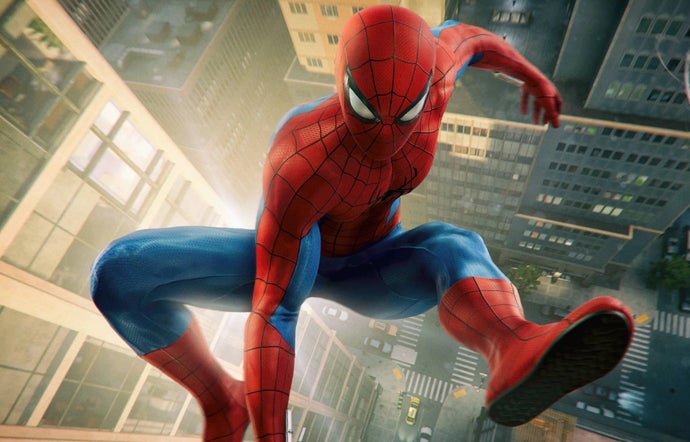
Image: courtesy of EuroGamer
How 'Brand New Day' Gave Marvel's Spider-Man 2 Its Biggest Sales Surge Yet
Marvel's Spider-Man 2, a game released across PlayStation 5 and PC between 2023 and 2025, recently experienced its most significant sales increase in years. This surge coincided with the release of the new cinematic blockbuster, *Spider-Man: Brand New Day*, which achieved over $1.6 billion at the global box office. The film's immense popularity, coupled with a timely in-game costume update and a discount, reignited player interest, leading to an estimated 316,000 additional copies sold and $11 million in revenue.
Outlook
Background
The success of Spider-Man: Brand New Day at the global box office has been nothing short of extraordinary. The film quickly soared past the $1 billion mark globally within just six days of its release, eventually accumulating a staggering $1.67 billion worldwide, with $655 million from North American theaters. This cinematic phenomenon created a powerful ripple effect, extending its influence beyond the silver screen and into the gaming world.
Marvel's Spider-Man 2, developed by Insomniac Games and published by Sony, first launched for the PlayStation 5 on October 20, 2023, and later for PC via Steam on January 30, 2025. Despite being an established title, new data estimates from Alinea Analytics confirm a substantial sales boost since the film's debut. The game sold an additional 316,000 copies across both platforms, generating approximately $11 million in revenue.
A critical component of this renewed interest was a free in-game update released on July 28, 2026. This update introduced the 'Fresh Start' suit, directly inspired by the Spider-Man: Brand New Day film. Concurrently, skins and accessories related to the movie were also added to the popular battle royale game Fortnite Battle Royale. This cross-promotional effort was amplified by the film's unprecedented social media reach, recorded at 2.86 billion by RelishMix, an analytics firm. A well-timed discount on Marvel's Spider-Man 2 also played a part in converting this renewed interest into actual sales, making the older title more accessible to new players and those looking to revisit the game.
See also
Precedents
The idea of cross-media synergy, where the success of one entertainment product boosts another, is not new. Historically, major film releases have often been accompanied by video game adaptations, though the quality and commercial success of these tie-ins have varied wildly. What sets the Spider-Man: Brand New Day and Marvel's Spider-Man 2 situation apart is that the game was not a direct adaptation released concurrently with the film. Instead, it was an existing, premium title that received a significant lift years after its initial launch.
Previous examples often involved new games launched with a movie, like the Star Wars or James Bond film-game cycles of decades past. More recently, the success of TV shows like The Witcher or Cyberpunk: Edgerunners has driven renewed interest and sales for their respective video game counterparts, The Witcher 3: Wild Hunt and Cyberpunk 2077. These cases demonstrated the power of narrative connection and brand exposure. However, the scale and speed of the sales boost for Marvel's Spider-Man 2, driven by a costume update and a discount for a game already a few years into its lifecycle, highlight a refined approach to leveraging intellectual property.
This particular case also differs from the live-service model, where consistent content updates are expected to maintain player engagement. Marvel's Spider-Man 2 is primarily a single-player, narrative-driven experience. Its sales spike indicates that even without a continuous live-service framework, a well-placed, high-quality content update tied to a massive cultural event can significantly extend a game's commercial tail.
The unexpected sales resurgence of Marvel's Spider-Man 2 is more than just a win for Sony and Insomniac Games; it offers a compelling case study for the entire entertainment industry. For premium single-player games, the traditional sales curve typically sees a sharp peak at launch, followed by a gradual decline, with smaller bumps from sales events or major content expansions. This event demonstrates that a strategically executed cross-promotional effort can defy that curve, injecting substantial new revenue into an older title.
This success could reshape how studios approach the long-term monetization and cultural relevance of their intellectual properties. It validates the strategy of investing in high-quality, free content updates for established games, especially when timed with major external media events. It also highlights the immense value of a unified brand strategy where film, television, and gaming divisions coordinate their releases and content calendars.
For gamers, this could translate into more frequent and meaningful updates for beloved older titles, potentially extending their playability and value. For investors, it signals a new avenue for revenue generation from existing assets, potentially increasing the lifetime value of game franchises and making them more attractive acquisitions or development targets. The sheer social media reach of the film, translating directly into game sales, also underscores the power of organic cultural buzz as a marketing engine.
Scenarios
AnalysisOne clear outcome is that other major entertainment companies with strong cross-media intellectual property portfolios will likely scrutinize this strategy. Studios with popular film franchises and associated game series may look to replicate Sony's success, carefully timing game updates, discounts, and marketing pushes to coincide with major film or TV releases. This could mean more 'legacy content' updates for older games, offering new skins, modes, or even narrative tie-ins that connect directly to new cinematic or televised stories.
A second potential outcome involves the strategic planning of game and film release schedules. This event suggests that studios might become more deliberate in spacing out game releases from film releases, allowing a game to establish itself before receiving a second, film-driven sales wave. This could enable a more sustained revenue stream over several years, rather than compressing all sales into an initial launch window. It may also influence how developers prioritize post-launch content, with a greater emphasis on content that can be easily updated or themed to match future film events. Studios could also become more aggressive in bundling older games with new film releases or offering special edition game versions tied to cinematic milestones.
A third possibility is a renewed focus on the technical infrastructure of older games to support such updates. Ensuring that a game released years ago can still receive and seamlessly integrate new cosmetic items or small content additions becomes a critical operational consideration. This could drive investment in more modular game architectures that allow for easier post-launch content integration, thereby future-proofing titles for these kinds of synergistic events.
Timeline
2023-10-20
Marvel's Spider-Man 2 PlayStation 5 Release
Insomniac Games launches Marvel's Spider-Man 2 for the PlayStation 5 console.
2025-01-30
Marvel's Spider-Man 2 PC Release
The game becomes available to a wider audience with its release on PC via Steam.
2026-07-28
In-Game 'Fresh Start' Suit Update
A free update is released for Marvel's Spider-Man 2, adding the 'Fresh Start' suit inspired by the new *Spider-Man: Brand New Day* film. Related content also arrives in *Fortnite Battle Royale*.
2026-08-XX
Spider-Man: Brand New Day Film Release
The new *Spider-Man: Brand New Day* film is released, quickly achieving record-setting box office numbers.
2026-08-11
Film Box Office Milestone
*Spider-Man: Brand New Day* clears $1.67 billion globally, including $655 million domestically, having passed $1 billion in just six days.
2026-08-11
Marvel's Spider-Man 2 Sales Boost Confirmed
New data estimates by Alinea Analytics reveal Marvel's Spider-Man 2 sold an additional 316,000 copies and generated $11 million in sales since the film's launch, marking its biggest sales boost in years.
Frequently Asked Questions
*Spider-Man: Brand New Day* is a recent cinematic blockbuster film starring Tom Holland as the title hero. It achieved significant box office success, grossing over $1.6 billion globally.
Discussion
Be the first to share your thoughts.