
The swift action against Dbrand indicates Valve is taking a firm stance on controlling its intellectual property, particularly around its new hardware. This suggests that as the Steam Machine's official launch approaches, consumers should expect Valve to maintain tight control over its brand image and any associated products. It is likely that Valve will either develop its own line of official accessories or establish clear licensing partnerships with approved third-party manufacturers, rather than allowing a free-for-all approach. Any future third-party accessories for the Steam Machine will almost certainly require explicit licensing agreements to avoid similar legal challenges. For consumers, this could mean fewer unofficial customization options but potentially higher quality or officially sanctioned products.
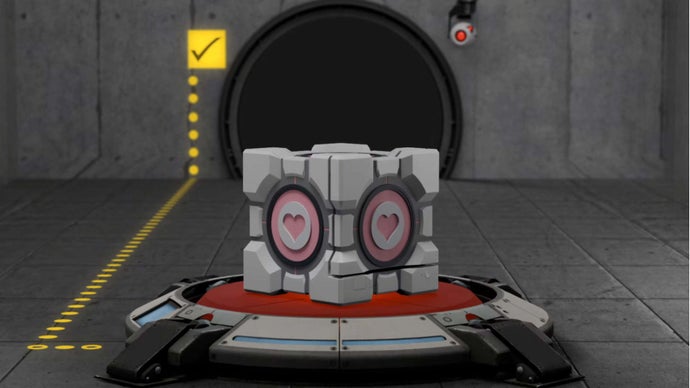
Image: courtesy of EuroGamer
Valve's Hard Line on Steam Machine IP Signals Tighter Control Ahead of Hardware Launch
Dbrand, a company known for custom device wraps, was forced to remove its 'Companion Cube' themed vinyl skin for Valve's upcoming Steam Machine. The product, which Dbrand developed without seeking a license, was taken down from all platforms last week after Valve issued a legal request. Dbrand is now processing refunds for all pre-orders, acknowledging its failure to secure rights to Valve's intellectual property. This aggressive enforcement by Valve comes as its new Steam Machine, initially announced in late 2025 for an early 2026 release, continues to face delays, with its launch now suggested to be imminent.
Outlook
Background
The incident with Dbrand unfolds against a backdrop of anticipation and delays for Valve's new Steam Machine. Valve first announced the device near the end of 2025, initially targeting an early 2026 launch. However, ongoing component shortages, particularly in memory, pushed back the release. FCC filings, made public recently, suggest the Steam Machine's launch could have occurred as early as before June 29, 2026. This timing aligns with Valve's confirmed plans to release two other hardware products in summer 2026: a redesigned Steam Controller, which is already available for $99, and the Steam Frame, a new virtual reality headset also affected by memory supply issues.
Adding to the signs of an impending release, Valve reportedly imported approximately 50 tonnes of hardware labeled 'game consoles' in two separate shipments earlier in 2026. This logistical movement implies significant inventory building for a consumer launch. Dbrand itself began developing its 'Companion Cube' wrap on November 12, 2025, the very day Valve announced the new Steam Machine, highlighting the rapid response of accessory makers to new hardware announcements. The 'Companion Cube' design is a distinctive element from Valve's popular 'Portal' game series, making its use without permission a clear infringement of Valve's intellectual property.
Precedents
Valve has a complex history with hardware and intellectual property enforcement. While the company is known for its open PC gaming platform, Steam, its ventures into hardware have been more measured and often tightly controlled, or conversely, surprisingly open-ended. The original Steam Machines, launched around 2015, were a more open ecosystem, allowing various manufacturers to produce hardware running SteamOS. This approach, however, did not achieve widespread market success, largely due to a fragmented hardware landscape and challenges with the operating system.
In contrast, the more recent Steam Deck, a handheld PC, saw Valve take a much more direct role in both hardware design and marketing. For the Steam Deck, Valve has been proactive in controlling its brand and ensuring a consistent user experience. While third-party accessories for the Steam Deck emerged, many of the more prominent ones either sought licensing or carefully avoided direct IP infringement. Valve's previous Steam Controller, though not a massive commercial hit, also demonstrated the company's commitment to specific hardware designs. This history suggests a learning curve: from the relatively hands-off approach with the first Steam Machines to a more integrated, controlled strategy with the Steam Deck and, now, seemingly with the new Steam Machine. The Dbrand incident indicates Valve is extending this tighter control to its intellectual property for future product lines, signaling a departure from the more permissive environment that characterized its earlier hardware efforts.
Valve's decisive action against Dbrand for an unlicensed Steam Machine accessory carries significant implications for several stakeholders. For Valve, it reinforces its commitment to protecting its intellectual property and maintaining control over the ecosystem surrounding its new hardware. This could be a strategic move to ensure a consistent brand image, prevent dilution of its IP, and potentially pave the way for its own line of official, high-margin accessories or carefully selected licensing partners. It signals to the broader market that Valve is serious about its hardware ambitions and will actively defend its creative assets.
For third-party accessory manufacturers, the Dbrand incident serves as a stark warning. It clarifies that even seemingly innocuous cosmetic products require explicit licensing when based on proprietary designs or intellectual property. This could lead to a more cautious approach from accessory makers, potentially slowing down the release of unofficial products but also driving them towards formal partnerships with Valve. This shift might also raise the barrier to entry for smaller accessory creators who lack the resources for licensing negotiations.
For consumers, the consequences are mixed. While they might see fewer spontaneous or 'bootleg' accessory options, they could ultimately benefit from higher quality, officially supported products that integrate seamlessly with the Steam Machine. However, this also implies less choice and potentially higher prices for accessories if the market becomes dominated by a few licensed players. The incident also highlights Valve's confidence in the Steam Machine's upcoming launch, suggesting the company is preparing for a significant market presence and is keen to manage every aspect of its debut.
Scenarios
AnalysisOne possible outcome is that Valve will continue its aggressive intellectual property enforcement, leading to a highly curated accessory market for the Steam Machine. This could mean Valve either launches its own suite of first-party accessories, much like console manufacturers do, or it establishes a formal licensing program, inviting select partners to create branded products. This scenario would ensure brand consistency and quality control, but it could limit consumer choice and potentially increase accessory prices.
Another outcome is that the Dbrand incident serves as a public warning, prompting third-party accessory makers to proactively seek licensing agreements with Valve. This could foster a more collaborative environment where officially sanctioned accessories proliferate, offering a wider range of options while still respecting Valve's IP. However, this relies on Valve being willing and able to manage a robust licensing program, which could be an operational challenge.
A third, more nuanced scenario, could see Valve focus its IP enforcement primarily on direct infringements of its core characters or designs, while allowing more generic or non-branded accessories to flourish. This would strike a balance between protection and fostering an open accessory market, similar to how the broader PC hardware market operates. The specific IP in question (Companion Cube) is a direct character, which might suggest Valve's focus is on preventing the unauthorized commercial use of its iconic characters rather than every single cosmetic element.
Timeline
Frequently Asked Questions
Discussion
Be the first to share your thoughts.