
The immediate market response to the U.S. strikes against Iran showcased the deep-seated anxiety surrounding Middle East stability. While initial trading saw Brent crude surge to between $80 and $82 per barrel, a rapid recalibration of sentiment followed. Traders appear to be weighing the odds of further escalation against the economic incentives for all parties to avoid a wider conflict. The coming days will likely see continued volatility in energy markets as analysts monitor for signs of de-escalation, further Iranian responses, or any concrete impact on shipping through the Strait of Hormuz. Geopolitical risk premiums could remain elevated, influencing not just oil, but broader equity and bond markets.
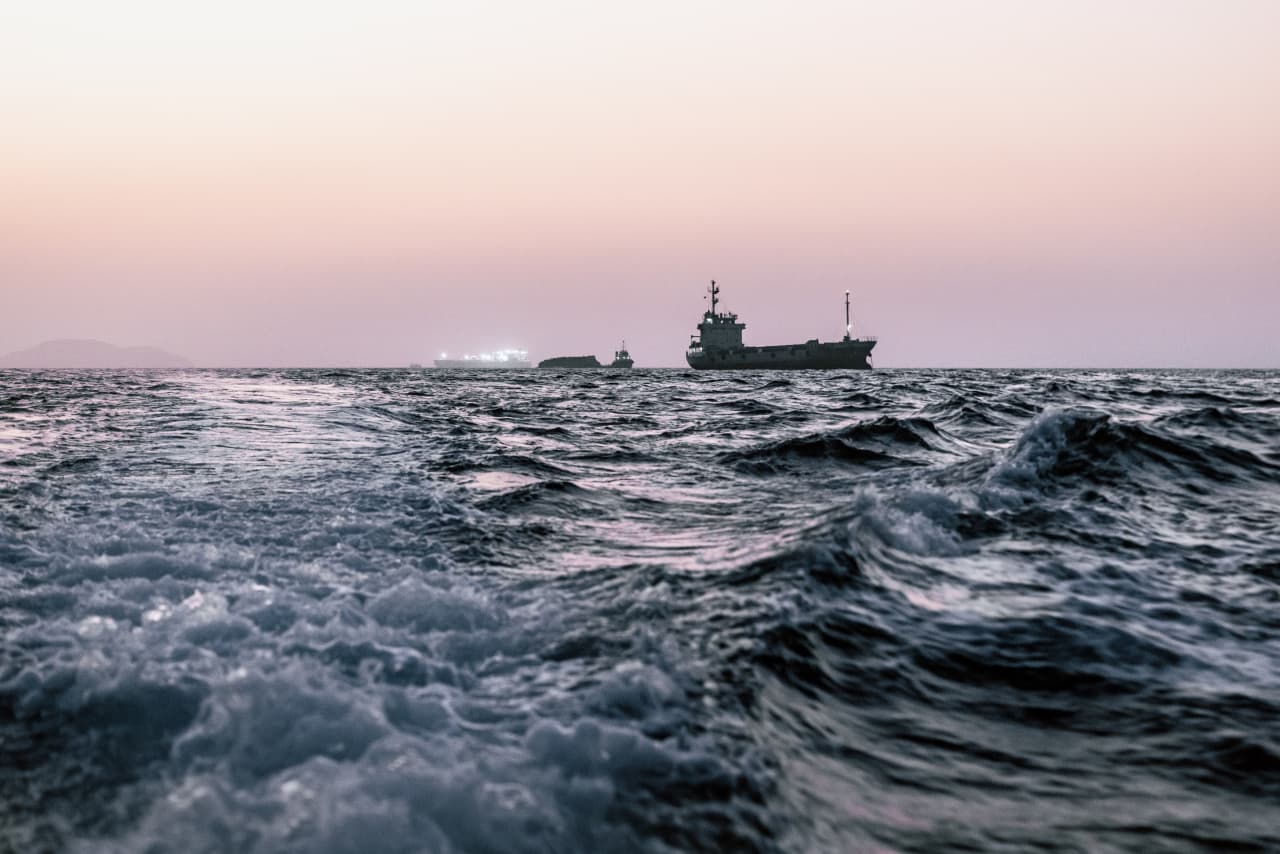
Image: courtesy of Market Watch
US Strikes Iran After Strait of Hormuz Incident, Oil Markets Grapple With Escalation Risks
The United States confirmed retaliatory military strikes against Iran yesterday, following an attack on a commercial vessel in the strategically vital Strait of Hormuz. The immediate aftermath saw oil prices rise sharply in after-hours trading, reflecting concerns over potential disruptions to global energy supplies. However, market sentiment later shifted, with oil prices tumbling as Wall Street appeared to price in hopes of a contained response from Iran, despite Tehran's confirmed counter-attacks on U.S. military bases in the region and reports of the Strait of Hormuz being closed.
Outlook
Background
The Strait of Hormuz is a narrow waterway connecting the Persian Gulf to the open ocean, through which roughly one-fifth of the world's total oil consumption, and a substantial portion of liquefied natural gas, passes daily. Its strategic importance makes any disruption a major concern for global energy security and prices. The recent U.S. strikes were confirmed as retaliation for an attack on a commercial vessel in this critical chokepoint. Iran's response included attacks on U.S. military bases and state media reports of the Strait's closure, though the practical implications of such a closure for shipping traffic remain to be fully assessed. These actions follow earlier U.S. military strikes against Iran on June 9-10, 2026, which reportedly targeted facilities of Iran's Islamic Revolutionary Guard Corps (IRGC).
See also
Precedents
History offers a clear, if unsettling, roadmap for how markets react to tensions in the Middle East, particularly involving the Strait of Hormuz. Disruptions or credible threats to shipping in the region have almost invariably led to sharp spikes in oil prices. The 1973 oil crisis, the Iran-Iraq War in the 1980s (the 'Tanker War'), and more recent incidents of attacks on oil tankers have all demonstrated the market's sensitivity to supply risks from the Gulf. While initial price surges are common, the duration and severity of these increases often depend on the perceived likelihood of prolonged conflict and actual supply interruptions. Markets often oscillate between fear of escalation and hope for de-escalation, leading to significant short-term volatility. The current situation mirrors these patterns, with an initial price surge followed by a retreat as market participants assessed the immediate fallout.
The flare-up between the U.S. and Iran carries significant economic and geopolitical consequences. For global consumers, sustained higher oil prices translate directly into increased costs for fuel, transportation, and goods, potentially fueling inflation and dampening economic growth. Businesses reliant on global supply chains face heightened uncertainty and increased shipping costs. For investors, the conflict introduces a substantial geopolitical risk premium into energy stocks and could trigger broader market corrections if fears of a wider conflict intensify. Beyond the immediate economic impact, the situation tests the fragile stability of the Middle East, raising concerns about regional alliances and the potential for a broader conflict that could destabilize global trade and diplomatic efforts. The reported closure of the Strait of Hormuz, if enforced, could trigger a severe global energy crisis.
Scenarios
AnalysisOne immediate outcome is continued market volatility. Oil prices, having seen an initial spike and subsequent tumble, could fluctuate wildly based on news of further military actions or diplomatic overtures.
Another scenario involves a period of cautious de-escalation. Both the U.S. and Iran have economic incentives to avoid a full-scale conflict, which could lead to back-channel negotiations or a tacit agreement to limit further direct military engagements. This could see oil prices stabilize, albeit at a higher baseline due to the lingering risk premium.
Conversely, a more direct confrontation remains a distinct possibility. Continued attacks on shipping, further retaliatory strikes, or a sustained closure of the Strait of Hormuz could trigger a severe supply shock, pushing oil prices dramatically higher and potentially tipping global economies into recession. Such an escalation would likely draw in regional and international powers, creating a much larger and more complex crisis.
Timeline
2026-06-09
Earlier U.S. Strikes on Iran
The U.S. military launched strikes against multiple targets in Iran, reportedly hitting Islamic Revolutionary Guard Corps (IRGC) service facilities and coastal outposts near Bandar Abbas airport.
2026-06-26
Commercial Vessel Attack in Strait of Hormuz
A commercial vessel was attacked in the Strait of Hormuz, an incident the U.S. attributed to Iran and cited as the trigger for its retaliatory actions.
2026-06-26
U.S. Confirms Retaliatory Strikes on Iran
The U.S. Pentagon confirmed it had carried out retaliatory strikes against Iran, targeting missile launch sites, air defense, and radar sites. Oil prices rose in after-hours trading following the announcement.
2026-06-26
Iran's Response: Counter-attacks and Strait Closure Reports
Iran responded with attacks on U.S. military bases in the region. State media also reported Iran's Islamic Revolutionary Guard Corps (IRGC) had closed the Strait of Hormuz over alleged ceasefire violations.
2026-06-27
Market Reaction: Oil Prices Tumble
As markets opened, U.S. stocks climbed and oil prices tumbled, reflecting Wall Street's hopes for a limited retaliation and de-escalation following the initial U.S. strikes and Iran's responses.
Frequently Asked Questions
The Strait of Hormuz is a narrow, strategically critical waterway located between the Persian Gulf and the Gulf of Oman. It is the only sea passage from the Persian Gulf to the open ocean and is one of the world's most important oil chokepoints. Approximately 20% of the world's petroleum and a significant portion of its liquefied natural gas pass through it daily, making its security vital for global energy markets.
Discussion
Be the first to share your thoughts.