
Volkswagen's reported plan to launch a U.S.-made electric pickup truck by 2030 suggests a fundamental reorientation of its North American business. Readers should expect Volkswagen to prioritize segments previously overlooked, specifically large SUVs and pickup trucks, which dominate American vehicle sales. This shift could lead to a more localized product portfolio, moving away from models that have struggled to resonate with U.S. consumers. The potential collaboration with Ford is a key element to watch, as it could streamline development and manufacturing, but also introduce complexities regarding brand identity and market positioning. Over the next few years, market observers will be looking for official confirmations, details on production timelines, potential factory investments in Tennessee, and any formal announcements regarding a partnership with Ford. The success of this strategy will largely hinge on Volkswagen's ability to tailor its offerings to American tastes and build a credible presence in a segment where brand loyalty runs deep.
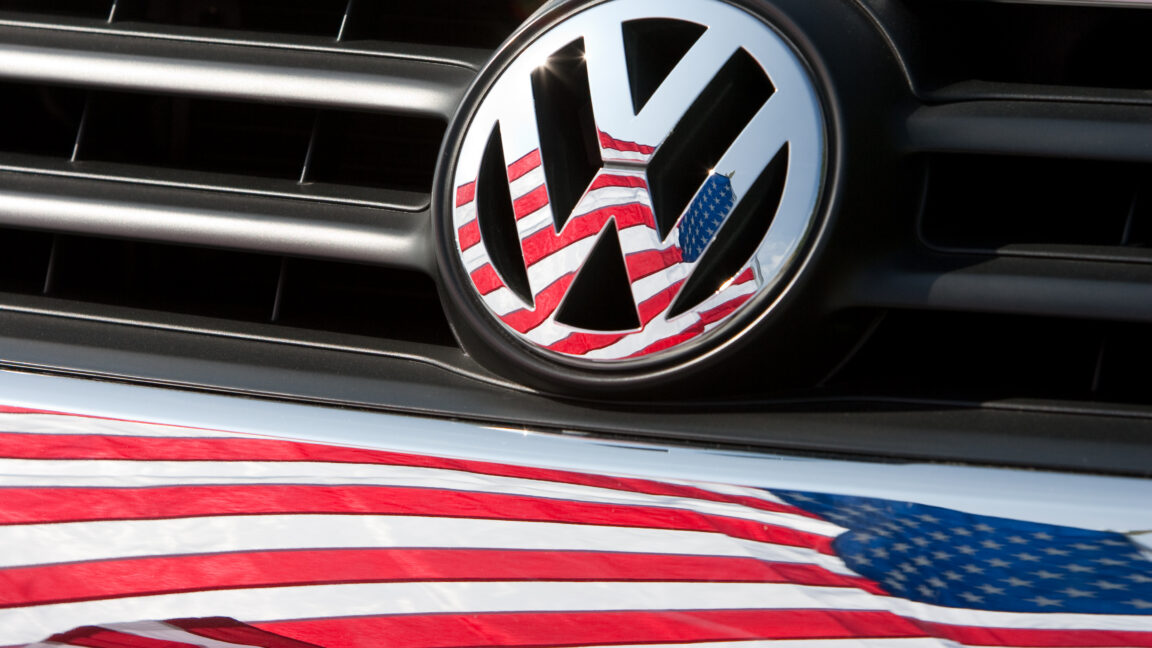
Image: courtesy of Ars Technica
Volkswagen's Pickup Play: Can an EV Truck Win Back America?
Volkswagen is reportedly planning a significant overhaul of its U.S. strategy, including the introduction of a U.S.-made electric pickup truck by 2030. This ambitious move, which may involve a partnership with Ford and production in Tennessee, signals a direct push into the highly profitable yet fiercely competitive American pickup and large SUV segments that the German automaker has largely ignored. The strategy shift also includes new leadership for its North American operations, with Marco Schubert replacing Kjell Gruner as head of the America unit. While details remain unconfirmed by Volkswagen, the reported plan represents a high-stakes effort to reverse years of underperformance in a critical market.
Outlook
Background
For years, Volkswagen has struggled to gain significant traction in the United States, a market dominated by domestic automakers and increasingly, by Asian brands. Despite being one of the world's largest car manufacturers, VW's U.S. market share has remained relatively small, often hovering in the low single digits. Its product lineup, historically strong in compact cars and sedans, has not fully aligned with the American preference for larger vehicles, particularly SUVs and pickup trucks.
This reported strategy shift comes at a crucial time for the auto industry, which is navigating a rapid transition to electric vehicles. The pickup truck segment, once considered resistant to electrification, is now seeing significant investment from traditional players like Ford with its F-150 Lightning and GM with its Silverado EV, alongside newer entrants like Rivian. These models are not just electric versions of existing trucks; they represent a new frontier of vehicle utility and performance, often commanding premium prices.
Volkswagen's reported decision to enter this segment, particularly with an electric model, indicates a recognition that its conventional approach in the U.S. has not yielded desired results. The company's global strategy, which includes a broader push into electrification and a streamlining of its product portfolio, provides the backdrop for this North American realignment. The reported change in leadership, with Marco Schubert taking the helm of Volkswagen's American division, further signals an intent for a fresh start and a more aggressive pursuit of market share.
Precedents
Volkswagen's history in the U.S. market is a complex narrative of ambition and repeated challenges. While iconic models like the Beetle once captured American hearts, the brand has found it difficult to consistently compete with established domestic and Asian rivals in later decades. Attempts to broaden its appeal, such as with the Phaeton luxury sedan or certain larger SUVs, often met with limited success, partly due to brand perception and a product portfolio not always tailored to local tastes.
Historically, foreign automakers entering the American pickup market have faced immense hurdles. Japanese brands like Toyota and Nissan have carved out niches with their Tundra and Titan models, but none have truly challenged the dominance of Ford, Chevrolet, and Ram. German luxury brands, while strong in sedans and SUVs, have largely steered clear of the pickup segment altogether, recognising the deeply ingrained loyalty and specific utility demands of American truck buyers.
The loyalty in the pickup segment is legendary. Many truck owners stick with a single brand for generations, viewing their vehicle not just as transportation but as a tool and a statement of identity. Breaking into this market requires not only a compelling product but also significant brand building, a robust dealer network, and a deep understanding of customer needs – areas where Volkswagen has historically been perceived as weaker in the U.S. compared to its rivals.
However, the shift to electric vehicles introduces a new variable. The EV transition could disrupt traditional loyalties, creating an opening for new players or those with a fresh approach. Early successes of electric pickups like the Ford F-150 Lightning suggest that a segment of the market is open to innovation, provided the product delivers on power, range, and utility. Volkswagen's strategy, if executed well, could capitalise on this evolving landscape, but it also carries the risk of repeating past missteps if the new truck fails to connect with the core American buyer.
This reported strategy shift is not merely about adding another model to Volkswagen's lineup; it represents a high-stakes gamble on the future of its entire North American operation. The U.S. market is a crucial battleground for global automakers, and Volkswagen's inability to secure a larger footprint here has been a persistent strategic weakness. By targeting the pickup and large SUV segments, Volkswagen is aiming directly at the most profitable and popular vehicle categories in the country. Success here could fundamentally alter its financial performance and global standing.
For consumers, a new electric pickup option from Volkswagen could inject more competition into a nascent but growing segment. More choices typically lead to innovation and potentially better value. For American manufacturing, the plan to build the truck in the U.S., likely in Tennessee, signals potential job creation and investment in domestic production, aligning with broader economic and political priorities.
For competitors, particularly Ford, General Motors, and Stellantis (Ram), a Volkswagen entry into the electric pickup market would mean another formidable challenger. A partnership with Ford, if it materializes, could be particularly impactful, potentially leveraging Ford's deep truck expertise and manufacturing scale while giving Volkswagen a faster path to market. However, it also raises questions about brand differentiation and the long-term strategic implications for both companies.
Ultimately, this move is about Volkswagen's ambition to become a truly global player across all major markets and segments. Its success or failure in this critical endeavor will have ripple effects across its global organisation, influencing future product development, investment decisions, and its overall competitive position in the electric vehicle era.
Scenarios
AnalysisOne possible outcome is that Volkswagen successfully launches a compelling U.S.-made electric pickup truck by 2030, potentially with Ford's collaboration. This could allow the company to finally gain significant market share in North America, particularly if the truck is well-received for its design, performance, and utility. Such a success could lead to increased profitability, further investment in U.S. manufacturing, and a more robust competitive position for Volkswagen in the global EV race. The strategic overhaul under new leadership could then be seen as a turning point for the brand in the U.S.
Conversely, the plan could fall short of its ambitious goals. The American pickup market is notoriously difficult to penetrate, and even with an electric offering, Volkswagen may struggle to overcome deep-seated brand loyalties and intense competition. Production delays, higher-than-expected costs, or a product that fails to resonate with American consumers could lead to disappointing sales. In this scenario, Volkswagen might find itself having invested heavily without a commensurate return, potentially leading to a re-evaluation of its U.S. strategy, further financial pressures, and a reinforcement of its historical struggles in the market.
Timeline
Frequently Asked Questions
Discussion
Be the first to share your thoughts.