
The clean energy sector is set for continued expansion, with market dynamics likely to remain a stronger driver than federal policy intervention in the near term. We can expect further investment into solar and wind projects, alongside advancements in battery storage and grid integration technologies. Corporate and state-level initiatives will probably continue to fill any gaps left by federal policy, pushing for decarbonization targets and increased renewable deployment. This ongoing growth will likely intensify debates around grid modernization, energy security, and the future of traditional fossil fuel industries.
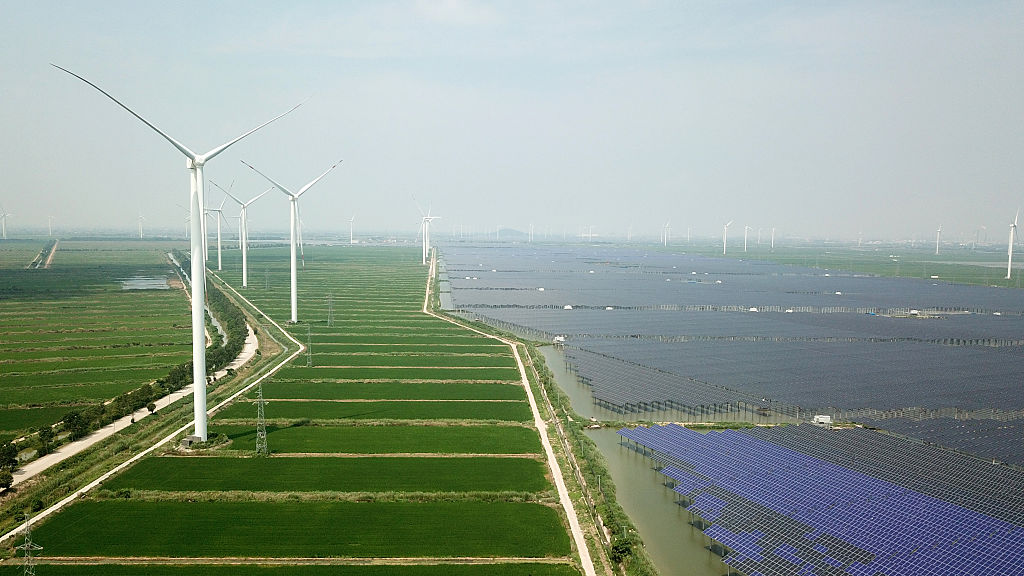
Image: courtesy of Ars Technica
The Market's Verdict: Why Clean Energy Is Booming Beyond Washington's Reach
Despite deliberate efforts by the Trump administration to slow its growth, the clean energy sector in the United States is experiencing an unexpected and robust boom. New additions of clean energy capacity are projected to hit a record 45 gigawatts (GWs) this year, driven by powerful economic and technological forces that appear to outweigh federal policy headwinds. This surge suggests a fundamental shift in the energy market, where the falling costs of renewables and growing demand are creating an unstoppable momentum.
Outlook
Background
The narrative around clean energy has often been deeply intertwined with political will and federal policy. Historically, government incentives, subsidies, and regulatory frameworks have played a significant role in fostering the nascent renewable sector. However, the current situation presents a notable divergence: a market segment thriving even when federal policy is actively attempting to restrain it.
During President Trump's administration, there were clear policy actions aimed at bolstering the fossil fuel industry and, by extension, curtailing the expansion of renewables. These included withdrawing the United States from the Paris Agreement, rolling back environmental regulations, and promoting coal and oil production. The expectation from these policies was a slowdown, if not a reversal, in the clean energy transition.
Yet, the data from 2026 tells a different story. Confirmed reports indicate that clean energy additions are projected to reach a record 45 GWs this year. This figure represents significant growth, particularly in solar power, which has seen dramatic cost reductions and efficiency gains. This robust growth, occurring against a backdrop of federal disincentives, highlights the increasing resilience and competitiveness of renewable technologies. It implies that the economic fundamentals and technological maturity of clean energy have reached a point where their trajectory is less dependent on federal mandates and more on pure market demand and cost effectiveness.
See also
Precedents
The current clean energy boom, despite federal headwinds, echoes historical patterns seen in other industries where technological advancement and economic efficiency eventually overpower policy resistance. A direct parallel can be drawn from the Trump administration's first term (2017-2021), when efforts to revive the coal industry largely failed. Despite rhetoric and some regulatory adjustments aimed at supporting coal, coal jobs continued to decline, and demand for coal power stagnated. This was not due to a lack of political will, but rather the overwhelming economic realities of cheaper natural gas and increasingly competitive renewables. Utilities were, and still are, making investment decisions based on long-term operational costs and fuel prices, not just short-term political preferences.
Similarly, the broader energy sector has a history of adapting to and eventually integrating new technologies. The shift from whale oil to kerosene, or from coal to oil and natural gas, were not always smooth, but were ultimately driven by the superior economics and utility of the newer sources. While policy can accelerate or decelerate these transitions, it rarely stops them entirely once a critical mass of technological maturity and cost-effectiveness is reached. The current clean energy surge suggests that solar and wind have crossed this threshold, making them attractive investments irrespective of federal sentiment.
The continued expansion of clean energy, even in the face of federal opposition, signals a profound and potentially irreversible shift in the global energy landscape. For investors, it confirms the long-term viability and growth potential of renewable assets, suggesting that capital allocation will increasingly flow towards these sectors regardless of political cycles. It also introduces a layer of institutional realism: certain market forces, driven by innovation and cost, can possess greater inertia than political directives.
For energy consumers, this trend means a more diversified, potentially more stable, and increasingly cost-effective energy supply. As more renewables come online, they reduce reliance on volatile fossil fuel markets, offering a buffer against geopolitical shocks that often impact oil and gas prices.
From a policy perspective, this boom challenges the traditional view of how energy transitions are managed. It implies that while federal policy can provide significant tailwinds, its absence or even opposition may not be enough to halt a transition driven by strong economic fundamentals and technological progress. This could lead to a more fragmented policy environment, where state and local governments, along with corporate actors, become even more critical drivers of energy decarbonization. It also means that future administrations, regardless of their stance, may find it increasingly difficult and expensive to reverse the momentum established by market forces. The real stakes here are not just about kilowatts, but about the very structure of power — both electrical and political.
Scenarios
AnalysisOne possible outcome is that the current market-driven growth in clean energy continues to accelerate, further cementing its position as a dominant energy source. This could force a re-evaluation of federal energy policy, as the economic benefits of renewables become too significant to ignore. Future administrations, even those initially skeptical, might find themselves compelled to support the sector to maintain economic competitiveness and energy independence. This scenario implies that the financial incentives for utilities and corporations to adopt renewables will continue to outweigh the costs of sticking with older, less efficient fossil fuel technologies.
Another outcome could involve increased tension between federal policies and state-level initiatives. As federal policy potentially continues to favor traditional energy sources, states and municipalities, often driven by local economic development goals and climate targets, may double down on their own clean energy mandates and incentives. This could lead to a patchwork of energy regulations and market conditions across the country, creating complexities for grid operators and national energy planning. It might also spur more private sector investment into states with supportive regulatory environments, further widening the gap between regions.
A third, more challenging scenario, involves potential strain on existing grid infrastructure. Rapid, decentralized clean energy growth requires significant investment in grid modernization, including transmission lines and advanced energy management systems. If this infrastructure investment lags behind the pace of renewable deployment, it could lead to reliability issues or bottlenecks, potentially slowing down future growth or increasing costs. This outcome would highlight the need for a coordinated national strategy, even if federal policy is not explicitly pro-renewable.
Timeline
2017-06-01
US Withdraws from Paris Agreement
The Trump administration announced its intention to withdraw the United States from the Paris Agreement on climate change, signaling a federal shift away from global decarbonization efforts. This move was widely seen as a symbolic and practical setback for clean energy policy.
2017-2021
Federal Deregulation and Fossil Fuel Support
Throughout President Trump's first term, the administration pursued policies aimed at reducing environmental regulations and boosting domestic fossil fuel production, particularly coal and oil. Despite these efforts, coal production continued to decline, and clean energy technologies saw continued cost reductions.
2020-11-04
US Officially Exits Paris Agreement
The withdrawal from the Paris Agreement became official, further solidifying the administration's stance on climate and energy policy. This was a key moment reinforcing the federal government's pivot away from international climate commitments.
2026-08-24
Clean Energy Boom Confirmed Despite Policy
Reports confirm that clean energy additions are projected to rise by a record 45 GWs in 2026. This data point highlights the robust growth of solar and other renewables, indicating that market forces and technological advancements are currently outpacing federal policy challenges.
Frequently Asked Questions
A gigawatt (GW) is a unit of power, representing one billion watts. 45 GWs of new capacity means the United States is adding enough clean energy generation capability to power millions of homes. This is a significant amount, showcasing rapid expansion in the sector, primarily from large-scale solar farms and wind installations.
Discussion
Be the first to share your thoughts.