
Tesla is expected to address the recall by installing warning labels and deploying software updates to the affected vehicles. Owners of Model 3 and Model Y vehicles manufactured between March 4, 2019, and April 29, 2026, will be notified by Tesla about the necessary steps. This immediate action aims to bring the vehicles into compliance with Chinese safety standards. Beyond the immediate fix, the company will likely face sustained scrutiny from the State Administration for Market Regulation (SMR) regarding its vehicle designs, especially in light of the upcoming 2027 ban on electric door handles.
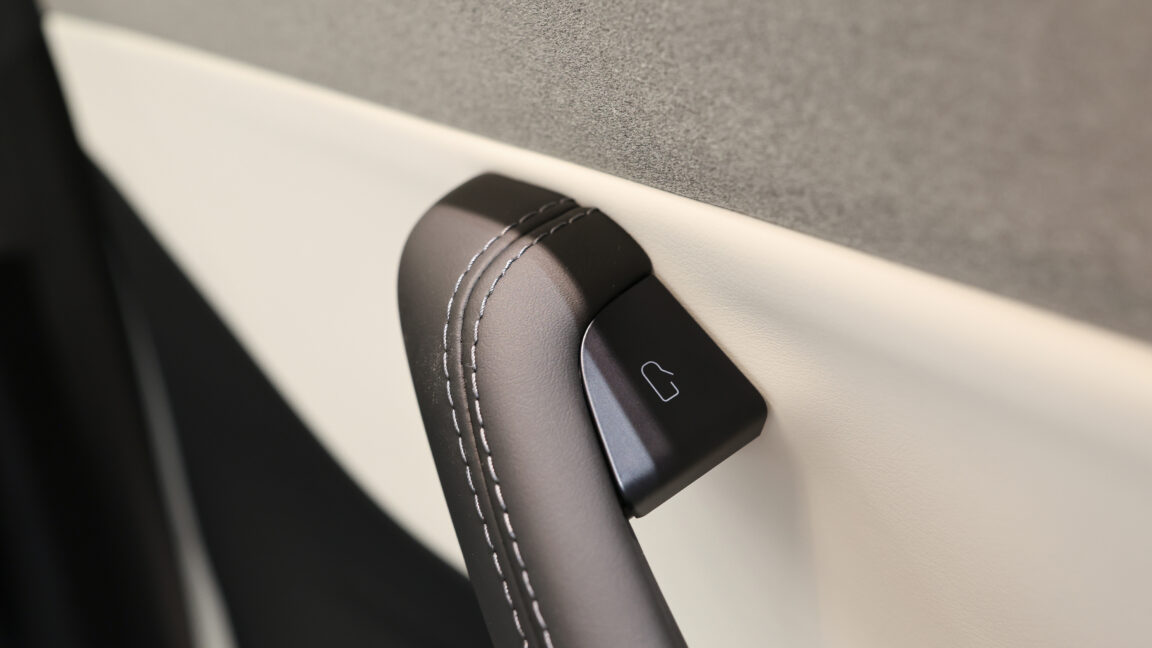
Image: courtesy of Ars Technica
Tesla's Record China Recall: A Deeper Look at Design, Regulation, and Market Pressure
Chinese regulators yesterday ordered Tesla to recall nearly 3 million Model 3 and Model Y vehicles, marking the company's largest recall to date. The move, driven by concerns over emergency door releases, comes as China prepares to ban electric door handles on new vehicles under 3.5 tons starting in 2027, signaling a tightening regulatory environment for automakers, particularly those with unconventional designs.
Outlook
Background
The order from China's State Administration for Market Regulation (SMR), issued on Friday, August 21, 2026, affects approximately 1 million Model 3 vehicles and nearly 2 million Model Y vehicles produced across a seven-year span. The core issue revolves around the vehicles' emergency door release mechanisms, a critical safety feature often overlooked until a crisis. For Tesla, whose design philosophy has often prioritized minimalism and digital interfaces, this recall highlights a tension between innovative aesthetics and established safety norms.
The context for this recall extends beyond a single technical flaw. Chinese regulators have indicated broader concerns regarding emergency door releases across the automotive industry. More significantly, the Chinese government has announced a ban on electric door handles for all vehicles under 3.5 tons, set to take effect in 2027. This forthcoming regulation will mandate that such vehicles incorporate manual internal door release mechanisms. Tesla's current Model 3 and Model Y designs prominently feature electric release buttons, with mechanical overrides often less intuitive for first-time users or in emergency situations.
This regulatory shift suggests a move towards standardizing safety features, potentially forcing all manufacturers, including Tesla, to re-evaluate fundamental aspects of their vehicle architecture for the Chinese market. It is a clear signal that the world's largest automotive market is asserting its own safety priorities, which may not always align with global design trends.
Curiously, this significant regulatory action against Tesla comes amidst other developments that suggest a nuanced relationship. Shanghai, for instance, has permitted 10 Tesla vehicles to conduct tests using the company's latest autonomous driving software. This indicates that while regulators are firm on safety compliance, they are not entirely closed off to Tesla's technological advancements, creating a complex operating environment for the automaker.
See also
Precedents
Tesla has faced numerous recalls globally, though the scale of this Chinese order, encompassing nearly 3 million vehicles, is unprecedented for the company. Historically, recalls are a common occurrence in the automotive industry, often driven by software glitches, component failures, or regulatory mandates. However, the nature of this recall—focusing on emergency door releases and coinciding with a new regulatory stance on electric door handles—suggests a deeper systemic pressure on Tesla's design choices.
China has a history of assertive regulatory oversight, particularly in critical sectors like automotive manufacturing. Foreign companies operating in China frequently encounter stringent compliance demands that can differ from those in their home markets. For instance, data localization requirements and specific testing protocols are common. In the past, other global automakers have adapted vehicle designs or software features specifically for the Chinese market to meet local preferences or regulatory standards.
For Tesla, its journey in China has been a mix of rapid expansion and periodic regulatory friction. The company invested heavily in its Shanghai Gigafactory, which has become a cornerstone of its global production. This commitment has often been met with supportive local policies. However, the SMR has previously issued recalls for Tesla vehicles over issues ranging from cruise control systems to seatbelt warnings. Each instance has served as a reminder of the delicate balance Tesla must maintain between innovation, mass production, and navigating a powerful, often opaque, regulatory landscape.
The broader trend in China's EV market also shows increasing competition from domestic players like BYD, Nio, and Xpeng, which are rapidly innovating and gaining market share. These local companies often design their vehicles with Chinese consumer preferences and regulatory expectations in mind from the outset. This competitive intensity adds another layer of pressure on Tesla to not only comply with regulations but also to maintain its appeal and operational efficiency.
This recall is more than a logistical challenge for Tesla; it represents a significant institutional test in its most critical overseas market. The sheer volume of vehicles involved, nearly 3 million, translates into substantial operational costs and potential brand damage, even if the fixes are software-based.
The real stakes, however, lie in China's assertive regulatory posture. The SMR's action, coupled with the impending 2027 ban on electric door handles, strongly indicates that Beijing is willing to enforce its own safety standards, even if they diverge from global norms or challenge the design philosophy of major international brands. For Tesla, a company known for its distinctive and often minimalist vehicle interiors, this could necessitate fundamental design changes to comply with future regulations in China. This is not merely about a software patch; it is about the physical architecture of the vehicle's most basic safety features.
Such a shift could have ripple effects on Tesla's global production and design strategy. If a significant market like China demands a different door mechanism, it creates complexity and potential cost increases across its manufacturing base. It also raises questions about whether other markets might follow suit, or if Tesla will be forced to develop distinct 'China-spec' vehicles.
Furthermore, the timing is crucial. China's domestic EV manufacturers are rapidly closing the gap with Tesla in terms of technology and market appeal. A large-scale recall and the requirement for design alterations could provide an opening for these local competitors to highlight their adherence to national standards and potentially erode Tesla's market dominance. For consumers, the perceived reliability and safety of Tesla vehicles in China could be impacted, influencing purchasing decisions in an increasingly crowded market. This situation compels Tesla to not only execute the recall flawlessly but also to demonstrate a clear commitment to local regulatory compliance and safety, all while maintaining its competitive edge.
Scenarios
AnalysisOne possible outcome is that Tesla successfully implements the required software updates and warning labels, mitigating the immediate safety concerns and satisfying regulators. This would allow the company to move past the recall with minimal long-term impact on its sales and market position, assuming the fixes are effective and do not significantly alter the user experience. However, the looming 2027 ban on electric door handles would still require a more substantial design overhaul for future vehicles sold in China. This approach would see Tesla adapting its vehicle architecture specifically for the Chinese market, potentially leading to 'China-only' interior designs for its Model 3 and Model Y, or even a global design shift to streamline production.
Alternatively, this recall and the broader regulatory environment could signal a more challenging period for Tesla in China. Persistent regulatory scrutiny, coupled with the design constraints imposed by the 2027 ban, might slow down Tesla's product development cycles or increase its operational costs in the region. This scenario could see Chinese consumers, already presented with a strong array of domestic EV options, begin to favor local brands that are perceived as more aligned with national standards and design preferences. If Tesla struggles to adapt its core designs to meet these specific regulatory demands without compromising its brand identity or efficiency, its market share in China could gradually erode, forcing a re-evaluation of its long-term strategy in the country.
Timeline
March 4, 2019
Start of affected Model 3 production
The earliest date for Tesla Model 3 vehicles included in the Chinese recall.
April 29, 2026
End of affected Model 3 production
The latest date for Tesla Model 3 vehicles included in the Chinese recall.
2019 - 2026
Affected Model Y production window
The general production period for Tesla Model Y vehicles included in the Chinese recall.
August 21, 2026
Chinese regulators order recall
China's State Administration for Market Regulation (SMR) orders Tesla to recall nearly 3 million Model 3 and Model Y vehicles over emergency door release concerns.
2027
Electric door handle ban takes effect
The Chinese government's ban on electric door handles for new vehicles under 3.5 tons comes into force, requiring manual internal releases.
Frequently Asked Questions
The recall primarily affects nearly 1 million Model 3 vehicles manufactured between March 4, 2019, and April 29, 2026, and nearly 2 million Model Y vehicles manufactured between 2019 and 2026.
Discussion
Be the first to share your thoughts.