
The legal dispute will likely center on whether products like peer-to-peer fantasy contests and event-based prediction contracts constitute traditional sports betting under Florida law. As both parties prepare for prolonged litigation, state regulators and commercial operators across the country will watch closely to see if digital workarounds can successfully bypass exclusive state compacts.
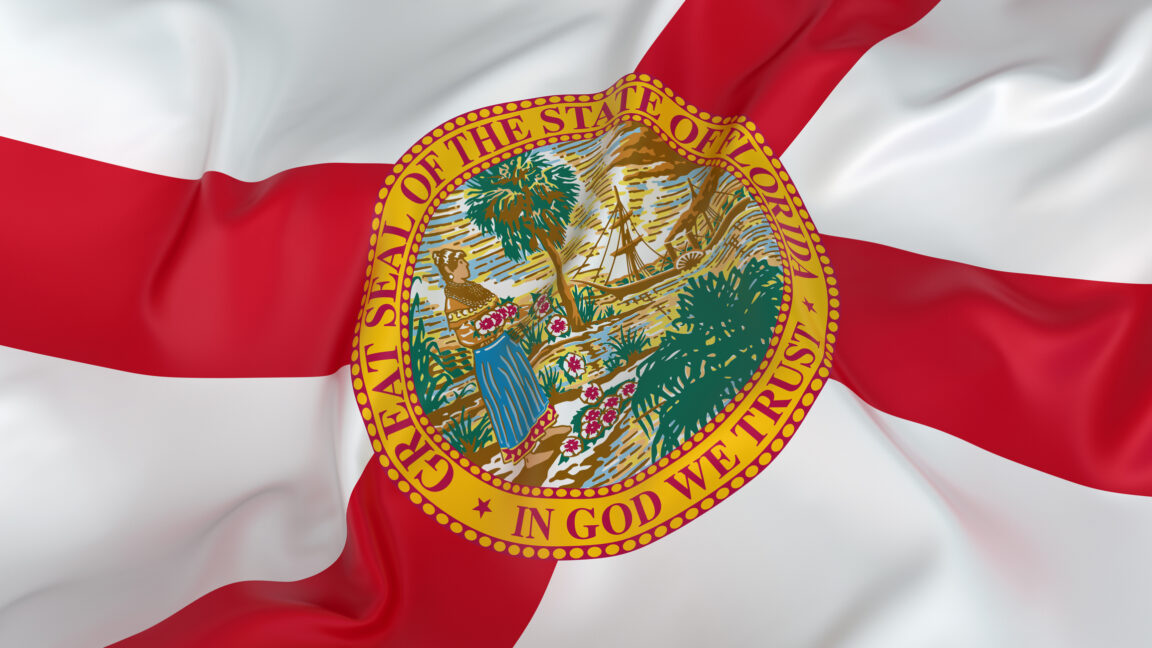
Image: courtesy of Ars Technica
Why the Seminole Tribe’s Lawsuit Against DraftKings Threatens the Economics of State Monopolies
The Seminole Tribe of Florida has filed a 72-page lawsuit in Broward County Circuit Court accusing DraftKings of running unlicensed sports betting operations through its Pick6 fantasy contests and prediction markets. The legal battle tests the boundaries of state-sanctioned tribal monopolies against the creative legal structuring of digital gaming platforms.
Outlook
Background
Under a 2021 gaming compact signed by Governor Ron DeSantis and approved by federal regulators, the Seminole Tribe secured exclusive rights to run online and retail sports betting in Florida for nearly 25 years. In exchange for this monopoly, the tribe agreed to pay billions of dollars in revenue-sharing funds to the state government. DraftKings, which does not operate its primary sportsbook app in Florida, defends its presence by arguing that its Pick6 product and prediction markets function as fantasy sports and financial derivative trading rather than sports wagering.
Precedents
State gaming monopolies have routinely faced pressure from digital operators seeking entry into lucrative markets without paying the steep licensing or revenue-sharing costs required of official partners. Past conflicts in states like New York and California demonstrate that commercial platforms frequently test legal definitions by re-labeling sports wagers as skill-based fantasy contests, financial trades, or sweepstakes. Tribal entities, protected by federal Indian gaming laws and state compacts, have historically responded with aggressive litigation to protect both their territorial exclusivity and the public-private financial models underpinning state budgets.
The outcome of this litigation extends far beyond Florida's borders, carrying direct consequences for how digital entertainment companies operate across state lines. If commercial apps can successfully carve out legal exemptions through prediction markets and fantasy variations, the multi-billion-dollar revenue-sharing agreements between states and tribal nations could unravel. For the Seminole Tribe, the stakes involve protecting the funding streams that support essential tribal government services and infrastructure.
Scenarios
AnalysisA Florida state court could grant the Seminole Tribe’s request for an injunction, forcing DraftKings to halt its Pick6 and prediction market operations within the state.
Alternatively, legal proceedings could drag on through appellate courts as DraftKings defends its classification of financial derivatives and fantasy sports, potentially leading to a negotiated settlement or legislative clarification from state lawmakers.
Timeline
April 2021
Florida Gaming Compact Signed
Governor Ron DeSantis and the Seminole Tribe of Florida reach a 30-year gaming compact granting the tribe exclusive rights to online sports betting in exchange for billions in revenue-sharing payments.
October 2026
Seminole Tribe Files Lawsuit
The Seminole Tribe files a 72-page complaint in Broward County Circuit Court against DraftKings and GUS III LLC, alleging illegal sports betting operations via Pick6 and prediction markets.
Frequently Asked Questions
DraftKings argues that its offerings in Florida—such as Pick6 fantasy contests and sports prediction markets—are legally distinct from sports betting, classifying them instead as fantasy sports and financial derivative trading.
Discussion
Be the first to share your thoughts.