
The successful test flight of the Airbus A350-1000ULR indicates that the technical hurdles for ultra-long-haul commercial aviation are largely being overcome. Qantas is confirmed to begin receiving its fleet of A350-1000ULR aircraft in April 2027, with 11 more to follow. This delivery schedule suggests that the airline is on track to launch its Project Sunrise flights later that year, connecting Australia directly with destinations in Europe and the United States. Passengers should expect to see new direct routes emerge, significantly cutting travel times by eliminating layovers. However, these flights will also introduce new challenges related to passenger comfort and crew management over such extended periods.
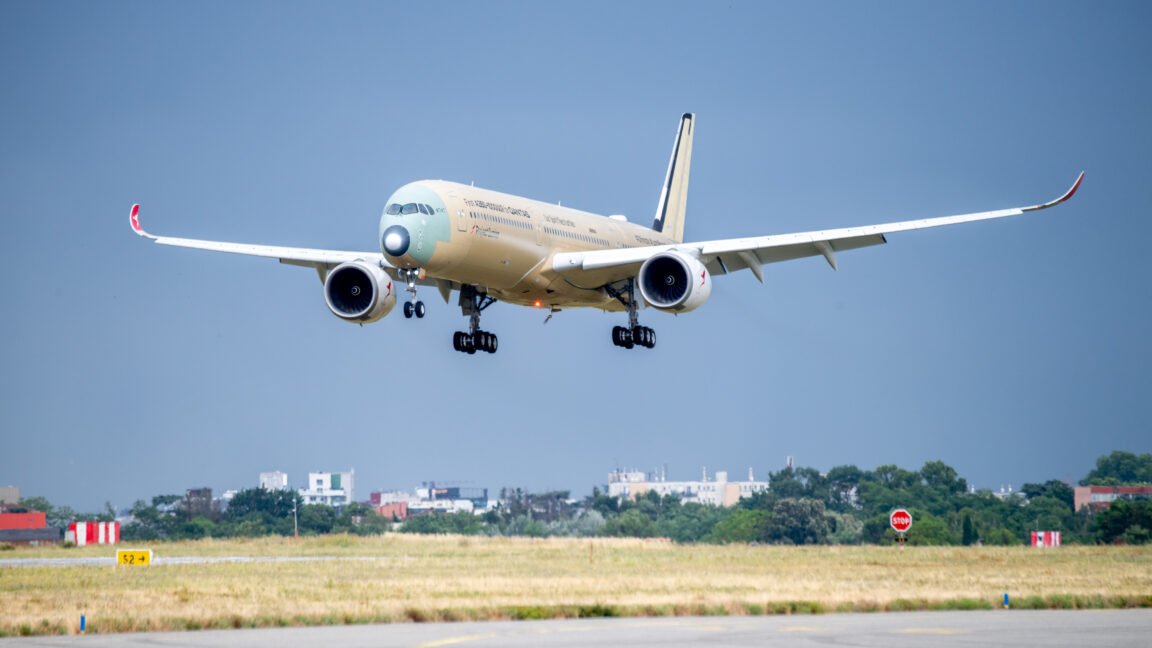
Image: courtesy of Ars Technica
Qantas's 24-Hour Flight Record: What Ultra-Long-Haul Actually Means for Air Travel
An Airbus A350-1000ULR, specifically designed for Qantas Airways, completed a record-breaking 24-hour, 24-minute nonstop test flight from Melbourne, Australia, to Toulouse, France, on June 1, 2026. This flight, covering 23,076 kilometers, marks a significant step toward Qantas's Project Sunrise, which aims to launch the world's longest commercial nonstop routes, such as Sydney-London, starting in 2027. The aircraft's 'ultra long distance' (ULR) capability is attributed to an additional 20,000-litre fuel tank.
Outlook
Background
The concept of ultra-long-haul flights has been a long-standing ambition in commercial aviation, promising to redefine global connectivity. Qantas, in particular, has pursued this goal with its 'Project Sunrise' for several years, named after the iconic 1930s Qantas flights during which passengers would experience two sunrises on a single journey. The Airbus A350-1000ULR is a specially modified version of the standard A350-1000, engineered to carry more fuel and operate efficiently over extreme distances. This modification includes an additional 20,000-litre rear center fuel tank, which was crucial for the record-breaking flight from Melbourne to Toulouse. The flight path itself, navigating northeast over the Pacific, across North America, and then over the Atlantic and UK to France, demonstrated the aircraft's range and operational flexibility across diverse airspace and weather conditions. The public interest in the flight was high, triggering a surge in online tracking as the aircraft made its journey across three continents and two oceans. This level of interest underscores the market's curiosity about the future of air travel and the potential convenience these direct routes could offer.
See also
Precedents
The aviation industry has a history of pushing boundaries in flight range and endurance, driven by both commercial opportunities and technological advancements. Early transatlantic flights and the development of long-range jets like the Boeing 747 and Airbus A340 each marked significant leaps in connecting distant points. Qantas itself has been a pioneer, having operated a record-breaking test flight in 2019 from New York to Sydney using a Boeing 787 Dreamliner, which was a precursor to Project Sunrise. Historically, each increase in flight range has led to new market dynamics, sometimes creating direct routes that bypass traditional hub airports. The introduction of longer-range aircraft has often been met with questions about passenger comfort and crew fatigue, leading to innovations in cabin design and operational protocols. The current push towards ultra-long-haul flights with the A350-1000ULR is a continuation of this pattern, seeking to open new non-stop city pairs that were previously unviable or required multiple stops.
The successful 24-hour test flight of the Airbus A350-1000ULR is more than just an aviation record; it signals a fundamental shift in how people might travel between continents. For passengers, the primary benefit is convenience: direct flights eliminate the need for layovers, reducing overall travel time and the stress associated with transfers and potential delays. This could be particularly appealing for business travelers and tourists seeking the fastest possible journey between major global cities like Sydney and London. For airlines like Qantas, these ultra-long-haul routes offer a competitive edge, allowing them to capture premium market segments willing to pay for direct connections. It also has implications for operational efficiency, as direct flights can sometimes be more fuel-efficient than multi-stop journeys when considering total flight time and ground operations. However, the economic viability depends on maintaining high load factors for these specialized aircraft and managing the higher fuel costs associated with carrying extra weight and flying longer distances. Furthermore, the extended flight times raise important considerations for passenger well-being, including managing jet lag, providing adequate space, and ensuring comfort during a full day aboard an aircraft, as well as addressing crew fatigue and regulatory requirements for rest periods.
Scenarios
AnalysisThe introduction of ultra-long-haul commercial flights by Qantas could lead to several distinct outcomes.
One likely outcome is a redefinition of travel routes and passenger expectations. As more direct city-pair connections become available, travelers may increasingly prioritize nonstop options, even if they come at a premium. This could put pressure on airlines operating traditional hub-and-spoke models to offer competitive alternatives or risk losing market share on specific routes. Qantas's move could also spur other airlines to invest in similar ultra-long-range aircraft or modify existing fleets to compete, potentially leading to a broader expansion of nonstop options globally.
Another significant outcome involves the evolution of cabin design and passenger experience. With flights lasting 24 hours or more, passenger comfort becomes paramount. Airlines will need to innovate beyond current standards, potentially incorporating dedicated rest areas, more spacious seating configurations, and enhanced in-flight entertainment and service offerings to justify the extended time in the air. This could also drive changes in how airlines manage crew rotations and fatigue, potentially requiring additional crew members or longer layovers between flights to comply with safety regulations.
A third area of consequence is the economic and operational viability of such routes. While the technical capability is proven, the sustained profitability of ultra-long-haul flights will depend heavily on fuel prices, passenger demand for premium services, and the ability to efficiently manage crew and aircraft utilization. High fuel costs could make these routes less attractive, while strong demand could justify the investment. Airlines will need to carefully balance ticket pricing with the operational costs to ensure these routes are not just technically feasible but also financially sustainable over the long term.
Timeline
2026-06-01
Airbus A350-1000ULR Completes Record Test Flight
An Airbus A350-1000ULR, built for Qantas's Project Sunrise, successfully completes a 24-hour, 24-minute nonstop test flight from Melbourne, Australia, to Toulouse, France, covering 23,076 kilometers. This flight demonstrates the aircraft's ultra-long-distance capability, made possible by an additional 20,000-litre fuel tank.
2027-04
First A350-1000ULR Delivery to Qantas
Qantas Airways is scheduled to receive its first Airbus A350-1000ULR aircraft in April 2027. This delivery marks a crucial step before the airline can commence commercial ultra-long-haul services as part of Project Sunrise. Qantas expects to receive 11 additional aircraft after this initial delivery.
2027
Project Sunrise Commercial Flights Launch
Qantas plans to launch its Project Sunrise commercial nonstop flights later in 2027. These services are expected to include routes like Sydney-London and potentially other connections between Australia and destinations in the United States and Europe, significantly reducing travel times by eliminating layovers.
Frequently Asked Questions
Project Sunrise is Qantas Airways' initiative to operate ultra-long-haul nonstop commercial flights, connecting major Australian cities like Sydney and Melbourne directly with destinations in Europe and the United States. The goal is to significantly reduce travel times by eliminating layovers.
Discussion
Be the first to share your thoughts.