
Congress must decide whether to attach the $2 billion Artemis funding increase to the upcoming continuing resolution before the current stopgap measure expires on December 11, 2026. If approved, the money would flow to commercial partners like SpaceX and Blue Origin while expanding NASA's internal manufacturing capabilities for specialized flight hardware.
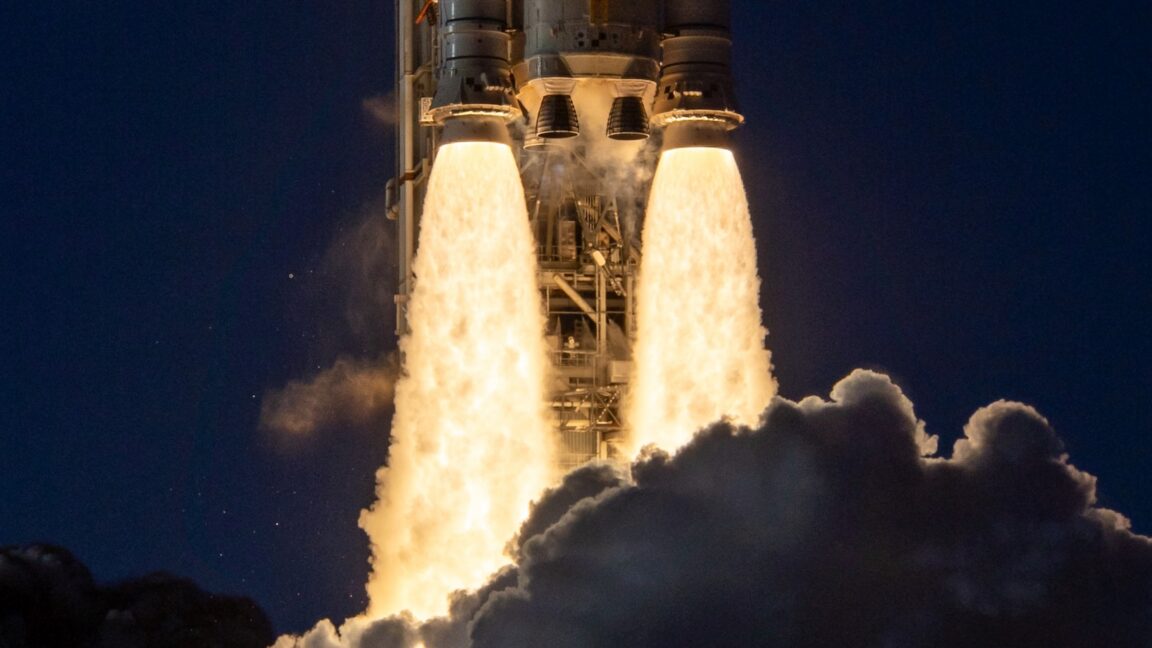
Image: courtesy of Ars Technica
The White House Wants to Pump $2 Billion Into Artemis. Congress Is the Real Bottleneck.
The White House has asked Congress for a $2 billion funding boost to lift NASA's annual Artemis budget from $7.8 billion to $9.8 billion. While framed as a race against China's lunar ambitions, the proposal faces a ticking clock with a December 11 deadline and deep fiscal resistance on Capitol Hill.
Outlook
Background
Announced on November 24, 2026, the White House request represents a roughly 25 percent increase over the $7.8 billion allocated to Artemis in fiscal year 2026. Beyond pouring cash into commercial lunar landers, policy language attached to the request signals a shift toward rebuilding NASA's in-house capacity to manufacture complex low-rate components and major assemblies, hedging against supplier delays.
Precedents
Large-scale federal space programs rarely receive sudden budget increases without fierce legislative friction. The Apollo program enjoyed massive Cold War funding surges, but modern NASA appropriations routinely face bipartisan budget caps, Continuing Resolution gridlock, and intense regional lobbying over where rocket parts are built.
When Washington attempts to accelerate aerospace engineering by fiat, money alone rarely solves supply chain bottlenecks, specialized labor shortages, and technical testing delays. The true test of this funding request is whether lawmakers can look past broader fiscal disputes to pass a stopgap measure before government funding lapses in December.
Scenarios
AnalysisCongress may approve the full $2 billion request within the new continuing resolution, giving NASA and its commercial partners immediate breathing room to accelerate lunar hardware development. Alternatively, lawmakers could trim the request or strip it from the stopgap bill entirely, forcing NASA to manage its existing $7.8 billion baseline while slowing down cadence.
Timeline
November 24, 2026
White House Submits Funding Request
The White House asks Congress to include a $2 billion boost for NASA's Artemis program in the upcoming continuing resolution.
December 11, 2026
Continuing Resolution Deadline
The current government stopgap funding measure expires, setting a hard legislative deadline for Congress to pass the new budget package.
Early 2027
Contractor Allocations
If approved, NASA would begin distributing the supplemental funds to commercial lander providers and internal manufacturing facilities.
Frequently Asked Questions
The White House is seeking an annualized funding rate increase of $2 billion, raising the Artemis budget from $7.8 billion to $9.8 billion.
Discussion
Be the first to share your thoughts.