
The initial rollout includes four original Xbox games: BLiNX: The Time Sweeper, Conker: Live and Reloaded, Crimson Skies: High Road to Revenge, and Fuzion Frenzy. These titles are immediately accessible through the Xbox app on Windows 11. For those who already own digital licenses for these games on an Xbox console, the Xbox Play Anywhere feature allows them to access the PC versions without a new purchase. Game Pass subscribers across all tiers also gain access to these titles as part of their membership. Microsoft has indicated this is an 'early preview release' and part of a 'bigger effort' to bring more Xbox console games to PC in the future. This suggests that the initial four games are a testbed, with more titles expected to follow later this year and into 2027. Future expansions could include a wider array of original Xbox games, and potentially, titles from the Xbox 360 era, provided technical and licensing hurdles can be cleared.
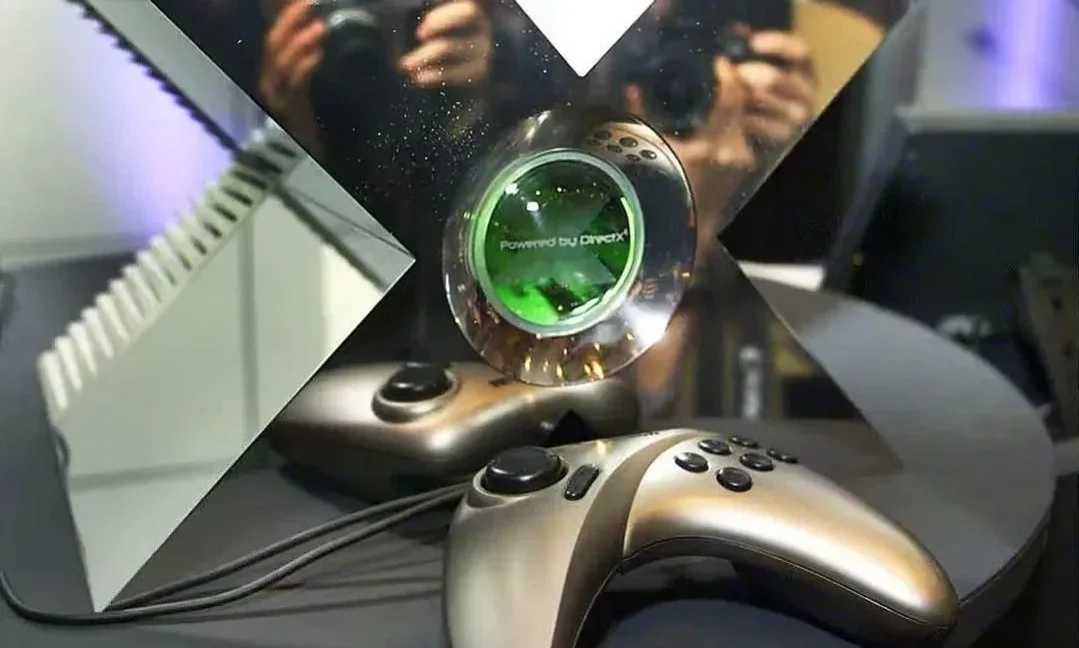
Image: courtesy of Ars Technica
Beyond the Console: How Xbox's PC Backward Compatibility Reshapes Microsoft's Gaming Ambitions
Microsoft confirmed yesterday that it is bringing original Xbox backward compatibility to Windows PCs, starting with a selection of four classic titles. This move, which makes games like BLiNX: The Time Sweeper and Conker: Live and Reloaded playable on Windows 11 and supported handheld devices, marks a significant step in blurring the lines between Microsoft's console and PC gaming ecosystems. Players with an Xbox Game Pass subscription or existing digital licenses can access these titles without additional cost, signaling a broader strategy around digital ownership and platform convergence.
Outlook
Background
Microsoft's decision to extend Xbox backward compatibility to Windows PCs arrived as a surprise for many, yet it fits squarely within a decade-long pattern of the company integrating its gaming platforms. The wall separating Xbox consoles from Windows PCs has grown increasingly permeable over the years, a trend that accelerated with the introduction of Xbox Play Anywhere in 2016. That initiative allowed players to buy a digital game once and play it on both Xbox and PC, sharing saves and achievements. More recently, Microsoft has embraced the burgeoning market for handheld gaming PCs, offering official Xbox branding and support.
This latest move solidifies Windows 11's position as a central hub for Microsoft's gaming strategy, encompassing not just native PC games but also cloud streaming through Xbox Cloud Gaming, and now, a growing library of classic console titles. The integration with Xbox Game Pass is particularly notable, leveraging the subscription service as a unified gateway to a vast and diverse game library across multiple device types. The technical implementation, which sources describe as official rather than emulation-based, suggests a robust, long-term commitment to preserving and delivering these older games in an optimized state for modern hardware.
Precedents
Microsoft has a long history of revisiting its gaming catalog, albeit with varying approaches. The original Xbox backward compatibility on Xbox 360, and later the extensive Xbox One and Xbox Series X|S backward compatibility programs, have allowed millions of players to access older titles on newer consoles. However, bringing these games to a fundamentally different architecture like a Windows PC presents a new set of technical challenges and opportunities.
The industry itself has seen a broader push for game preservation and accessibility. Nintendo, for instance, offers a rotating library of classic games through its Nintendo Switch Online subscription service. Sony has integrated its PlayStation Plus service with a catalog of older PlayStation titles, though its PC offerings are primarily modern ports and cloud streaming. Microsoft's approach with original Xbox games on PC stands out because it not only offers these titles as part of Game Pass but also recognizes existing digital console licenses, a nod to consumer ownership rights that is often overlooked by competitors. This builds on the precedent set by Xbox Play Anywhere, which was itself a significant departure from traditional console exclusivity, allowing a single purchase to unlock access across two distinct platforms. The company's consistent investment in Game Pass as a central pillar of its gaming business further reinforces this pattern, turning a subscription into the primary access point for both new releases and a growing archive of gaming history.
This initiative changes several core assumptions about Microsoft's gaming future. First, it further erodes the traditional concept of console exclusivity, reinforcing the idea that 'Xbox' is increasingly a service and an ecosystem, rather than solely a specific hardware box. For gamers, this means greater flexibility. A classic Xbox title purchased years ago on a console now has a new life on a PC or a handheld device, offering unprecedented choice in how and where these games are played. This expanded access could also drive adoption of Windows 11, particularly among gamers who own or are considering a gaming handheld PC.
Second, it significantly enhances the value proposition of Xbox Game Pass. Already a cornerstone of Microsoft's gaming strategy, Game Pass now offers access to an even deeper library, extending backward into the company's console heritage. This makes the subscription more attractive to a wider audience, including those nostalgic for older titles or new players looking to explore gaming history without the need for original hardware.
Third, and perhaps most importantly, this move signals a serious commitment to game preservation. Many classic games are difficult to access due to aging hardware or licensing issues. By officially bringing original Xbox titles to PC, Microsoft is ensuring these games remain playable and discoverable for future generations, a crucial effort in an industry often criticized for its ephemeral digital archives. It suggests Microsoft is positioning Windows, supported by Game Pass, as the ultimate platform for experiencing the entire breadth of Xbox's gaming legacy, from its earliest days to its latest releases.
Scenarios
AnalysisOne possible outcome is that Microsoft will significantly expand the library of original Xbox and potentially Xbox 360 titles available on PC. If the initial four games prove popular, this could pave the way for a rapid increase in the number of classic games made accessible, transforming Windows into a definitive archive for Xbox's console history.
Another scenario is that this initiative boosts the appeal of Windows 11-based handheld gaming PCs. With more classic console games available natively on these portable devices, consumers may see increased value in choosing Windows handhelds over other alternatives, strengthening Microsoft's position in this emerging hardware category.
Conversely, there is a possibility that the expansion remains limited. Technical challenges in porting a large number of older titles, or licensing complexities for games not directly owned by Microsoft, could constrain the growth of the backward compatible library on PC, leaving the initiative as a niche offering rather than a widespread platform shift.
A fourth outcome could see this move further accelerate the 'console-less' future of Xbox. If PC and cloud access become robust enough, the unique selling proposition of dedicated Xbox console hardware may diminish over time, leading Microsoft to focus even more heavily on its software and services across a broader array of devices.
Timeline
Frequently Asked Questions
Discussion
Be the first to share your thoughts.