
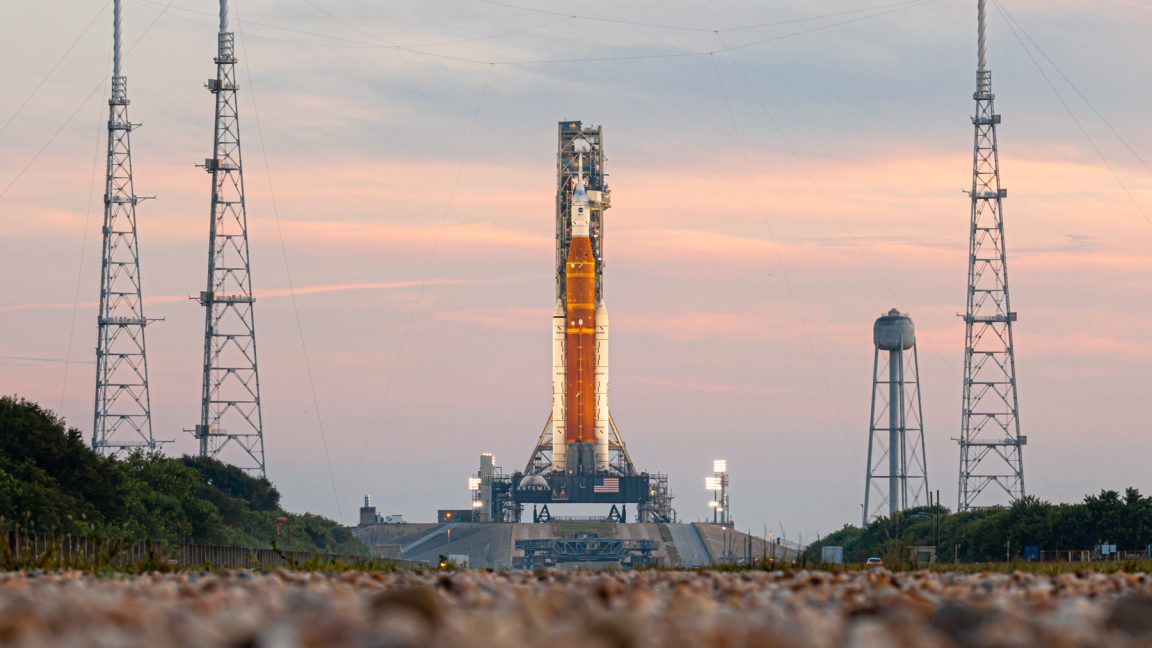
Over the next eighteen months, spaceport operations in Florida are highly likely to face severe operational friction. The immediate challenge is not the design of the rockets, but the mundane physics of moving electricity, water, and cryogenic fuel. SpaceX's proposed launch cadence of a Starship flight every eight days requires an unprecedented volume of liquid oxygen, liquid methane, and nitrogen. The current supply chain and pipeline systems at Kennedy Space Center (KSC) cannot support this flow rate without starving other launch pads.
Furthermore, the electrical substations feeding the launch complexes are old. Some systems still rely on technology installed during the Apollo program in the 1960s. Analysts suggest that a single major transformer failure at KSC could halt launch operations across multiple complexes for weeks, if not months, due to long procurement lead times for industrial electrical hardware.
To prevent a complete logjam, NASA and its commercial partners will likely have to negotiate a complex cost-sharing model to rebuild the center's utility corridors. This means that instead of focusing purely on flight testing, engineering teams from SpaceX and Blue Origin will have to spend significant capital and hours upgrading public, government-owned infrastructure. We should expect a series of tense negotiations over who pays for these upgrades, as NASA operates under tight congressional budget constraints, while commercial operators are burning through cash to get their super heavy systems operational.