
Expect continued legal challenges from the Association of Flight Attendants (AFA-CWA) as they push to block or significantly restrict the data sale. This situation will likely trigger a deeper debate around the definition and effectiveness of 'de-identification' in large datasets, especially when combined with Google's vast data capabilities. Regulators and lawmakers, already scrutinizing tech giants' data practices, may be prompted to examine bankruptcy procedures for asset sales involving sensitive employee information. For Spirit's former employees, the immediate future holds uncertainty regarding the security of their professional histories.
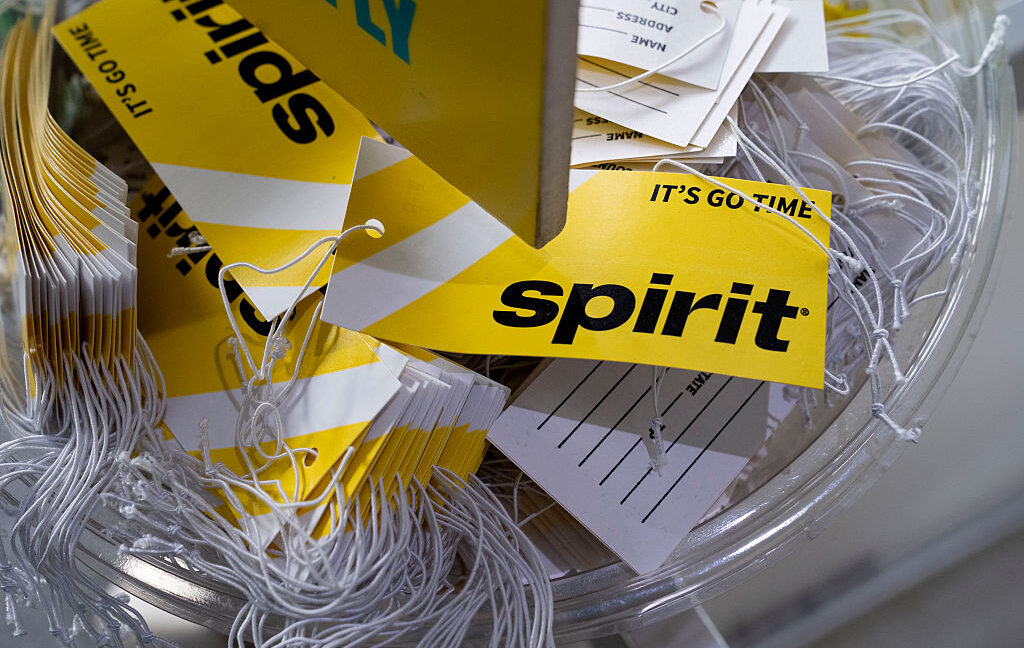
Image: courtesy of Ars Technica
Google's $10 Million Spirit Data Purchase: Why 'De-Identified' Employee Records Still Spark Privacy Fears
Google acquired Spirit Airlines' extensive employee data for $10 million yesterday, a move that has immediately drawn sharp objections from the Association of Flight Attendants (AFA-CWA). While the data is reportedly de-identified and does not include personal or customer information, the union and privacy advocates are concerned about the potential for re-identification and the broader implications for employee confidentiality in bankruptcy asset sales. Google has stated it will not re-identify individuals, but the sheer volume and nature of the workplace records have raised alarms among those who believe even anonymized data carries inherent risks.
Outlook
Background
Spirit Airlines, facing bankruptcy proceedings, moved to sell off its remaining assets. Among these assets was a massive trove of employee and workplace data, which Google acquired yesterday for $10 million. This data reportedly covers nearly the airline’s entire employment record, encompassing details of operations, staffing, and other internal workplace metrics. Crucially, the data explicitly excludes personal identifying information and customer data, with Spirit and Google stating it has been 'de-identified.'
'De-identification' is a technical process where direct identifiers, such as names, social security numbers, and addresses, are removed or obscured from a dataset. The intent is to make it difficult or impossible to link the data back to specific individuals. However, the Association of Flight Attendants (AFA-CWA), which represented Spirit’s crew members, immediately filed a motion opposing the sale. The union argues that even de-identified data, when combined with other public or private datasets, could potentially allow for individuals to be re-identified. Google has publicly committed not to re-identify individuals from this data, but the union’s concerns persist over the sheer volume and granularity of the information.
See also
Precedents
Data sales during corporate bankruptcies are not uncommon, as companies look to monetize every available asset to pay off creditors. Historically, such sales have often involved customer lists, intellectual property, or operational metrics. However, the sale of employee data, even de-identified, to a major tech company like Google, represents a less common and more contentious precedent. Privacy concerns have traditionally focused more on customer data breaches or the sale of consumer profiles, leading to the development of regulations like the General Data Protection Regulation (GDPR) in Europe and the California Consumer Privacy Act (CCPA) in the United States.
The regulatory framework around employee data, particularly in a bankruptcy context where assets are liquidated, is less robust and more ambiguous than consumer privacy laws. This creates a legal gray area that companies can sometimes exploit. Past instances of data re-identification, where researchers have demonstrated that seemingly anonymous datasets can be linked back to individuals using sophisticated techniques and external information, provide a backdrop to the current concerns. This history has led to a growing skepticism about the long-term effectiveness of de-identification, especially when dealing with unique employment histories that might be easier to pinpoint with enough external context. The present situation at Spirit Airlines could mark a critical juncture, pushing for clearer guidelines on how employee data is handled during corporate insolvency.
This transaction forces a critical examination of what constitutes 'private' in an era of big data and advanced analytics. For the thousands of Spirit Airlines flight attendants and other employees, the sale of their professional history, even in an anonymized form, feels like a breach of trust and a potential threat to their future privacy. The professional lives of these individuals, their work patterns, performance metrics, and other employment details, are now part of an asset sale to one of the world's largest data aggregators.
It also sets a potentially worrying precedent for how employee data, often seen as an internal operational asset, can be treated and sold during corporate insolvency. If Google, a company with immense data processing capabilities, can acquire such extensive workplace records, it raises questions about the scope of data monetization and the protections afforded to individuals whose professional lives become corporate assets. The outcome of this dispute could influence future bankruptcy proceedings and the legal definitions of data ownership and privacy. It highlights the tension between a company's need to liquidate assets and an individual's right to control their professional data, even after employment ends.
Scenarios
AnalysisThe legal challenge initiated by the Association of Flight Attendants (AFA-CWA) introduces significant uncertainty into the Google-Spirit data deal. Several paths could unfold:
1. AFA-CWA's legal challenge succeeds, restricting the sale: The union's motion could persuade the bankruptcy court to either block the sale of certain data categories or impose stricter conditions on Google's use of the data. This might require enhanced anonymization methods, independent oversight, or even the permanent destruction of specific data points. Such an outcome would set a stronger precedent for employee data protection in future bankruptcy sales, potentially forcing companies to re-evaluate what kinds of employee data can be considered sellable assets.
2. Sale proceeds with Google's assurances, but public scrutiny increases: The court might allow the sale to continue based on Google's commitment not to re-identify individuals and the data being de-identified. In this scenario, the immediate transaction proceeds, but intense public and regulatory pressure could follow. This pressure might lead to new industry standards or legislative efforts to safeguard employee data, especially in insolvency contexts, reflecting a growing unease about the commercialization of professional histories.
3. Google uses the data for broad, aggregated insights without re-identification: Google might leverage the vast dataset to study workforce trends, operational efficiencies, or industry-specific patterns, as intended, without ever attempting to link data back to individuals. This would demonstrate a potential, if controversial, utility for de-identified organizational data in broader economic or sociological research. However, the fundamental concern about the potential for re-identification would likely remain, particularly among privacy advocates.
4. The case highlights gaps in current privacy law, leading to new legislation: The controversy could expose the current legal ambiguities surrounding 'de-identified' employee data, particularly when sold to third parties during bankruptcy. This might spur lawmakers to introduce new regulations specifically addressing employee data rights and corporate responsibilities in such scenarios, potentially leading to a more robust legal framework for employee privacy.
Timeline
2026-08-14
Google Wins Data Auction
Google won an auction to acquire a large amount of Spirit Airlines data, including extensive employment and workplace records, for $10 million as part of Spirit's bankruptcy asset sales.
2026-08-19
Flight Attendants Oppose Sale
News broke about Google's acquisition of Spirit Airlines' employee data, sparking widespread concern among flight attendants. The Association of Flight Attendants (AFA-CWA) filed a motion opposing the sale of any flight attendant-related information, even if de-identified. Google stated its commitment not to re-identify individuals from the data.
Frequently Asked Questions
Google acquired Spirit Airlines' employment and workplace records, which cover nearly the airline’s entire operational history regarding its staff. This data reportedly does not include personal identifying information or customer data.
Discussion
Be the first to share your thoughts.