
Veridact
TechSportsFinanceGaming🎯 PredictionsAbout
Sign InSign Up
Veridact

Analysis before the headline. Veridact examines technology, finance, sports, and gaming events before they unfold through forecasting, probability modeling, historical precedent, and public prediction tracking.

Stay ahead of what's next

Forecasts, analysis, and prediction updates delivered to your inbox.

Coverage

  • Tech
  • Sports
  • Finance
  • Gaming

Company

  • About Us
  • Privacy Policy

© 2026 Veridact. Forecasting & analysis platform.

Content may include AI-assisted research and analysis. Predictions and opinions should not be considered financial, legal, medical, or investment advice.

tech
The "sad inevitability" of Europe's heat wave

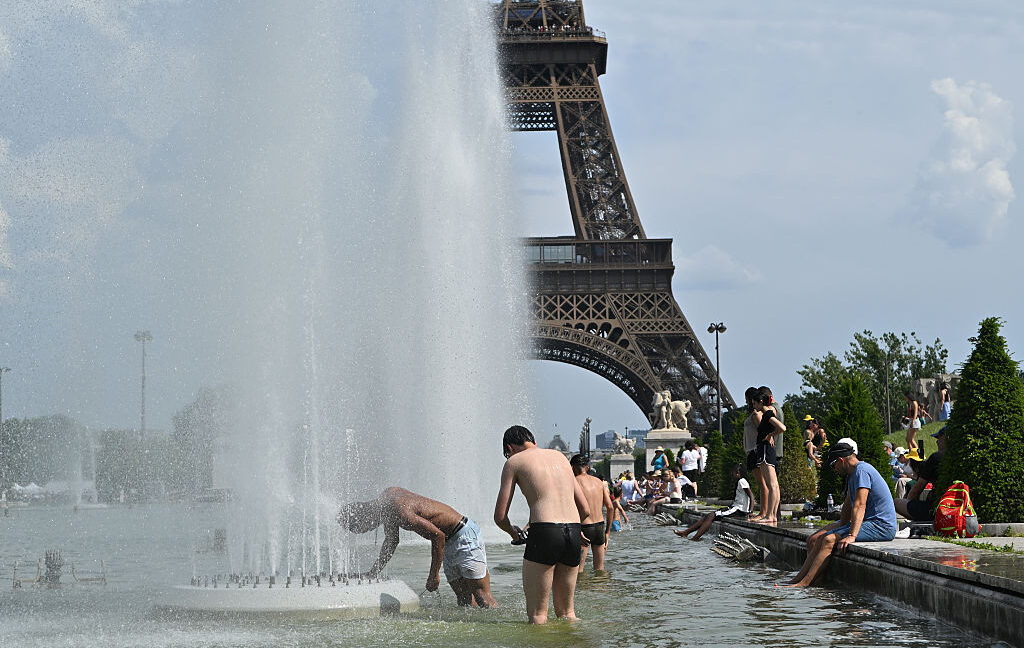
Image: courtesy of Ars Technica

techJune 26, 2026By Veridact EditorialUpdated Jun 26

Europe's Deepening Heat Crisis: Climate Change Drives Record Temperatures, Straining Unprepared Systems

Europe is grappling with a severe and deadly heatwave, with scientists confirming climate change as the primary driver behind the escalating temperatures. The continent, warming at twice the global average, faces critical infrastructure challenges as its housing, transport, and public services, largely designed for a cooler climate, struggle to cope. Record-breaking heat has led to fatalities and widespread disruption, highlighting a systemic vulnerability that appears set to worsen.

Outlook

From late May 2026, Europe has been experiencing a series of intense heatwaves, breaking numerous temperature records across the continent. Countries like Austria reported highs between 30°C (86°F) and 36°C (97°F) by mid-June, with Bad Deutsch-Altenburg recording 36.0°C (96.8°F) on June 20. The United Kingdom, among others, issued rare red warnings for extreme heat, signaling a severe public health risk.

The immediate outlook suggests continued strain on public services and infrastructure. French authorities placed half of the country's mainland administrative districts under the highest-level weather warning on June 22, implementing measures to mitigate public health dangers. The current weather pattern is attributed to an 'omega block,' a high-pressure system flanked by two low-pressure areas, which effectively traps hot air over the region. This atmospheric configuration is keeping temperatures elevated and stable, prolonging the crisis. As the continent moves deeper into summer, the expectation is for continued vigilance and reactive measures from governments, with little immediate relief in sight for many affected areas.

Background

The relentless heat sweeping across Europe is not an isolated meteorological event; it is a direct consequence of a rapidly changing global climate, scientists confirm. Friederike Otto, a climate science professor at Imperial College London, captured the sentiment bluntly, stating, 'There’s a sad inevitability to all of this, with scientists like me trotting out the same quotes year after year. Yes it’s climate change, yes it’s us, no it’s not El Niño.' This assertion dismisses transient natural phenomena like El Niño as the primary cause, firmly placing responsibility on human-induced climate change.

Europe, in particular, finds itself at a critical juncture. It is the world’s fastest-warming continent, with temperatures rising at approximately twice the global average rate. This accelerated warming is not fully understood, but factors like changes in atmospheric circulation, reduced Arctic sea ice, and altered land use patterns are all contributing to a regional susceptibility to extreme heat. The continent's infrastructure, from its medieval cities to its modern transport networks, was largely conceived and constructed for a temperate climate. This structural legacy creates a fundamental mismatch with the current reality of prolonged, intense heat, making adaptation a monumental, multi-generational challenge.

Precedents

Europe has a history of devastating heatwaves, with major events in 2003, 2018, and several in the early 2020s serving as stark reminders of its vulnerability. The 2003 heatwave, for instance, was linked to tens of thousands of deaths, primarily among the elderly, and exposed significant weaknesses in public health preparedness. Each subsequent major heat event has reinforced a recurring pattern: rising temperatures, strained healthcare systems, disrupted transport, and a reactive scramble by authorities to implement emergency measures.

What has changed, however, is the frequency and intensity. The current heatwave is the second major episode of extreme heat to hit Europe in just two months, indicating an acceleration of this historical trend. This suggests that what was once considered an anomalous, severe event is becoming a more regular occurrence. The continent's institutional responses, while improving, often remain tactical rather than strategic. They focus on immediate crisis management—opening cooling centers, issuing warnings, providing hydration—rather than fundamental, long-term changes to urban design, building codes, and energy infrastructure that could genuinely insulate populations from the heat. This reactive cycle has become a defining characteristic of Europe’s struggle with a warming climate.

The current heatwave is more than just an uncomfortable stretch of hot weather; it represents a deepening crisis with tangible human and economic costs, challenging the very fabric of European society.

For individuals, the stakes are immediate and deadly. A French government spokesperson confirmed seven deaths directly or indirectly linked to the heat, including at least five from drowning, as well as fatalities during sports events. Separately, French Prime Minister Sebastien Lecornu indicated that around 40 people had drowned since mid-June while seeking relief in canals and rivers. Beyond these tragic losses, extreme heat exacerbates existing health conditions, leading to increased hospital admissions for heatstroke, cardiovascular issues, and respiratory problems. Vulnerable populations, including the elderly, young children, and outdoor workers, face disproportionate risks.

Economically, the disruption is substantial. Public services, from healthcare to emergency response, operate under immense pressure. Transport networks, including railways and roads, are susceptible to buckling and overheating, causing delays and cancellations. Agricultural sectors face crop losses and livestock stress, threatening food security and farmers' livelihoods. Energy grids are strained by increased demand for air conditioning, raising the specter of blackouts.

The broader consequence is a forced re-evaluation of Europe's long-term resilience. Its cities, housing, and transport systems were designed for a different climate, and the cost of retrofitting them for sustained extreme heat is astronomical. This recurring crisis creates an open loop: how many more summers of record heat and preventable deaths will it take before the political will and capital allocation align to fundamentally reshape Europe's built environment and public health strategies? The answer will define not only the continent's climate legacy but also the quality of life for its citizens for generations to come.

Scenarios

Analysis

The ongoing heat crisis in Europe presents several clear trajectories, depending on the speed and scale of institutional response and the continued impact of global warming:

One likely outcome is a continued cycle of reactive crisis management, coupled with incremental, localized adaptations. Governments will likely refine emergency protocols, expand cooling center networks, and issue more targeted public health warnings. Cities may invest in more green spaces and 'cool roofs' on a project-by-project basis. However, without a coordinated, large-scale overhaul of national infrastructure and urban planning, these measures will likely serve as temporary fixes against a backdrop of escalating heat intensity and frequency. This suggests that while immediate fatalities might be reduced, the underlying systemic vulnerability will persist, leading to ongoing economic disruption and a persistent strain on public services each summer.

Alternatively, the mounting human and economic toll of these recurring heatwaves could force a more accelerated and fundamental shift in policy and investment. The 'sad inevitability' of these events may, at some point, translate into sustained political pressure for comprehensive climate adaptation strategies. This could include significant public and private investment in climate-resilient infrastructure, such as widespread retrofitting of buildings with passive cooling systems, redesigning urban areas to reduce heat islands, and upgrading energy grids to handle extreme demand. Such a shift would require a collective political will that has, to date, been intermittent, but the escalating crises could make the cost of inaction undeniably higher than the cost of action.

A third, more speculative outcome involves significant demographic and economic shifts within Europe. Prolonged periods of extreme heat could render certain regions less habitable or economically viable, leading to internal migration towards cooler areas or even a decline in tourism and agricultural output in historically popular regions. While not an immediate prospect, sustained and worsening heat over decades could fundamentally alter population distribution and economic geography across the continent, especially if adaptation efforts fail to keep pace with warming trends.

Timeline

2026-05-31
Start of Severe Heatwaves
Europe began experiencing severe heatwaves, breaking temperature records in multiple countries.
2026-06-18
Austria Issues Heatwave Warning
GeoSphere Austria announced that a heatwave was about to affect the country, with highs between 30°C (86°F) and 36°C (97°F) expected until the end of the month.
2026-06-20
Record Temperatures in Austria
Temperatures reached 35°C (95°F) at five GeoSphere Austria stations, and a temperature of 36.0°C (96.8°F) was recorded in Bad Deutsch-Altenburg, marking a significant heat milestone.
2026-06-21
Fatalities and Public Events in France
A 53-year-old man died during a running event in Paris. The annual Fête de la Musique (World Music Day) was still held, despite the extreme heat.
2026-06-22
Highest-Level Warning in France
Half of France's mainland administrative districts (49 of 96) were placed under the highest-level weather warning by Météo-France, with authorities announcing measures to reduce public health dangers.

Frequently Asked Questions

Europe is the world’s fastest-warming continent, with temperatures rising at about twice the global average rate. This accelerated warming is driven by a combination of global climate change and regional factors, including changes in atmospheric circulation patterns, a reduction in Arctic sea ice, and altered land use.

Discussion

0/100
0/1000

Be the first to share your thoughts.

Related Coverage

tech

Patronus AI Secures $50 Million to Build 'Digital Worlds' for Stress-Testing AI Agents

Jun 26
tech

White House Curbs OpenAI's GPT 5.6 Rollout Amid Rising AI Security Fears

Jun 26
tech

Xbox Consoles See Major Price Hikes Amid Soaring Component Costs

Jun 26
tech

Instagram’s Big Screen Play: How Meta Plans to Capture More of Your Attention and What It Means for Ads

Jun 26

Stay ahead of the story

AI analysis delivered before events unfold. No spam.

ⓘ

Methodology: Veridact combines public data, historical precedent, and analytical models to evaluate the likelihood of future outcomes.