
The immediate focus for researchers will be to transition this lab-based success into a living biological system. This will involve careful experimentation, likely starting with simpler organisms like bacteria, to see if the orthogonal genetic machinery can function without disrupting the cell's natural processes. Expect an intense period of iterative design and testing, as scientists attempt to integrate these two non-interfering protein synthesis pathways into a cellular environment. The primary hurdle will be ensuring cellular viability and preventing the engineered systems from causing fatal errors in the cell's native protein production. Initial attempts could involve modifying existing cellular machinery to accept the new genetic instructions or introducing entirely new, self-contained synthetic systems.
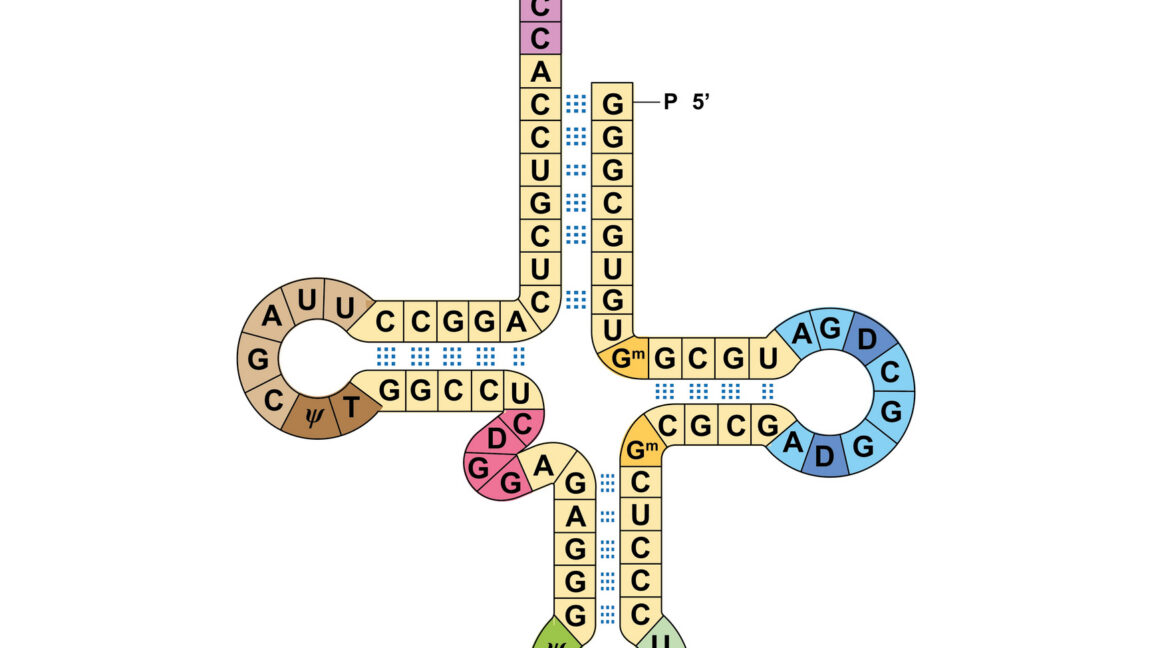
Image: courtesy of Ars Technica
Beyond the Lab: What Running Two Genetic Codes Simultaneously Means for the Future of Biology
Researchers have successfully engineered two distinct genetic codes to operate in parallel, a significant achievement previously thought impossible. The breakthrough, confirmed on August 26, 2026, involved creating separate populations of transfer RNAs (tRNAs) and ribosomes that could each interpret a different set of genetic instructions without interfering with one another. This was achieved in isolated lab mixtures, not yet in living cells. The development offers a powerful new tool for synthetic biology, potentially allowing for the creation of proteins with novel functions and opening doors for new materials and therapeutics. However, the critical next step involves demonstrating this dual-code system within the complex environment of an actual cell, a challenge that carries a significant risk of cell malfunction or death.
Outlook
Background
At its core, the standard genetic code is a universal instruction set for life, where sequences of three DNA or RNA bases (codons) specify which of the 20 standard amino acids should be linked together to form a protein. Ribosomes act as the protein-making machinery, reading messenger RNA (mRNA) and recruiting transfer RNA (tRNA) molecules, which carry the specific amino acids matching each codon. This system is incredibly precise and efficient, honed over billions of years of evolution.
The recent breakthrough involves creating a second, entirely separate genetic coding system that can operate alongside the natural one without confusion. The researchers engineered specific tRNAs that recognize alternative codons and correspond to different amino acids. Crucially, they also engineered ribosomes that would only interact with these new tRNAs and only read the alternative codons. This 'orthogonal' design means the two systems can run in parallel, each producing its own set of proteins, without misinterpreting the other's instructions.
Previous work has expanded the genetic code to include non-standard amino acids, like pyrrolysine, by repurposing existing codons or adding new ones. Other discoveries, such as 'duons' (DNA sequences that code for both protein and gene regulation), have revealed hidden layers of information within the standard code. However, these efforts typically involve modifying or expanding the single existing code. The current achievement is distinct because it introduces a completely separate, non-interfering code operating simultaneously. The challenge now is moving this controlled, isolated system into the highly dynamic and interconnected environment of a living cell, where unintended interactions could have severe consequences, including cell death.
Precedents
The history of synthetic biology is marked by a series of incremental achievements, often beginning with isolated demonstrations in laboratory settings before progressing to cellular or organismal applications. Early genetic engineering focused on inserting single genes into bacteria. Over decades, this evolved into more complex efforts like synthesizing entire bacterial genomes, as seen with Mycoplasma laboratorium in 2010. The development of CRISPR gene editing also followed this pattern: first, a fundamental understanding of bacterial immune systems, then targeted gene editing in test tubes, and eventually, precise modifications within living cells and organisms.
Each step from a controlled, cell-free system to a functional living cell involves overcoming immense biological complexity. The transition demands not just proof of concept but also engineering robustness, minimizing off-target effects, and ensuring the stability and viability of the engineered cell. This iterative process, moving from basic scientific discovery to practical application, is a consistent pattern across fields like biotechnology and genetic medicine.
The ability to run two genetic codes at once fundamentally changes the toolkit available to synthetic biologists. Imagine a cell that can produce not just the standard 20 amino acids, but an entirely different set of building blocks for proteins, all at the same time and without cross-talk. This opens up several significant avenues:
* Novel Protein Functions: Scientists could design proteins with entirely new chemical properties, far beyond what natural evolution has produced. This could lead to enzymes with enhanced catalytic abilities, or structural proteins with unprecedented strength, flexibility, or conductivity.
* Advanced Materials: These new proteins could serve as building blocks for 'designer' biomaterials, self-assembling into complex structures for applications in nanotechnology, medicine, or industrial manufacturing.
* Drug Discovery and Development: The ability to synthesize a wider range of protein variants could accelerate the discovery of new therapeutic compounds, including more potent antibodies or highly specific drug delivery systems. It could also enable cells to produce drugs that are currently difficult or impossible to synthesize biologically.
* Enhanced Diagnostics: Cells engineered with dual codes could potentially serve as more sophisticated biosensors, capable of detecting multiple biomarkers simultaneously or responding to stimuli in complex, programmable ways.
In essence, this breakthrough moves us closer to a future where biological systems can be programmed with a richer, more versatile language, expanding the very definition of what life can create.
Scenarios
AnalysisThe path forward for this technology presents a spectrum of possibilities, each with its own set of challenges and implications.
Outcome 1: Successful Integration and Application in Cells
If researchers can successfully implement this dual genetic code system within living cells, even simple ones, it would represent a monumental leap. This would likely involve years of refinement, but it would validate the concept as a viable strategy for expanding cellular function. Over time, this could lead to the development of 'orthogonal cells' capable of performing highly specialized tasks, such as producing complex pharmaceuticals, manufacturing advanced materials, or acting as living diagnostic tools within the body. The economic impact could be substantial, creating new industries around bio-manufacturing and precision medicine. This outcome would require overcoming significant hurdles related to cellular toxicity, energy demands, and maintaining the stability of two parallel translation systems.
Outcome 2: Limited to Cell-Free Systems or Encountering Insurmountable Hurdles
It is also possible that the complexities of a living cell prove too great for the stable, non-interfering operation of two genetic codes. The engineered ribosomes and tRNAs might prove toxic to cells, or the cellular environment might cause cross-talk between the two systems, leading to widespread protein malfunction and cell death. In this scenario, the technology's utility could be confined to cell-free systems, where protein synthesis occurs in a test tube without a living cell. While still valuable for specific applications like in vitro drug screening or the production of difficult-to-make proteins, its broader impact on synthetic biology and living systems would be significantly curtailed. This outcome would necessitate a re-evaluation of the approach, potentially shifting focus to less disruptive ways of expanding the genetic code.
Timeline
Frequently Asked Questions
Discussion
Be the first to share your thoughts.