
The shutdown of Aliens: Fireteam Elite on the Nintendo Switch is more than just a single game going offline; it highlights a growing tension between consumer expectations of permanent access and the operational realities of digital content. Players who invested in the game's $29.99 standard edition or the $59.99 Ultimate Edition are now left with nothing but a promise of a discount on a future Nintendo Switch 2 version, which itself will not be cloud-based. This incident is likely to intensify discussions around digital rights, the need for clearer consumer protections in the gaming sector, and the long-term viability of cloud-only game releases.
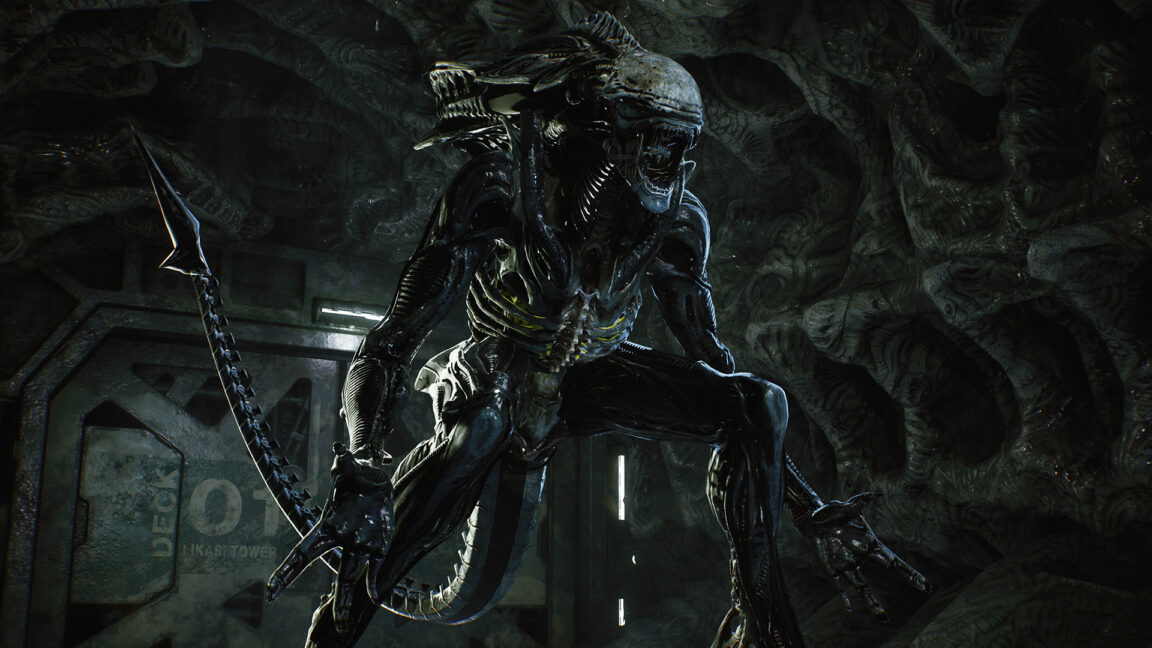
Image: courtesy of Ars Technica
When Your $60 Digital Game Vanishes: The *Aliens: Fireteam Elite* Shutdown Exposes Cloud Gaming's Fragility
Cold Iron Studios has ended service for the Nintendo Switch cloud version of its game, *Aliens: Fireteam Elite*, leaving players who paid up to $60 for the title without access and no refunds. The game, which launched in April 2023, was entirely streamed from servers, making it unplayable once the developer pulled the plug on August 5, 2026. This move has reignited concerns over digital ownership and the impermanence of cloud-based entertainment.
Outlook
Background
On August 5, 2026, Cold Iron Studios officially shut down the cloud version of Aliens: Fireteam Elite on the Nintendo Switch. This action rendered the game completely unplayable for anyone who had purchased it, regardless of how much they paid. The game, a cooperative third-person shooter, initially launched on the platform on April 26, 2023. Unlike its counterparts on other consoles, the Switch version was exclusively cloud-streamed, meaning it relied entirely on a constant internet connection and active servers to function. Without these servers, the game simply cannot run.
The decision to cease operations for the game followed an announcement in March 2026, giving players several months' notice. However, this notice did not come with an offer of refunds, a point of significant contention among the affected player base. Many players purchased the full game for $29.99, with an Ultimate Edition including downloadable content (DLC) available for $59.99. For these consumers, their investment evaporated when the servers went dark.
As a form of compensation, Cold Iron Studios is reportedly offering a discount for a planned sequel, which is expected to launch on the upcoming Nintendo Switch 2 console. Crucially, this future title will not be a cloud version, suggesting a strategic shift away from that delivery model, at least for the Switch platform. This move, while offering a future incentive, does not address the immediate loss of access to a product players had already paid for, raising questions about the value proposition of cloud-dependent games.
Precedents
The disappearance of Aliens: Fireteam Elite from the Nintendo Switch eShop and its subsequent unplayability is not an isolated event in the digital gaming world. The industry has a history of digital content becoming inaccessible, a trend that intensifies with the rise of cloud-streamed and 'games-as-a-service' models. In recent years, several high-profile titles and collections have faced similar fates.
One notable parallel is Square Enix's cloud-based Kingdom Hearts collection, which also saw its accessibility tied to server availability on the Nintendo Switch. While that collection is still active, its existence highlights the inherent fragility of streaming-only titles; their lifespan is entirely at the discretion of the publisher and the operational costs of maintaining servers. When player counts drop, or a developer decides to reallocate resources, cloud games are often the first to be discontinued, as the ongoing server costs outweigh the dwindling revenue.
Beyond cloud gaming, the broader issue of digital content disappearing has long been a concern. Games are routinely delisted from digital storefronts like Steam, PlayStation Store, and Xbox Marketplace due to expired licenses, developer closures, or corporate restructuring. While delisted games can often still be played by those who previously downloaded them, this is not the case for cloud-streamed titles, which require continuous server interaction. The difference between owning a digital license that allows local play and merely renting access to a server-dependent product is becoming increasingly clear, often to the detriment of consumers.
This pattern extends beyond gaming to other digital media, from movies disappearing from streaming libraries to e-books being remotely removed from devices. The underlying issue is the shift from traditional ownership of a physical good to a license to access digital content. This licensing agreement typically grants the provider the right to modify, update, or even terminate access to the content. Historically, consumers have often overlooked these terms and conditions, assuming that a purchase equates to permanent ownership. Incidents like the Aliens: Fireteam Elite shutdown serve as sharp reminders of the contractual limitations inherent in many digital transactions.
The shutdown of Aliens: Fireteam Elite on the Nintendo Switch carries significant implications for consumer rights, the evolving business models of the gaming industry, and the future of digital content consumption. For players, the immediate consequence is a financial loss and a loss of access to a product they believed they owned. This erosion of consumer trust could have long-term effects, making players more wary of investing in digital-only, and especially cloud-only, titles.
From an industry perspective, this event highlights the precarious balance developers and publishers must strike. Maintaining servers for cloud games is expensive, particularly if the player base dwindles. When the cost of operation outweighs the revenue generated, discontinuing service becomes a logical business decision. However, this logic often clashes directly with consumer expectations and perceived value, creating a public relations challenge and potentially attracting regulatory scrutiny.
More broadly, the incident contributes to a growing debate about digital asset ownership. In an increasingly digital world, where physical media is becoming less common, the question of what 'owning' a game truly means is paramount. If a purchase only grants a temporary license to access, rather than a permanent right to use, then the legal and ethical frameworks around digital sales need re-evaluation. This could push for clearer disclosure requirements for cloud-based games, mandatory refund policies for service terminations, or even new legal precedents defining digital property rights.
The fact that a discount for a Switch 2 version, explicitly not cloud-based, is being offered suggests that Cold Iron Studios and potentially Nintendo are acknowledging the issues with the cloud model for this specific franchise or platform. This could indicate a broader industry shift away from cloud-only releases on certain consoles, or at least a more cautious approach to their implementation, driven by both technical limitations and consumer backlash.
Scenarios
AnalysisThe shutdown of Aliens: Fireteam Elite could lead to several distinct outcomes across the gaming industry and consumer landscape:
1. Increased Scrutiny and Demand for Clearer Policies: This incident, combined with previous similar events, could prompt greater public demand for clearer terms of service regarding digital game longevity. Consumers may begin to actively seek out information on server commitment and potential end-of-life policies before purchasing cloud-based or online-only titles. This pressure could also encourage consumer advocacy groups to push for stronger legal protections or industry-wide standards that mandate refunds or alternative compensation when digital access is permanently revoked. Regulators, particularly in regions with strong consumer protection laws, may take notice and explore requirements for explicit 'sunset clauses' or minimum service guarantees for games sold digitally.
2. A Shift in Developer Strategy for Cloud Gaming: Developers and publishers may become more cautious about launching cloud-only versions of games, especially on platforms like the Nintendo Switch where local installations are also common. The negative public reaction and brand damage from incidents like this could outweigh the cost savings of server maintenance. Instead, they might prioritize hybrid models (where cloud streaming is an option but not mandatory) or focus cloud offerings primarily on dedicated streaming platforms where the expectation of service continuity is different. The decision by Cold Iron Studios to make the Switch 2 sequel a non-cloud version strongly suggests this internal re-evaluation is already underway for them.
3. Renewed Interest in Physical Media or Offline Play: For a segment of the gaming community, this event may reinforce the appeal of physical game copies or digital games that can be downloaded and played offline indefinitely. The certainty of having a physical cartridge or a locally stored digital file, immune to server shutdowns, offers a sense of permanence that purely cloud-based games cannot. This could lead to a niche but vocal resurgence in demand for physical editions, particularly for popular titles, as players seek to 'future-proof' their game libraries against unexpected server closures.
Timeline
2023-04-26
*Aliens: Fireteam Elite* Cloud Version Launches on Nintendo Switch
Cold Iron Studios releases the cloud-streamed version of *Aliens: Fireteam Elite* for the Nintendo Switch console. The game is available for $29.99, with an Ultimate Edition priced at $59.99.
2026-03
Shutdown Announcement
Cold Iron Studios announces its intention to shut down the cloud servers for *Aliens: Fireteam Elite* on Nintendo Switch, effective August 5, 2026. No refunds are offered at this time, but a discount for a future Switch 2 version is mentioned.
2026-08-05
Game Service Terminates
The cloud version of *Aliens: Fireteam Elite* on Nintendo Switch officially goes offline. All players who purchased the game lose access, rendering it unplayable.
2026-08-11
News Reports Confirm Shutdown and Lack of Refunds
Multiple gaming news outlets report on the shutdown, highlighting the lack of refunds for players and sparking renewed debate over digital ownership and cloud gaming's sustainability.
Frequently Asked Questions
A 'cloud version' means the game is not actually running on your console or device. Instead, it's running on powerful servers elsewhere, and the video feed of the game is streamed to your device over the internet. Your device sends your controller commands back to the server. This requires a strong, stable internet connection and active servers. If the servers shut down, the game becomes unplayable, even if you 'bought' it.
Discussion
Be the first to share your thoughts.