
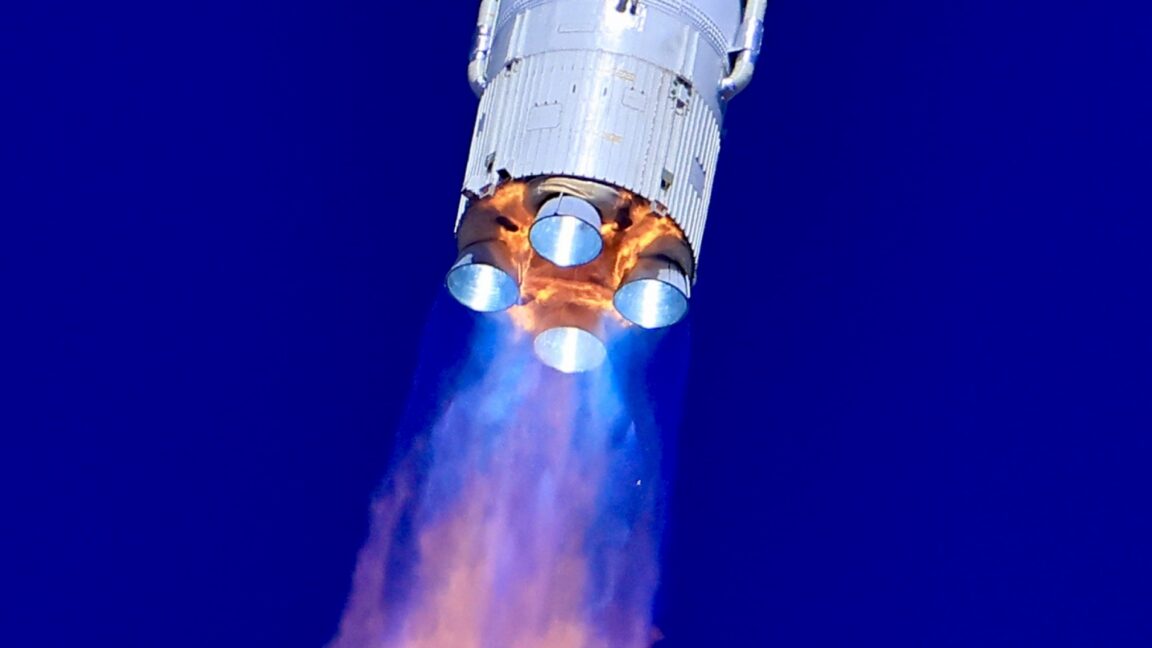
The immediate aftermath of the June 15, 2026 breakup will focus on tracking and cataloging. Space tracking agencies, including the US Space Force's 18th Space Defense Squadron, are working to identify individual pieces of debris. Early radar signatures indicate the breakup produced hundreds of trackable fragments, along with thousands of smaller, untrackable pieces. Over the coming weeks, this debris cloud will disperse, forming an orbital ring of shrapnel that crosses the paths of thousands of active satellites.
SpaceX's automated collision avoidance systems will likely face an immediate surge in alerts. Starlink satellites use autonomous ion thrusters to dodge debris, but each maneuver consumes valuable propellant, potentially shortening the operational lifespan of the affected satellites. If the debris cloud spreads as expected, SpaceX may have to adjust the orbits of entire orbital shells to minimize risk, a move that could temporarily degrade network performance in certain regions.
Diplomatically, expect a sharp exchange of words between Washington and Beijing. The US State Department is likely to issue a formal protest, accusing China of irresponsible space behavior and failing to passivate its rocket upper stages. Beijing will probably downplay the incident, asserting that its space program adheres to international guidelines while pointing out that Western commercial constellations occupy a disproportionate share of low Earth orbit.