
Deliveries of the 2027 Chevrolet Corvette Grand Sport X are scheduled to commence before the close of the 2026 calendar year, meaning the first units will soon reach customer hands. Buyers can expect a vehicle designed to blend raw V8 power with sophisticated electronic control, aiming for a more refined and adaptable driving experience than previous generations. This combination suggests a strategic move by Chevrolet to appeal to a broader segment of performance car enthusiasts, including those who prioritize daily drivability alongside track capability. As the first units reach customers, initial reviews will likely focus heavily on how the hybrid powertrain and its integrated software translate into real-world performance, particularly the balance between electric assist and the new LS6 V8.
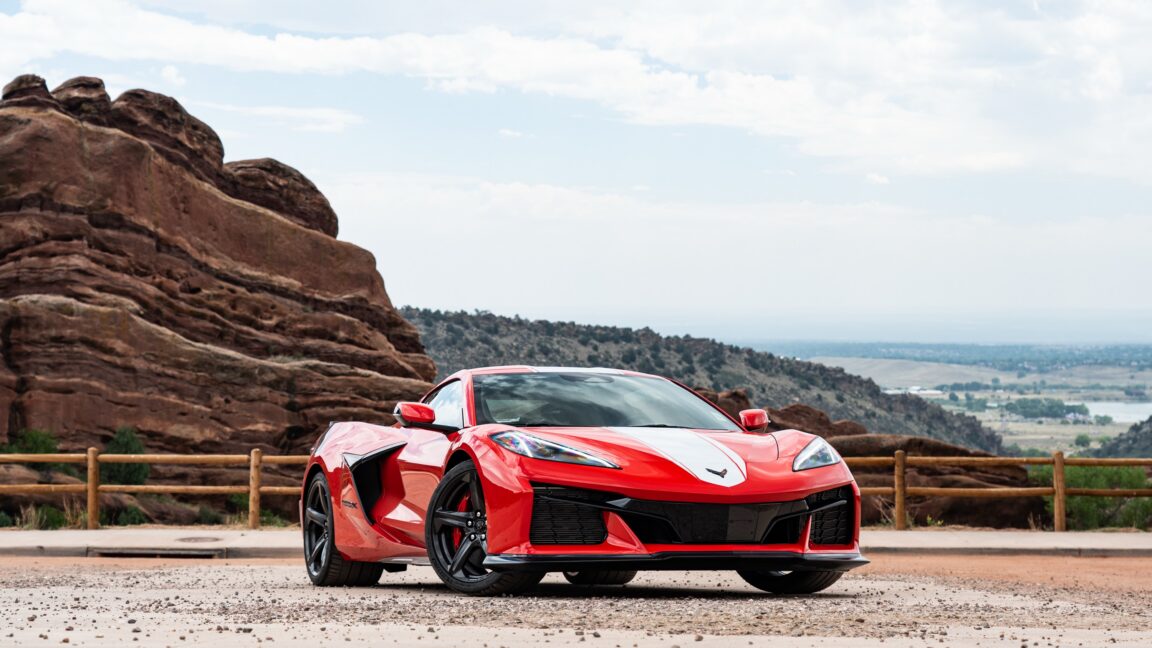
Image: courtesy of Ars Technica
The 2027 Corvette Grand Sport X: Where Software Is Performance, Not Just an Add-On
The 2027 Chevrolet Corvette Grand Sport X, confirmed for production and now available for order, represents a significant evolution for the iconic American sports car. It features a hybrid all-wheel-drive system, pairing a new 6.7-liter LS6 V8 engine with an electric motor to deliver a combined 721 horsepower. Chevrolet has positioned the Grand Sport X as a direct replacement for the E-Ray, making a bold statement that its advanced software systems are as crucial to its performance and driving experience as its powerful hardware. Production is slated to begin later in 2026, with initial deliveries expected before the end of the calendar year.
Outlook
Background
The 2027 Chevrolet Corvette Grand Sport X arrives with a hybrid all-wheel-drive system, marking a significant technological leap for the iconic sports car. Under the hood, it features a new 6.7-liter LS6 V8 engine, boasting a higher 13.0:1 compression ratio and a larger throttle body, along with a tunnel-ram intake manifold, all designed for improved responsiveness and efficient air intake. This engine, paired with an electric motor, produces a combined output of 721 horsepower. The Grand Sport X is offered exclusively with its own Z52 Sport Performance Package, which includes specific high-performance tires — 275/30ZR20 for the front and 345/25ZR21 for the rear. While most other 2027 Corvette models, including the Stingray, Grand Sport, Z06, ZR1, and ZR1X, are already rolling off assembly lines, the Grand Sport X is set to begin production later in 2026. Chevrolet has openly stated that for this model, 'code is as important as hardware,' signaling a fundamental shift in its performance philosophy.
Precedents
The Corvette has a long-standing history of combining powerful American V8 engines with evolving chassis and aerodynamic technologies. For decades, the car's appeal was largely rooted in its mechanical prowess and the visceral experience of raw power. However, over time, electronics gradually became more integrated, initially for engine management and basic stability control, and later for increasingly complex infotainment and driver-assist systems. The C8 generation, introduced with its mid-engine layout, already represented a major departure, prioritizing balance and handling in a way previous front-engine Corvettes could not. The E-Ray, which the Grand Sport X effectively replaces, further pushed this boundary by introducing hybrid technology to the Corvette line, laying the groundwork for electrified performance. This progression indicates a clear trend: as mechanical limits are pushed and environmental regulations tighten, software becomes an increasingly critical lever for extracting more performance, enhancing safety, and improving the overall driving experience. The Grand Sport X’s explicit emphasis on software suggests the brand is moving beyond merely adding electronics, instead viewing software as a core component of performance delivery, mirroring a broader automotive industry trend towards software-defined vehicles.
The 2027 Corvette Grand Sport X represents a crucial test for Chevrolet and, by extension, the broader performance car market. For decades, the appeal of American sports cars like the Corvette has been deeply rooted in raw, unadulterated power delivered by large internal combustion engines. Introducing a hybrid system and explicitly crediting software with equal importance to hardware challenges that traditional narrative. If the Grand Sport X succeeds in demonstrating superior performance, enhanced drivability, and a compelling user experience because of its sophisticated software integration, it could significantly accelerate the industry's shift towards software-defined performance vehicles. This would mean a fundamental re-evaluation of what constitutes a 'halo car' and how performance is measured and delivered in the modern era. This development might also influence how other legacy automakers approach their high-performance divisions, potentially pushing them to invest more heavily in software engineering alongside traditional mechanical development. It could also redefine consumer expectations, with buyers increasingly looking for advanced electronic aids and highly customizable driving modes as much as they seek peak horsepower figures. The long-term implications for the enthusiast market, in particular, are substantial, as it forces a conversation about the future of driver engagement in an increasingly digitized automotive world.
Scenarios
AnalysisThe introduction of the 2027 Chevrolet Corvette Grand Sport X, with its dual emphasis on advanced hardware and critical software, presents several potential paths forward for both Chevrolet and the high-performance vehicle segment:
Outcome 1: Software Integration Validates Hybrid Performance and Redefines Driver Engagement
If the Grand Sport X delivers on its promise of blending raw V8 power with seamless electric assist and intelligent all-wheel drive, it could solidify the hybrid performance car segment, particularly within a traditionally gasoline-focused market. Chevrolet's explicit emphasis on software suggests they believe it can not only optimize the complex interactions between the gasoline engine, electric motor, and AWD system but also actively enhance the driver's connection to the vehicle. This success could lead to future Corvette iterations and other GM performance vehicles adopting even more advanced software-centric architectures, potentially integrating AI for predictive handling, highly personalized driver profiles, or dynamic performance adjustments based on real-time conditions. This might also encourage a younger demographic, already accustomed to sophisticated technology, to view the Corvette as a modern, relevant performance machine that offers both thrill and intelligence.
Outcome 2: Market Skepticism Persists, Highlighting Execution Risk and Niche Appeal
Despite Chevrolet's claims, a segment of traditional Corvette enthusiasts might remain skeptical of hybrid technology and heavy software reliance, preferring a more 'analog' driving experience that prioritizes mechanical purity over digital refinement. The success of the Grand Sport X hinges not just on the software's capabilities, but on its perceived authenticity and how it genuinely enhances, rather than detracts from, driver engagement. If the software implementation feels intrusive, overly complex, or fails to deliver a truly engaging experience that justifies the added complexity, it could alienate some core buyers. This might force Chevrolet to recalibrate its messaging or future designs, possibly leading to a split strategy where purist, non-hybrid models coexist with highly advanced, software-driven variants. The execution risk for integrating such complex systems seamlessly is high, and any perceived flaws in the software's ability to live up to its 'as important as hardware' billing could be magnified by a discerning and vocal customer base.
Timeline
Frequently Asked Questions
Discussion
Be the first to share your thoughts.