
The next few months are likely to be marked by intense and potentially acrimonious negotiations between MLB owners and the Players’ Association. The league’s proposal represents a significant departure from the current economic system, which relies on a luxury tax rather than a hard cap, and player resistance to such a fundamental change is expected to be fierce. Analysts suggest that this initial offer is a strategic opening salvo, signaling the owners’ priorities as the current CBA approaches its December 1, 2026, expiration. The players, historically protective of free agency and uncapped earning potential, are unlikely to accept the hard cap and contract limits without major concessions elsewhere. This sets the stage for a prolonged bargaining process, potentially extending close to the deadline, with the threat of a lockout looming if an agreement is not reached.
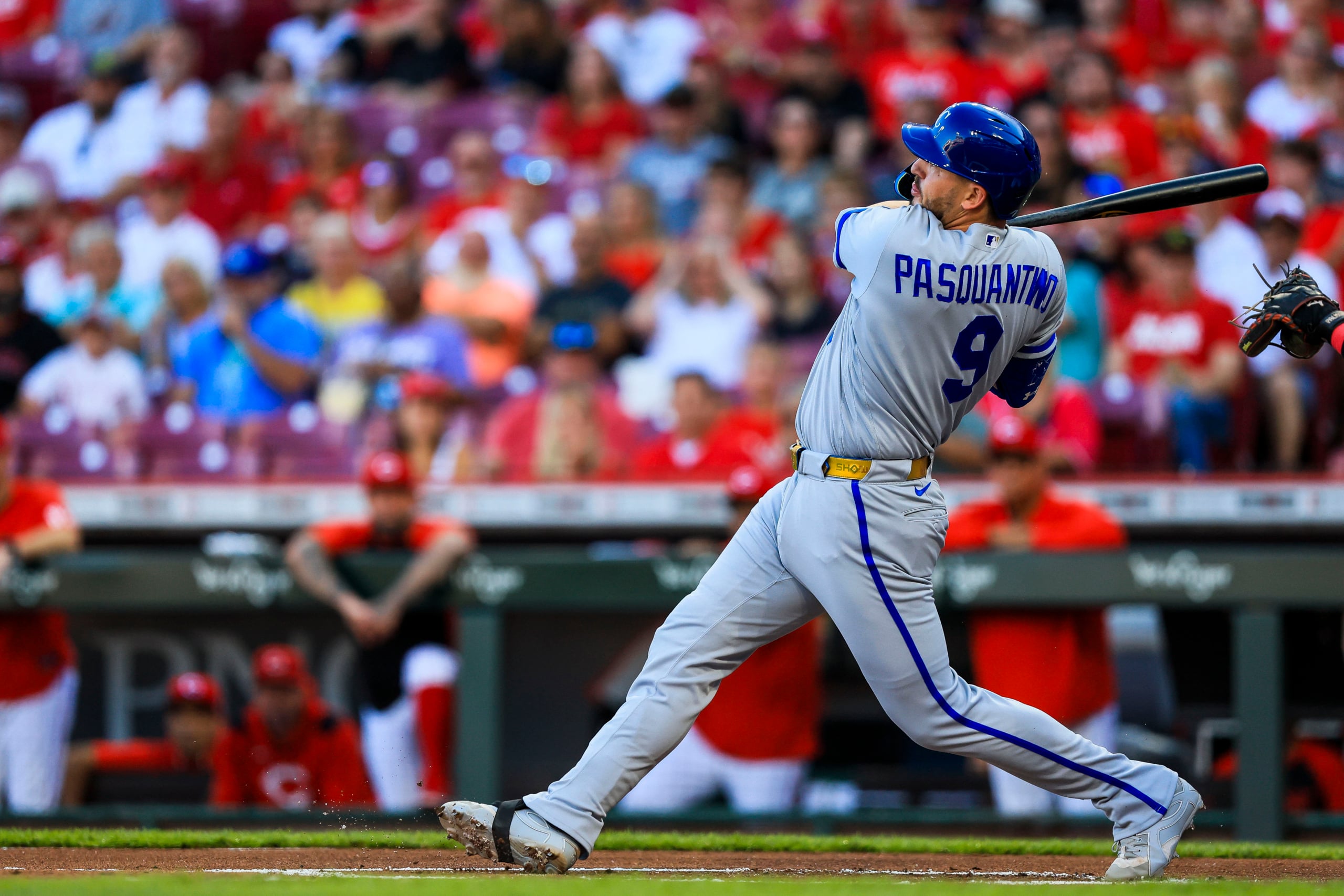
Image: courtesy of Sportsnaut
MLB Proposes Hard Salary Cap, Max Contracts in New CBA Offer, Setting Up Major Clash With Players
Major League Baseball has formally tabled a new Collective Bargaining Agreement (CBA) proposal that includes a hard salary cap of $245.3 million for the 2027 season, a salary floor of $171.2 million, and strict limits on contract lengths for players. The proposal, delivered on June 26, 2026, also calls for a 50/50 revenue split between owners and players and raises the minimum player salary to $1 million. This marks the league’s most aggressive attempt in decades to fundamentally reshape its economic structure, and it has already met with strong opposition from the Players’ Association.
Outlook
Background
MLB’s current economic system operates without a hard salary cap, instead employing a competitive balance tax, often called the luxury tax. Teams exceeding certain payroll thresholds pay a penalty, which increases with repeat offenses. This system has allowed high-spending teams in large markets to assemble expensive rosters, while some smaller market teams have consistently kept payrolls low, leading to significant competitive imbalances. The league’s new proposal aims to address this disparity directly by introducing a hard cap, similar to those found in the NFL and NHL.
The proposed cap of $245.3 million for the 2027 season, coupled with a $171.2 million floor, would force both high-spending and low-spending teams into a much narrower payroll range. The proposal also includes specific limitations on player contracts: a maximum of five years for free agents signing with new teams, and a maximum of six years for players who remain with their original club under a new 'Cornerstone Player' provision. These limits would drastically alter the free-agent market, making long-term, high-value deals like the 15-year, $765 million contract signed by Juan Soto effectively impossible. The owners' push for a 50/50 revenue split further indicates a desire to reallocate the financial pie, aiming for a more predictable and potentially more profitable operational model for franchises.
Precedents
Baseball has a long and often contentious history of labor relations between owners and players. The sport has endured nine work stoppages since 1972, including five strikes and four lockouts. The most impactful was the 1994-1995 strike, which led to the cancellation of the World Series and severely damaged the sport’s popularity for a period. A key battleground in many of these disputes has been the economic structure, particularly the owners' desire for cost controls and the players' fight for free-market principles and uncapped earning potential.
Players have historically and vehemently resisted any form of hard salary cap. The current luxury tax system was a compromise reached after years of struggle, designed to penalize excessive spending without outright prohibiting it. The Players' Association views a hard cap as a direct attack on player salaries and free agency, limiting their earning potential and mobility. Past negotiations have shown that players are willing to endure work stoppages to protect these core principles. The current proposal, which attempts to introduce a hard cap after decades without one, directly confronts this deep-seated player opposition. This historical context suggests that the league's initial proposal is unlikely to be accepted without significant modifications, if at all, and that players will likely stand firm against the hard cap.
This proposal isn't just about tweaking rules; it’s about fundamentally redefining how money flows through Major League Baseball, with profound implications for every stakeholder. For players, a hard salary cap and contract limits could dramatically suppress salaries, particularly for top-tier free agents, and restrict their ability to secure long-term financial security. The Players’ Association views this as a direct attack on the economic gains won through decades of collective bargaining and past work stoppages. This could lead to a significant decrease in average player earnings over time, especially for star players who currently command massive, long-term deals.
For team owners, the proposal offers the promise of greater financial predictability and potentially improved profitability, especially for smaller market teams that struggle to compete with the payrolls of larger clubs. A salary floor would also compel lower-spending teams to invest more in their rosters, theoretically fostering greater competitive balance across the league. However, it also means that high-spending teams would no longer be able to simply outspend their rivals, forcing a shift in strategy towards drafting, player development, and more efficient resource allocation.
For fans, the outcome of these negotiations could determine the very nature of the sport for years to come. A protracted labor dispute, potentially leading to a lockout, would disrupt seasons and alienate a fanbase that has already endured multiple stoppages. If a hard cap is implemented, it could lead to more parity, with more teams having a realistic chance at competing, or it could simply shift the competitive advantage from financial muscle to scouting and player development efficiency. The quality of play, the excitement of the free-agent market, and the overall fan experience are all on the line as these high-stakes negotiations unfold.
Scenarios
AnalysisThe current negotiations could lead to several distinct outcomes, each with significant repercussions for Major League Baseball's future:
1. A Negotiated Compromise (No Hard Cap, Stronger Luxury Tax): This is arguably the most probable outcome. Given the Players' Association's historical and immediate opposition to a hard cap, it is highly unlikely they will accept it in its current form. Instead, both sides may eventually agree on a revised competitive balance tax system that features lower thresholds, higher penalties, or more punitive repeater taxes. This would achieve some of the owners' goals for cost control and competitive balance without imposing an outright hard limit on spending, preserving a semblance of the current free-market system. The league might also gain concessions on draft reform, revenue sharing, or other ancillary issues in exchange for backing off the hard cap.
2. A Lockout and Protracted Stoppage: If neither side is willing to budge significantly from their core positions, particularly on the hard cap, the current CBA's expiration on December 1, 2026, could trigger a lockout. Owners have historically used lockouts as a tool to pressure players into accepting their terms. A lockout would halt all league operations, including free agency and spring training, potentially delaying or even shortening the 2027 season. This scenario carries significant financial risk for both players (loss of salary) and owners (loss of revenue), as well as the risk of alienating fans and damaging the sport's public image. The length and severity of a lockout would depend on the resolve of both sides and external pressures, such as public opinion or government intervention.
3. Players Accept a Modified Cap (With Major Concessions): While less likely, a scenario exists where the Players' Association, after intense negotiation and possibly a brief work stoppage, agrees to some form of a salary cap. This would almost certainly come with significant concessions from the owners, such as a larger share of overall revenue, increased minimum salaries beyond the proposed $1 million, expanded player benefits, or other changes that benefit a broader segment of the player base. The cap might also be structured differently, perhaps with more flexibility or higher limits than initially proposed, or phased in over several years to soften the impact. This would represent a historic shift for MLB, moving it closer to the economic models of other major North American sports leagues.
Timeline
Frequently Asked Questions
Discussion
Be the first to share your thoughts.