
Expect a period of intense negotiation and strategic maneuvering across the NBA. LeBron James's decision will likely be swift, given his stated desire to join a competitive team for the upcoming 2026-27 season. The immediate aftermath will focus on which teams can present the most compelling case, balancing roster strength, coaching stability, and the unique demands of integrating a player of his age and stature. His choice will trigger significant roster adjustments for his new team and leave a substantial void for the Lakers, impacting their immediate competitive outlook and long-term planning. The league's free agency market could see other dominoes fall quickly once James makes his commitment.
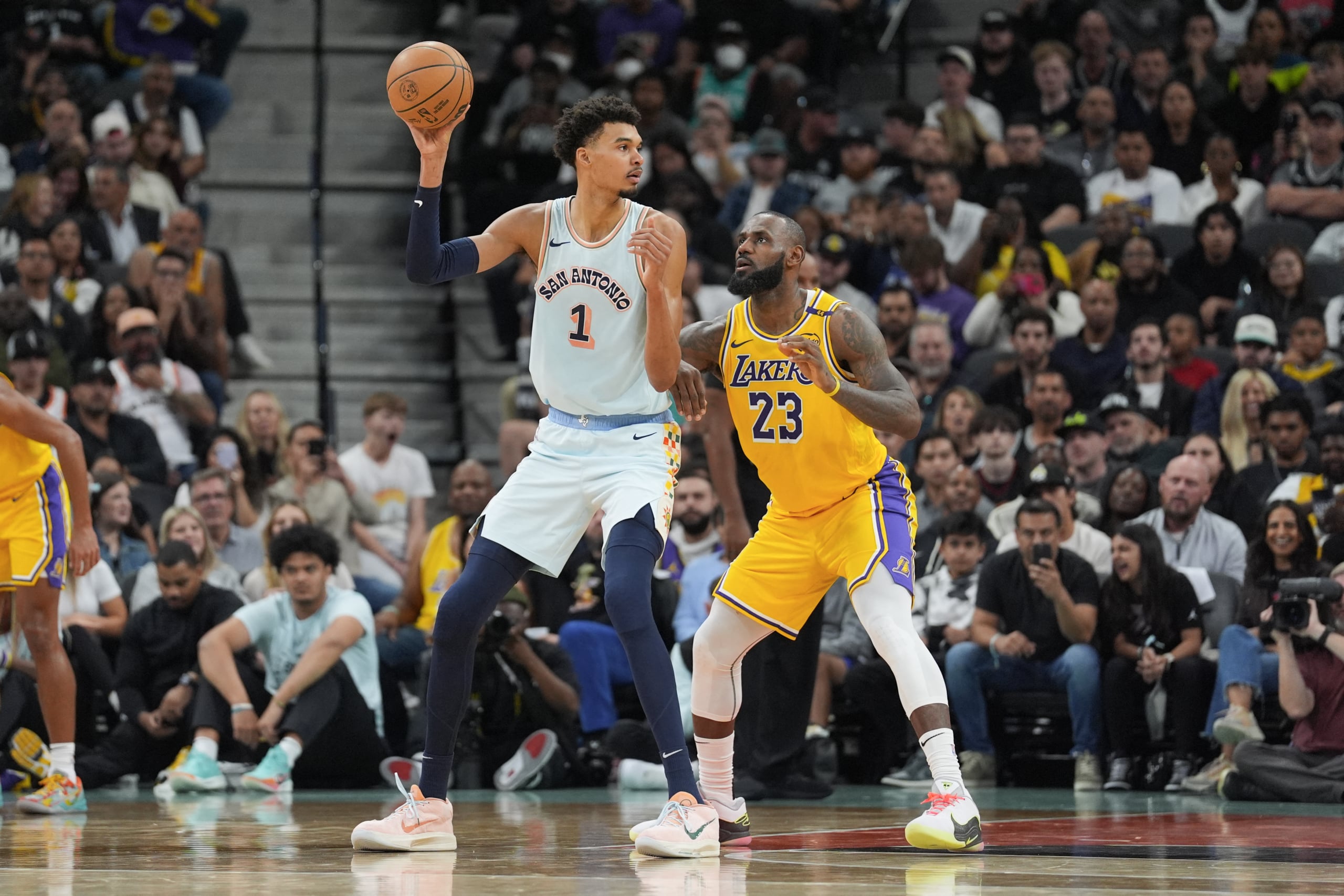
Image: courtesy of Sportsnaut
LeBron James Departs Lakers: The Strategic Calculus Behind His Next Move at 41
After six seasons, LeBron James has officially parted ways with the Los Angeles Lakers, confirming his entry into free agency for his record-setting 24th NBA season. The move, announced on June 30, 2026, signals a clear desire from the 41-year-old superstar to continue playing competitive basketball, even if it means leaving his son, Bronny James, who was drafted by the Lakers in 2024. This decision has ignited intense speculation across the league, with the Golden State Warriors, Cleveland Cavaliers, and Miami Heat emerging as prominent potential destinations, each offering a distinct blend of competitive opportunity, legacy considerations, and logistical fit for one of basketball's most enduring figures.
Outlook
Background
On June 30, 2026, LeBron James officially ended his tenure with the Los Angeles Lakers, a partnership that yielded one NBA championship in 2020 but concluded with a playoff loss to the Oklahoma City Thunder. His departure marks a pivotal moment for both James and the Lakers. James, who will turn 42 during the upcoming season, is set to embark on his 24th NBA campaign, extending his record for most seasons played. His stated goal is to continue playing competitive basketball. This implies a strong preference for a team positioned to contend for a championship, or at least one with a clear path to doing so. The move also separates him from his son, Bronny James, who was drafted by the Lakers in 2024 and remains on their roster, though the Lakers could waive him. This suggests that the 'playing with my son' narrative, while once a significant factor, has taken a backseat to competitive aspirations for LeBron's 24th season. Reports from outlets like SI.com and ESPN's Dave McMenamin indicate that while he's committed to playing, he has not yet confirmed if the 2026-27 season will be his last, keeping the door open for further play beyond this immediate decision.
Precedents
LeBron James has a history of making calculated moves throughout his career, often prioritizing championship contention and team fit over sentimental attachments. His initial departure from Cleveland in 2010 for Miami, his return to Cleveland in 2014, and his subsequent move to Los Angeles in 2018 all followed a pattern: joining a team with a clear path to build a contender, often with other star players.
Superstars in their twilight years frequently seek specific environments. Michael Jordan's final run with the Washington Wizards, though less successful, was driven by a desire to continue playing and mentoring. Shaquille O'Neal bounced through several teams late in his career, chasing one more ring. What sets James apart is the sheer sustained level of his performance at an advanced age, but the underlying motivation — to compete at the highest level while managing physical decline — mirrors these historical precedents.
The 'superteam' era, largely ushered in by James himself, means he often looks for established talent or a clear path to acquiring it. His past decisions have also shown a willingness to reshape rosters and influence team strategy, a factor that any potential suitor must consider. The Lakers' recent moves, including the Luka Doncic trade mentioned in some reports, may have influenced James's perception of their immediate championship viability. Historically, when James leaves a franchise, it often triggers a period of rebuilding or retooling for the team left behind, as seen with the Cavaliers after his initial departures.
LeBron James's decision holds immense consequence, both for his legacy and the broader NBA landscape. For James, this is likely his final major career move, dictating the narrative of his unprecedented longevity and his pursuit of additional championships. Each season he plays now adds to a statistical and historical record that may never be broken. The team he joins will instantly become a magnified entity, attracting immense media attention, increased ticket sales, and heightened championship expectations.
For the Los Angeles Lakers, his departure marks the end of an era. While they won a title with him, they now face the challenge of rebuilding a competitive roster without their primary superstar, a task made more complex by the presence of his son, Bronny James, on their roster. This could force the Lakers to make difficult decisions about their young talent and future direction.
Across the league, a player of LeBron's caliber, even at 41, can fundamentally alter the competitive balance. His arrival could elevate a fringe contender into a favorite, or solidify an already strong team's dominance. It also creates a ripple effect in the free agency market, as other players may choose their destinations based on where James lands. This move is not just about one player changing teams; it's about a fundamental shift in player power, legacy building, and the strategic direction of multiple NBA franchises.
Scenarios
AnalysisLeBron James's free agency offers several distinct paths, each with its own set of implications for his legacy and the league.
Outcome 1: Joining an Established Contender for an Immediate Title Push
This is the most straightforward and, arguably, the most likely scenario. Teams like the Golden State Warriors or the Miami Heat, both mentioned in initial speculation, fit this mold. The Warriors, with their proven championship core and strategic flexibility, could offer James a chance to play alongside Stephen Curry and chase another ring. The Heat, known for their strong organizational culture and player development, could provide a structured environment and a path to contention in the Eastern Conference. In this scenario, James prioritizes the immediate championship window, accepting a potentially reduced role to maximize team success. This move would reinforce his reputation as a player willing to adapt and sacrifice for winning, further cementing his place in the championship conversation.
Outcome 2: Returning to the Cleveland Cavaliers for a 'Full Circle' Finish
Another strong possibility is a return to the Cleveland Cavaliers. James has strong ties to his home state, and a third stint with the Cavs would offer a compelling narrative of 'ending where it began.' Cleveland has developed a promising young core, and adding James could immediately elevate them to Eastern Conference contenders. This move would blend competitive aspirations with sentimental value. It would allow James to finish his career in the city where he started and delivered a championship, potentially playing a mentorship role while still contributing significantly on the court. The challenge here would be ensuring the Cavaliers' young talent can seamlessly integrate with James's style of play and absorb the increased pressure that comes with his arrival.
Outcome 3: A Surprise Move to a Dark Horse with Cap Space and Future Potential
While less frequently discussed in initial reports, James could surprise the league by choosing a team with significant cap space and a clear, albeit developing, path to contention. A team like the Oklahoma City Thunder, who recently eliminated the Lakers in the playoffs and possess a wealth of young talent and draft capital, could theoretically make a compelling pitch. This scenario would see James taking on a more direct mentorship role, aiming to build a future contender while still playing at a high level. It would be a longer-term play than joining an established contender, but could offer a unique challenge and a chance to shape a new dynasty. This option would likely appeal if James is truly unconcerned with this being his final season and wants to leave a lasting organizational impact beyond just winning a single championship.
Timeline
2024
Bronny James Drafted by Lakers
The Los Angeles Lakers draft Bronny James, LeBron James's son, in the 2024 NBA Draft, fueling speculation about LeBron's desire to play alongside him.
2026-05-21
Speculation Mounts on LeBron's Future
Reports and discussions, including videos from theScore, begin to emerge, detailing potential landing spots for LeBron James as his contract with the Lakers nears its end and free agency approaches.
2026-06-30
LeBron James Officially Leaves LA Lakers
LeBron James officially parts ways with the Los Angeles Lakers, confirming he will enter free agency for his 24th NBA season. This follows the Lakers' playoff loss to the Oklahoma City Thunder.
2026-07-01
Free Agency Begins; Speculation Intensifies
With LeBron James now a free agent, reports from outlets like FOX Sports and SI.com highlight a 'drastic turn' in prediction markets and intense buzz around his next team. Top rumored destinations include the Warriors, Cavaliers, and Heat.
Frequently Asked Questions
LeBron James left the Lakers because he aims to play competitive basketball for his 24th NBA season. While the Lakers won a championship during his tenure, his departure suggests a desire for a team with a more immediate and clear path to championship contention, even if it means moving on from his son, Bronny James, who remains with the Lakers.
Discussion
Be the first to share your thoughts.