
With the 2026 NHL Draft now concluded, the newly acquired prospects will embark on their respective development paths. Oliver Suvanto, as a first-round pick, will likely return to his junior or European league team, or potentially attend the Capitals' development camp later this summer. For Day 2 selections like Tyus Sparks, Brian McFadden, and Logan Stuart, the immediate future involves continuing their play in junior hockey, college, or overseas, focusing on refining their skills and physical conditioning. The Capitals' scouting and development staff will monitor their progress closely, providing guidance and integrating them into the organization's system. Over the next few years, fans can expect to see these players participate in rookie camps and potentially pre-season games, gradually working towards earning a spot on the main roster.
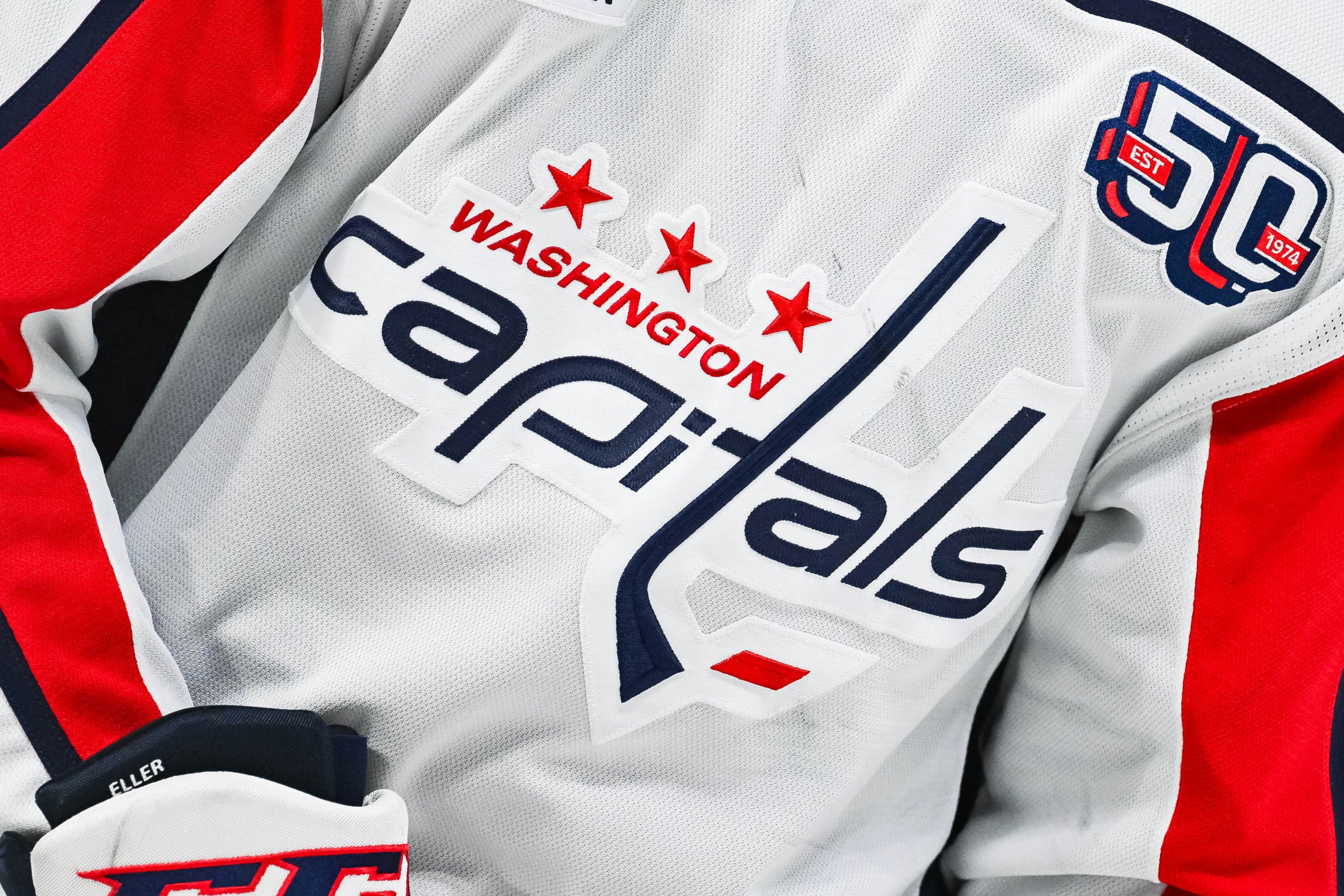
Image: courtesy of Sportsnaut
Capitals Build Future Foundation with Strategic Day 2 Selections in 2026 NHL Draft
After making a significant move in the first round to secure two-way center Oliver Suvanto, the Washington Capitals continued to bolster their prospect pool on Day 2 of the 2026 NHL Draft, adding three more young players: Tyus Sparks, Brian McFadden, and Logan Stuart. These selections round out a draft class that appears focused on a blend of defensive reliability and potential offensive upside, setting the stage for the team's long-term development strategy.
Outlook
Background
The Washington Capitals entered the 2026 NHL Draft with two first-round picks, originally ranked 16th and 18th. However, the team actively managed its draft capital. They traded away their 16th overall pick to the St. Louis Blues. Later in the first round, the Capitals executed another trade, acquiring the 18th overall selection from the Anaheim Ducks. With that pick, they selected Oliver Suvanto, a powerful two-way center. Analysts, including Chris Peters of FloHockey, described Suvanto as a player who makes things difficult for opposing teams, possessing strong defensive acumen, physicality, and a high compete level, alongside glimpses of offensive skill and hockey sense. Despite the team's stated desire for 'high-end offensive talent,' the choice of Suvanto suggests a willingness to prioritize a well-rounded, impactful player who can contribute at both ends of the ice. The Day 2 additions of Sparks, McFadden, and Stuart followed this strategic first-round move, indicating a broader plan to add depth and specific skill sets to the organization.
Precedents
The second day of the NHL Draft, encompassing Rounds 2 through 7, is often where teams identify players who may not be immediate impact talents but possess significant long-term potential. Historically, many successful NHL careers have started as Day 2 picks, with scouts looking for specific attributes that can be developed over several years. These later rounds are crucial for building organizational depth, unearthing hidden gems, and finding players who fit a team's specific system or culture. Teams often prioritize different types of players on Day 2 compared to the first round, sometimes focusing on players with raw talent who need more polish, or those with specific physical tools or hockey sense that can be molded. The success of a draft class is rarely judged solely on its first-round pick; the ability to find contributors in the middle and late rounds often defines a franchise's sustained competitiveness. This approach allows teams to take more calculated risks on players who might be slightly older, from less traditional hockey markets, or those who have had recent growth spurts or skill improvements.
For a team like the Washington Capitals, a strong draft class is foundational to maintaining competitiveness and ensuring a smooth transition as veteran players age or move on. The draft represents the primary pipeline for fresh talent, offering cost-controlled assets that can contribute significantly without the salary cap implications of free agency. By adding a prospect like Oliver Suvanto, who projects as a reliable two-way center, the Capitals address a critical position with a player who could become a cornerstone for years. The Day 2 selections, while less heralded immediately, are equally vital. These players fill out the minor league system, creating internal competition and providing a pool of talent ready to step into NHL roles when injuries occur or as they develop. A successful draft minimizes the need to acquire talent through trades or expensive free-agent signings, allowing the team to allocate resources more efficiently. Ultimately, how these young players develop will directly influence the Capitals' ability to contend for championships in the latter half of the decade.
Scenarios
AnalysisOne possible outcome is that Oliver Suvanto develops into a top-six center for the Capitals, anchoring a line with his defensive prowess and contributing offensively. Given his profile, he could become a highly effective shutdown center capable of playing against opposing teams' top lines. The Day 2 picks — Tyus Sparks, Brian McFadden, and Logan Stuart — could develop into valuable depth players, potentially filling roles on the third or fourth lines, or serving as reliable defensemen or goaltenders within the next three to five years. This scenario would reflect a successful draft that provides the Capitals with both core talent and crucial role players.
Alternatively, these prospects may take longer to develop than anticipated, or some may not reach the NHL level at all. Development curves are rarely linear, and some players, particularly those drafted in later rounds, face significant challenges transitioning to professional hockey. Suvanto, while highly touted, could face a steep learning curve adapting to the speed and physicality of the professional game. The Day 2 picks might spend extended periods in the minor leagues or find their paths to the NHL blocked by other prospects or veterans. In this scenario, the Capitals might need to rely more heavily on free agency or trades to fill roster spots, potentially impacting their long-term financial flexibility and overall team building strategy.
Timeline
Frequently Asked Questions
Discussion
Be the first to share your thoughts.