
Drivers can expect continued downward pressure on gasoline prices in the near term, particularly if global crude oil supplies remain stable and geopolitical tensions around key shipping routes do not escalate. The reopening of the Strait of Hormuz, a critical chokepoint for oil transport, has already contributed to recent price drops. However, the full impact of these changes takes time to filter down to the pump, often lagging crude oil movements by several weeks. Any potential federal gas tax suspension, while politically appealing, is likely to offer limited, temporary relief and its implementation is far from certain.
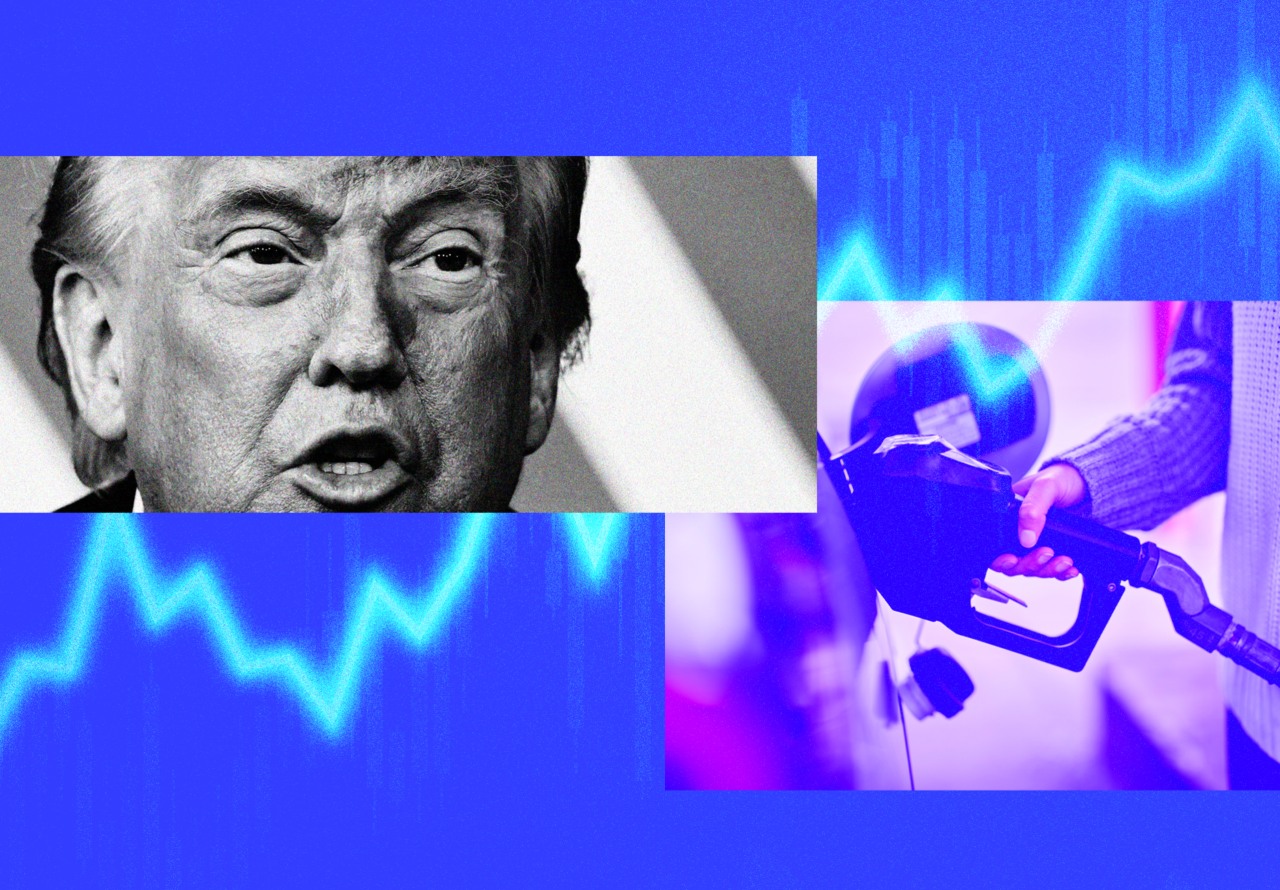
Image: courtesy of Market Watch
Gas Prices Edge Down, But Not Fast Enough For Trump: What Drivers Can Expect Next
National average gasoline prices have seen a significant decline in late June, moving towards levels not seen since March, following a period of sharp increases. This relief comes as crude oil prices remain below $100 per barrel and tanker traffic resumes through the crucial Strait of Hormuz. Despite the recent drops, the pace of reduction has drawn criticism from figures like Donald Trump, who has proposed suspending the federal gas tax to provide quicker relief to drivers.
Outlook
Background
US gasoline prices have seen a notable shift in recent weeks. After surging by more than a dollar a gallon since late February — a period marked by the US-Israel war and its ripple effects — the national average for regular gasoline began to cool. On June 4, the average stood at $4.24 per gallon, according to AAA, marking the second straight week of decline. By late June, prices had extended their decline, moving towards $2.80 per gallon, a level last observed in March.
This recent downward trend is largely attributed to crude oil prices remaining below $100 per barrel and, crucially, the resumption of oil exports from the Middle East. Tanker tracking data confirmed that crude carriers are once again moving through the Strait of Hormuz. This follows diplomatic progress and a preliminary agreement between the US and Iran, which encouraged both sides to ease restrictions on shipping.
Politically, the pace of price reduction has become a flashpoint. Donald Trump has publicly criticized oil companies for not passing on savings to consumers quickly enough. He has proposed suspending the federal gas tax, an 18.4-cent per gallon levy, as a direct measure to alleviate pressure on drivers. Beyond this proposal, his administration has also taken other steps, including draining oil from America's strategic stockpile at a record pace, waiving some shipping restrictions, and easing sanctions on Russia and Venezuela.
However, the effectiveness of a federal gas tax suspension is a subject of debate. Vice President Kamala Harris, for instance, has expressed skepticism, suggesting that motorists might expect a significant immediate drop that would not materialize due to market dynamics and price volatility. Indeed, some high-cost states, such as Alaska, Hawaii, Nevada, Oregon, and Washington, continue to see average prices at or near $5 per gallon, with California nearing $6 per gallon, indicating that local market conditions and state taxes also play a substantial role.
Precedents
Historically, gasoline prices at the pump rarely track crude oil prices in real-time. There is a well-documented lag, often several weeks, between changes in the wholesale price of crude and the retail price consumers pay. This delay is due to the time it takes for new, cheaper (or more expensive) crude to be refined, transported, and sold through the supply chain. Refining costs, distribution networks, local demand, and retail margins all influence the final price.
Presidential efforts to influence gas prices have a mixed record. Releasing oil from the Strategic Petroleum Reserve (SPR) can offer temporary relief by increasing supply, but its long-term impact is often limited by global market forces. Similarly, easing sanctions on oil-producing nations like Russia or Venezuela can increase global supply, but the geopolitical complexities involved mean these measures are often temporary or subject to reversal.
The idea of suspending the federal gas tax is not new. It has been floated by administrations during past periods of high fuel costs. While it would, in theory, reduce the price by 18.4 cents per gallon, market analysts often argue that a significant portion of such a tax cut can be absorbed by refiners or retailers, rather than being fully passed on to consumers. Furthermore, the impact is often temporary, as market prices tend to adjust around the lower tax base. The efficacy of such a move is also diluted by the fact that state and local taxes, which vary widely, often constitute a larger portion of the overall tax burden on gasoline.
Geopolitical events, particularly those affecting major oil-producing regions or shipping lanes like the Strait of Hormuz, have consistently been the most significant drivers of sudden and dramatic shifts in crude oil and, consequently, gasoline prices. Any resolution or easing of tensions in such areas typically leads to price stabilization or decline, while escalations cause spikes.
The trajectory of gas prices carries significant weight for the American economy and political landscape. For consumers, lower fuel costs mean more disposable income, potentially boosting retail spending and other sectors of the economy. High prices, conversely, act as a de facto tax, squeezing household budgets, particularly for those with long commutes or dependent on personal vehicles for work. This directly impacts consumer confidence and can contribute to broader inflationary pressures.
Politically, gas prices are a highly visible metric of economic well-being and often become a central theme in national discourse. A president's perceived ability to influence these prices can affect public approval and electoral outcomes, even if their actual levers of control are limited. The current criticism from Donald Trump underscores how quickly fuel costs can become a political liability, forcing administrations to demonstrate action, even if the market mechanisms are complex and slow-moving.
For the energy industry, the balance between crude oil prices, refining margins, and retail competition dictates profitability. Political pressure to lower prices faster can strain relationships between government and energy companies, potentially impacting investment decisions and future supply. The reopening of the Strait of Hormuz is also a crucial indicator of global stability, signaling a reduction in risk premiums for oil shipments and a more predictable supply chain, which benefits both producers and consumers worldwide.
Scenarios
AnalysisSeveral scenarios could unfold for gas prices in the coming weeks and months:
1. Continued Gradual Decline: With the Strait of Hormuz reportedly reopened and crude oil prices stabilized below $100 per barrel, the current trend of declining gasoline prices is likely to continue. This could see the national average potentially settling at or even slightly below the $2.80 per gallon mark, assuming no new geopolitical shocks or significant shifts in global demand. This outcome is supported by the observed market dynamics and the easing of supply constraints.
2. Limited Impact from Federal Tax Suspension: If the federal gas tax of 18.4 cents per gallon is indeed suspended, it is likely to offer some immediate, albeit modest, relief at the pump. However, historical precedents suggest that the full 18.4 cents may not be passed directly to consumers. Instead, some portion could be absorbed by various players in the supply chain, and the effect might be short-lived as market prices adjust. The political benefit might outweigh the immediate economic impact for drivers.
3. Renewed Volatility from Geopolitical Events: The stability in the Middle East, which allowed for the reopening of the Strait of Hormuz, remains fragile. Any renewed escalation in the US-Israel war, tensions with Iran, or other regional conflicts could quickly disrupt oil supplies, send crude prices soaring again, and consequently reverse the current downward trend in gasoline prices. This would put immediate upward pressure on pump prices, potentially negating any relief gained.
4. Increased Pressure on Oil Companies: Facing political scrutiny and public frustration, oil companies might come under increased pressure to demonstrate that they are actively passing on crude oil savings to consumers more quickly. This could manifest as public statements, faster price adjustments at the pump, or even regulatory inquiries into pricing practices, though direct government intervention in retail pricing is generally rare in the US.
Timeline
2026-02-28
Gas Prices Begin Sharp Increase
National average gas prices began to rise significantly, increasing by over a dollar per gallon since late February, driven by the US-Israel war and its broader impact on global oil markets.
2026-06-04
National Average Reaches $4.24
The national average for a gallon of regular gasoline dropped to $4.24, marking the second consecutive week of decline, according to AAA.
2026-06-24
Strait of Hormuz Reopens, Prices Decline Further
Tanker tracking data showed crude carriers moving through the Strait of Hormuz again, following diplomatic progress between the US and Iran. US gasoline prices extended their decline toward $2.80 per gallon in late June, revisiting levels last seen in March.
2026-06-24
Trump Proposes Federal Gas Tax Suspension
Donald Trump vowed to suspend the federal gas tax as part of his strategy to reduce pressure on American drivers amidst fluctuating fuel prices.
Frequently Asked Questions
The federal gas tax is a levy imposed by the U.S. government on gasoline sales. It currently stands at 18.4 cents per gallon and is primarily used to fund highway and infrastructure projects.
Discussion
Be the first to share your thoughts.