
Following the confidential filing, more detailed financial disclosures and strategic plans from Oura will become public after the U.S. Securities and Exchange Commission (SEC) completes its review process. The timing of the actual public listing will then depend on both the SEC's approval and broader market conditions. Investors will be looking closely at Oura's growth trajectory, its ability to sustain subscriber numbers for its premium features, and its strategy for competing with diversified tech giants like Apple and Samsung, which also offer health-tracking devices.
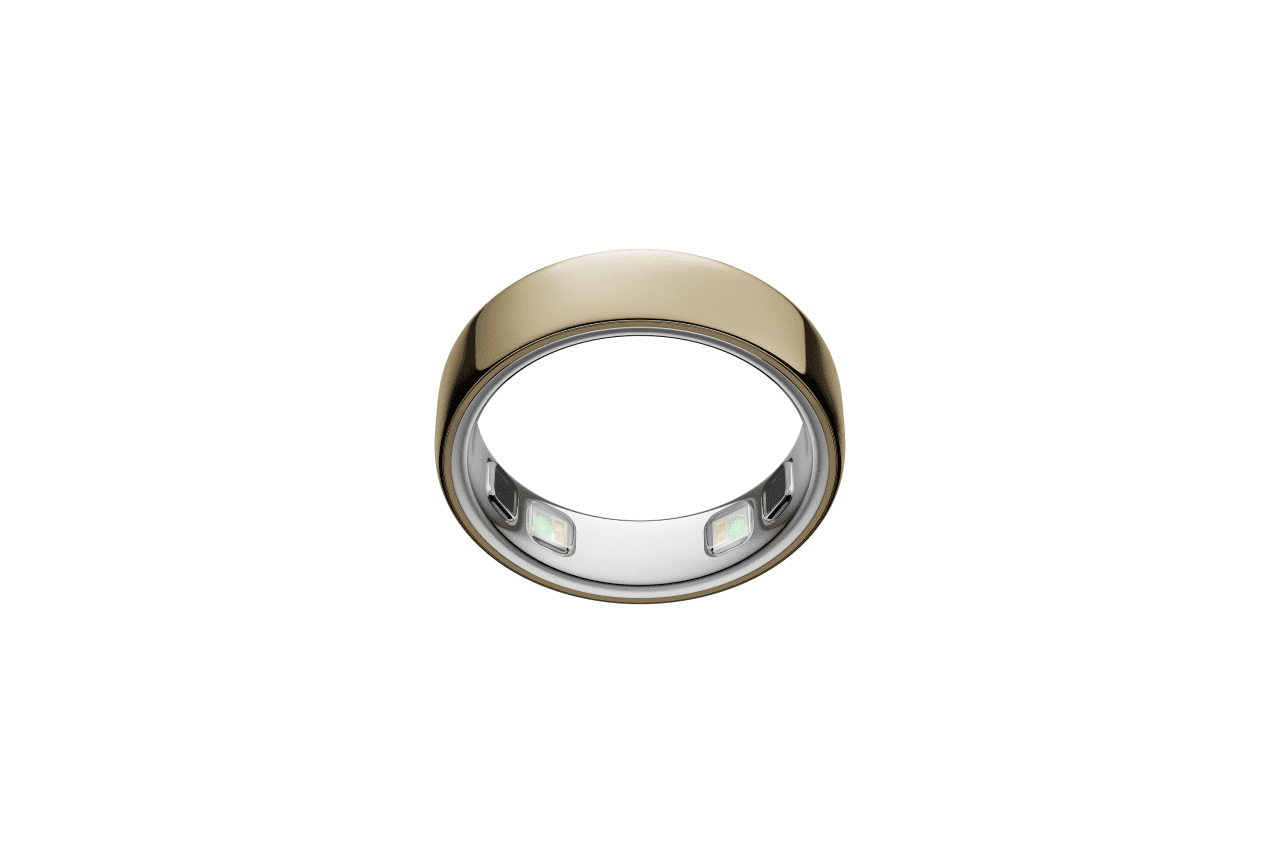
Image: courtesy of Market Watch
Oura's IPO Filing: A Test for Niche Wearables in the Public Market's Health Tech Obsession
Oura, the Finnish maker of popular health-tracking smart rings, confidentially filed for an initial public offering (IPO) on Thursday, September 3, 2026. The move aims for a valuation of $3 billion, capitalizing on significant revenue growth and a growing American appetite for personal health data. This IPO marks a pivotal moment for Oura, positioning it as a significant player in the competitive wearable technology market, while also raising questions about the long-term viability of single-product hardware companies in public markets.
Outlook
Background
Oura has carved out a distinct niche in the crowded wearable technology sector with its smart ring, which tracks a range of health metrics, including sleep stages, heart rate, body temperature, oxygen levels, and heart rate variability (HRV). The company leverages artificial intelligence and biosensors to provide users with insights into their recovery and overall well-being.
Its popularity has surged, with the device reportedly favored by celebrities. This growth is reflected in the company's financial performance. Oura reported $500 million in revenue in 2024 and approximately $1 billion in 2025. For the first nine months of 2026, revenue reached $1.2 billion, up from $697 million during the corresponding period in 2025. The company expects to generate close to $2 billion in revenue by the end of 2026. This financial momentum has fueled its decision to seek a public listing, with the company aiming for a $3 billion valuation.
The confidential IPO filing, announced on Thursday, September 3, 2026, positions Oura at the intersection of wearable technology and preventative healthcare. The offering is part of a broader trend where consumers are increasingly using personal devices to monitor and manage their health, moving beyond basic step counting to more sophisticated biometric analysis.
See also
Precedents
The wearable technology market has seen its share of public offerings and acquisitions, often with mixed results. Fitbit, an early pioneer in fitness trackers, went public in 2015 but eventually sold to Google in 2021 after struggling to compete with broader tech platforms and facing challenges in hardware innovation cycles. The path to profitability and sustained growth for hardware-centric companies in the public market can be difficult, often requiring continuous product development and robust subscription services to maintain revenue.
However, Oura's model, which combines a premium hardware product with a subscription for deeper data insights, mirrors a strategy that has found success in other tech sectors. Companies that successfully integrate hardware, software, and services often achieve higher valuations and more stable revenue streams, as seen with some connected fitness platforms. The challenge for Oura, as for any company in this space, is to demonstrate that its core product offers unique value that justifies its price point and subscription model, particularly as major tech firms continue to integrate advanced health features into their own ecosystems.
Investor sentiment towards tech IPOs also plays a critical role. The broader market for new listings can be cyclical, influenced by economic conditions, interest rates, and overall investor confidence. A successful IPO often hinges not just on a company's individual merits but also on the prevailing appetite for new public companies.
Oura's decision to go public is more than just a financial transaction; it represents a significant test case for the specialized health wearable market. In an industry increasingly dominated by tech behemoths like Apple, Google, and Samsung, Oura has managed to carve out a valuable niche with a focus on detailed biometric data and a discreet form factor. The IPO will determine if Wall Street believes a single-product company, albeit a successful one, can sustain its growth and valuation against such formidable competition.
For consumers, Oura's public debut could influence the future of personal health data. A successful IPO might validate the market for premium, data-rich health trackers, potentially leading to more innovation and specialized devices. Conversely, if Oura faces headwinds, it could signal caution for other niche players in the health tech space, potentially leading to consolidation or a renewed focus on broader, multi-functional wearables.
The offering also highlights the growing importance of preventative healthcare and the monetization of personal health data. As more individuals seek to understand and optimize their well-being, companies like Oura are positioned to collect vast amounts of biometric information. The IPO will shine a light on how investors value this data, the ethical considerations surrounding its use, and the potential for new business models built around health insights and personalized wellness recommendations.
Scenarios
AnalysisOne possible outcome is that Oura's IPO is met with strong investor demand, allowing the company to raise substantial capital. This influx of funds could enable Oura to accelerate research and development, expand its product line beyond the ring, or invest heavily in marketing and international expansion. A successful listing might solidify Oura's position as a leader in the specialized health-tracking segment, potentially attracting further partnerships with healthcare providers or fitness brands, and perhaps even positioning it as an attractive acquisition target for a larger tech or pharmaceutical company seeking a foothold in digital health data.
Alternatively, Oura's public debut could face skepticism from investors concerned about its valuation, the long-term sustainability of its growth, or intense competition from established tech giants. A cautious market reception might result in a lower-than-expected share price or slower post-IPO growth, forcing Oura to re-evaluate its strategy. This could lead to a greater emphasis on its software and data services, a pivot towards more affordable hardware options, or even a more aggressive pursuit of an acquisition by a larger entity if independent public life proves challenging.
A third scenario suggests Oura's IPO could serve as a catalyst for other niche health technology companies considering public offerings. If Oura successfully demonstrates a viable path for a specialized wearable company to thrive publicly, it may encourage a wave of similar listings, increasing competition and innovation across the broader digital health and wellness sector. This could lead to a more fragmented, yet highly specialized, market for health-tracking devices and services.
Timeline
2024
Reported Revenue
Oura reported $500 million in revenue for the full year.
2025
Reported Revenue
Oura's revenue grew to approximately $1 billion for the full year.
June 30, 2025
Nine-Month Revenue
The company generated $697 million in revenue for the nine-month period ending on this date.
June 30, 2026
Nine-Month Revenue Growth
Oura's revenue for the nine months ending on this date reached $1.2 billion, demonstrating significant growth.
2026 (Expected)
Full-Year Revenue Projection
Oura expects its full-year revenue to reach close to $2 billion.
September 3, 2026
Confidential IPO Filing
Oura confidentially filed a draft of its IPO prospectus with the U.S. Securities and Exchange Commission (SEC).
Post-SEC Review
Initial Public Offering
The IPO is expected to take place after the SEC completes its review process, subject to market conditions.
Frequently Asked Questions
Oura is a Finnish technology company best known for its smart rings, which are wearable devices designed to track various health and wellness metrics.
Discussion
Be the first to share your thoughts.