
Investors should prepare for a period of high capital intensity as the company prioritizes physical network deployment over content creation. The internal sales strategy will shift heavily toward cross-selling fiber to existing wireless subscribers, effectively turning the household into a single, high-margin revenue block. The primary goal is to lower the barrier to entry for price-sensitive segments while creating a defensive moat against rivals like T-Mobile and Verizon. Management will face intense scrutiny regarding how these flexible plans impact overall margins and whether they successfully prevent customer migration to lower-cost tiers. Expect the company to emphasize reliability and speed as core differentiators in an increasingly commoditized market. This is a deliberate, conservative play aimed at securing long-term, predictable cash flow rather than chasing the volatile returns of the entertainment industry.
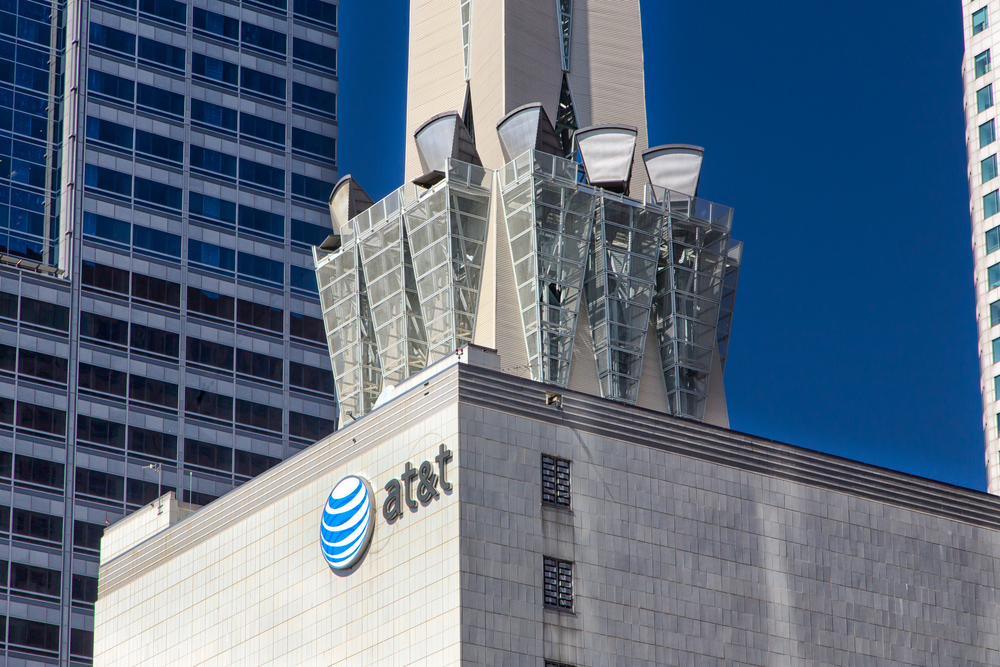
Image: courtesy of Yahoo Finance
AT&T Bets the Farm on Fiber: The Quest for the Converged Household
AT&T is pivoting back to its roots as a utility provider, betting its financial future on an aggressive expansion of fiber-optic infrastructure bundled with flexible wireless plans. By shifting away from failed media ventures, the company seeks to lock in customers through a unified, sticky ecosystem designed to minimize churn and maximize average revenue per user.
Outlook
Background
The company is currently under extreme pressure from institutional investors who have grown weary of stagnant stock performance and the lingering shadow of massive debt. The decision to prioritize infrastructure reflects a broader industry recognition that connectivity is the single most important utility in the modern home. By bundling services, AT&T hopes to solve the fundamental churn issue that haunts the telecommunications sector. Sales teams are being realigned to treat the household as a whole, rather than individual devices. This strategy requires a delicate balance: spending billions on laying glass across diverse terrain while keeping wireless plans competitive enough to retain market share. The company is attempting to transform from a distracted media conglomerate back into the reliable, bedrock utility that defined its past success.
Precedents
This pivot acts as a direct response to the catastrophic failure of the WarnerMedia era, which saddled the balance sheet with debt and diluted management focus. Much like the transition in the early 2000s from long-distance telephony to mobile-first dominance, AT&T is again betting that the value lies in the 'pipe' rather than the content flowing through it. Past attempts at vertical integration into entertainment proved that the company struggled to manage creative assets, a realization that has forced this strategic retreat. The current move mirrors the behavior of other legacy firms shedding non-core assets to focus on core competency. History shows that when a giant firm attempts to pivot back to its utility roots, the process is often painful and marked by significant capital expenditure. The reliance on physical infrastructure is a defensive, long-term play that assumes digital consumption will only continue to rise, making the owner of that infrastructure the ultimate winner.
The shift toward total connectivity represents a fundamental change in how American households will access the digital economy for the next decade. By controlling both the home fiber gateway and the mobile data plan, AT&T is positioning itself as the central gatekeeper of the consumer's digital life. This consolidation has profound implications for data privacy, net neutrality, and the competitive landscape for every other service provider that relies on the internet to reach customers. As internet access increasingly mirrors the necessity of electricity or water, the company controlling the physical conduit gains unprecedented power. Whether this power leads to genuine innovation or merely the extraction of rent from a captive audience remains the central tension of this strategy. We are witnessing the solidification of a utility-based internet model, where consumer convenience comes at the cost of long-term digital autonomy.
Scenarios
Analysis1. Successful Convergence: The company captures a massive, sticky subscriber base, leading to a sustained increase in ARPU and a positive re-rating of the stock as cash flows stabilize. 2. Margin Squeeze: The flexible pricing model attracts too many low-margin users, and high deployment costs combined with inflation lead to a decline in profitability, potentially forcing a dividend cut. 3. Regulatory Stalemate: The government mandates expensive rural expansion that the balance sheet cannot support, leading to a public clash with regulators and increased market volatility.
Timeline
Frequently Asked Questions
Discussion
Be the first to share your thoughts.